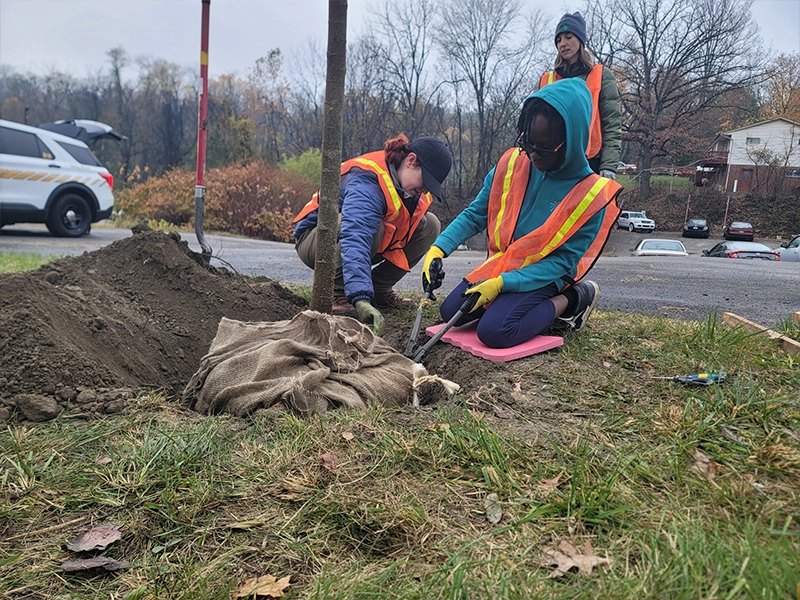
Importance of Urban Trees in Pittsburgh
Pittsburgh’s urban forest provides critical benefits to both the environment and its residents. Mature shade trees help lower city temperatures in summer, filter air pollutants, and manage stormwater by absorbing rainfall. The city’s impressive tree canopy covers about 42 percent of its surface, demonstrating a strong commitment to green spaces and neighborhood livability. Caring for these living assets is key to ensuring ongoing cleaner air, protection from floods, and a welcoming atmosphere for everyone who lives or works in Pittsburgh.
However, effective tree care can be technically complex, often requiring more than just occasional watering or pruning. Knowing when to call in an expert is just as important as your own efforts. For those seeking expert help, licensed and insured tree service in Pittsburgh, PA, is available from Tripoli Tree Care, a trusted provider with years of hands-on experience in urban forestry in the greater Pittsburgh area. The company has built a reputation for reliability, high safety standards, and in-depth local knowledge of regional tree species, diseases, and maintenance best practices. Whether you need tree removal, routine pruning, emergency storm cleanup, or plant healthcare advice, Tripoli Tree Care serves homeowners and businesses throughout Pittsburgh and surrounding neighborhoods, always focusing on responsible, eco-friendly solutions.
Essential Tree Care Practices for Homeowners
Taking care of trees on residential property goes well beyond aesthetics. Homeowners who adopt a few simple routines can extend their trees’ lifespans, enhance property value, and help support Pittsburgh’s urban canopy.
- Mulching: Apply a two- to four-inch layer of mulch around the base of the tree, but keep it a few inches away from the trunk. Mulch helps the soil retain moisture, keeps roots cool in summer, and prevents weeds from crowding out young trees.
- Watering: Young and recently planted trees need consistent moisture during dry spells. A helpful rule is about 10 gallons of water per inch of trunk diameter per week. Mature trees may only require extra watering during prolonged droughts.
- Pruning: Regularly remove dead, diseased, or crossing branches to prevent injury and promote healthier new growth. For most tree species, late winter through early spring is the safest time to prune, since trees are dormant and pests are less active.
Proper planting technique is also essential. Dig wide planting holes, backfill with native soil, and avoid planting trees too deeply. Consider native species, which are best adapted to Pittsburgh’s seasonal climate and soil conditions. Proactive planting and care can help minimize the spread of disease and prevent costly storm damage later on. For more detailed tree care guidelines, homeowners can refer to publications from larger organizations such as The Arbor Day Foundation, which provides national best practices tailored for urban environments.
Common Tree Diseases and Pests in Pittsburgh
Trees in Pittsburgh face various biological threats that can compromise their health and stability if left unchecked.
- Emerald Ash Borer: This invasive beetle targets ash trees, with telltale signs such as canopy thinning, bark splitting, and D-shaped exit holes. Infestation often leads to rapid decline.
- Anthracnose: A fungal disease seen most frequently in sycamores and oaks, causing brown spots, shriveled leaves, and early leaf drop. Wet spring weather increases fungal spread.
- Verticillium Wilt: This soil-borne fungus causes wilt and yellowing in maples, elms, and other species. It disrupts the tree’s water flow, leading to branch dieback over months or years.
Inspect your trees each season for changes in foliage color, unusual growth, dieback, or visible insect infestations. Early detection enables targeted intervention and can sometimes prevent mature trees from being removed.
Seasonal Tree Maintenance Tips
Spring
Assess your trees for any damage from ice or wind, then refresh mulch in a wide ring to conserve soil moisture. As temperatures warm, a regular watering schedule can help newly-planted or young trees get established. Watch for early signs of fungal disease and treat promptly.
Summer
Dry periods can stress even mature trees, so monitor soil moisture regularly. Inspect for insect pests, such as aphids, scale, or borers. Pruning should be done only to remove hazardous limbs, since heavy pruning during summer can expose wounds to pests and diseases.
Fall
Rake up and dispose of leaves, especially those affected by disease, to limit the spread of pathogens for the following year. Early fall is a good planting season, giving roots time to settle before cold weather. Gradually reduce watering as trees go dormant.
Winter
Prune deciduous trees when they are dormant, as this reduces stress and allows you to see the tree’s structure clearly. Protect young trunks with guards or wraps to prevent sunscald and rodent damage during harsh winter conditions.
Engaging with Local Tree Care Resources
Pittsburgh is home to several trusted organizations dedicated to urban forestry support:
- Tree Pittsburgh: A non-profit group offering education, volunteer planting days, and hands-on resources to help residents care for urban trees.
- City of Pittsburgh Forestry Division: Provides public information on tree planting permits, pest monitoring, removal guidelines, and maintenance policies for city-owned trees.
- Western Pennsylvania Conservancy: Works to restore green spaces and conduct large-scale community tree planting efforts throughout the region.
If you have specific concerns about tree health, certified arborists, such as those from Tripoli Tree Care, can offer tailored advice and in-depth diagnostic services. Nationally, resources like The International Society of Arboriculture can help you find qualified professionals in your area and answer more advanced questions about tree biology and best practices.
Frequently Asked Questions
How can I determine if my tree is healthy?
A healthy tree has whole green leaves or needles; steady annual growth; and no visible wounds, cracks, or large infestations. Discolored or falling leaves, hollow areas, or fungal growths may signal a problem. When in doubt, consult an arborist for an assessment.
When is the best time to plant a tree in Pittsburgh?
Early fall is usually the best, thanks to moderate temperatures and increased rainfall, which help new trees root securely before winter dormancy.
Are there any local regulations regarding tree planting on private property?
Most private tree planting is unregulated, but it’s always wise to check for local ordinances, select native species, and avoid planting near utility lines. Always call 811 before you dig to prevent underground hazards.
As a Pittsburgh homeowner, your role in caring for urban trees not only keeps your property safe and beautiful but also remains vital for the city’s long-term sustainability. Proactive care, awareness of risks, and collaboration with qualified professionals will ensure Pittsburgh’s tree canopy thrives for years to come.
Keep an eye for more latest news & updates on Tribune!