Learning how to respond effectively in aquatic emergencies is a critical skill, especially in environments where water activities are common. A lifesaving course in swimming equips individuals with the knowledge, techniques, and confidence needed to prevent accidents and respond appropriately when they occur. These courses are designed not only for aspiring lifeguards but also for swimmers, instructors, and anyone who wants to enhance water safety awareness.
A lifesaving course typically begins with foundational swimming skills. Participants are expected to demonstrate competence in various strokes, endurance swimming, and basic water survival techniques. This prerequisite ensures that learners are comfortable in the water before progressing to more advanced rescue methods. Strong swimming ability allows individuals to focus on rescue execution without compromising their own safety.
As the course progresses, emphasis shifts toward recognizing risks and preventing incidents. Participants are trained to identify potential hazards such as strong currents, deep water zones, or overcrowded swimming areas. They learn how to assess situations quickly and take preventive measures, such as advising swimmers, setting boundaries, or enforcing safety rules. Prevention remains a core principle, as avoiding accidents is always preferable to responding to them.
Core Rescue Techniques and Emergency Response
Rescue techniques form the central component of any lifesaving course. Trainees are introduced to a range of methods, including reaching assists, throwing aids, and non-contact rescues. These approaches prioritise the safety of the rescuer by minimising direct physical contact with the victim. In situations where contact is unavoidable, participants learn safe towing techniques, defensive approaches, and escape methods to handle panicked individuals in the water.
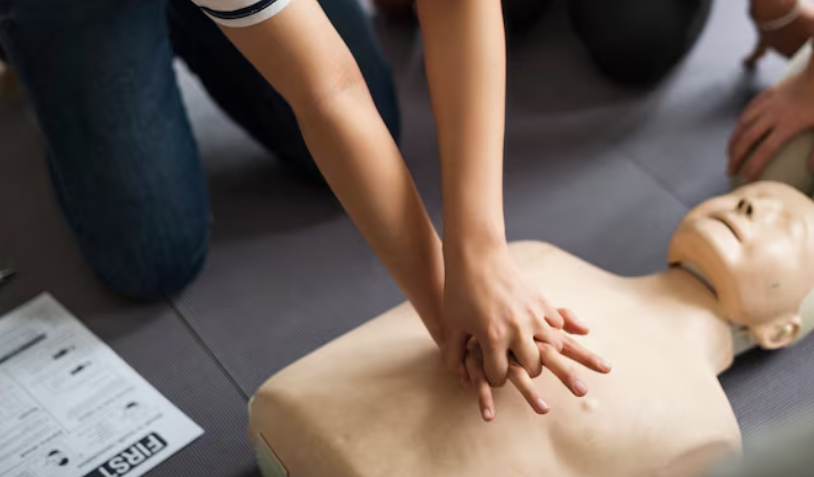
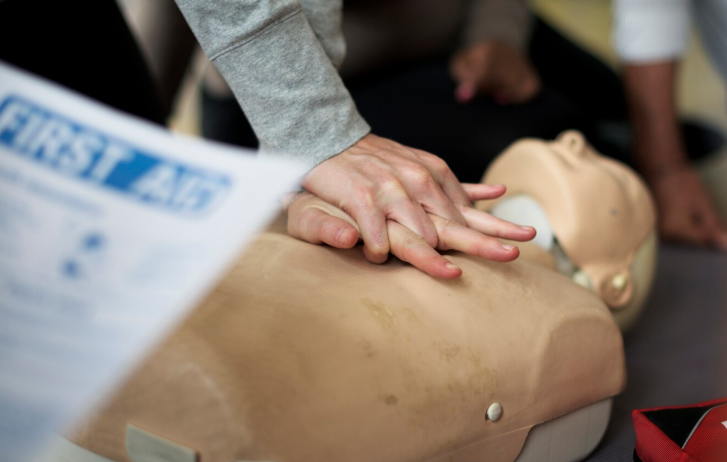
In addition to in-water skills, lifesaving courses incorporate essential first aid and resuscitation training. Participants are taught how to perform cardiopulmonary resuscitation (CPR), manage choking incidents, and provide basic emergency care until professional help arrives. Understanding how to respond during the critical moments following a rescue can significantly improve survival outcomes. This integration of medical response with aquatic skills makes the training comprehensive and practical.
Communication and teamwork are also emphasised throughout the training. Lifesaving often involves coordination with other responders, bystanders, or emergency services. Participants practice clear communication, role delegation, and crowd management to ensure efficient and organised rescue efforts. These skills are crucial in high-pressure situations where clarity and cooperation can make a difference.
At the midpoint of training, participants often transition from basic rescue awareness to more structured and professional instruction pathways. Those seeking to deepen their expertise or pursue a career in aquatic safety may consider enrolling in a lifesaving course that focuses on instructor-level competencies. Such programs prepare individuals to teach lifesaving skills, assess trainees, and uphold safety standards within swimming environments. This step represents a progression from learner to leader, expanding both responsibility and impact.
Physical fitness is another important aspect of lifesaving training. Rescues can be physically demanding, requiring strength, endurance, and agility. Courses often include conditioning exercises to improve stamina and ensure that participants can perform rescues effectively without fatigue. Maintaining physical readiness is essential for both personal safety and successful intervention.
Beyond technical skills, lifesaving courses foster a strong sense of responsibility and awareness. Participants develop a mindset centred on vigilance, preparedness, and proactive safety. This mindset extends beyond formal training environments and influences everyday behaviour around water, whether at beaches, pools, or recreational facilities.
Benefits and Real-World Impact of Lifesaving Training
The benefits of completing a lifesaving course extend to various personal and professional contexts. For individuals working in aquatic facilities, such certification enhances employability and credibility. For recreational swimmers, it provides peace of mind and the ability to assist others if needed. Communities also benefit from having more trained individuals capable of responding to emergencies, thereby creating safer environments for everyone.
Moreover, lifesaving education contributes to reducing drowning incidents, which remain a significant global concern. By equipping more individuals with the necessary skills and awareness, these courses play a role in promoting public safety and saving lives. The ripple effect of training extends beyond the individual, impacting families, communities, and public spaces.
Conclusion
A lifesaving course in swimming provides essential training that combines practical skills, safety awareness, and emergency response techniques. It prepares individuals to act responsibly and effectively in critical situations while emphasising prevention as the first line of defense. Whether for personal growth or professional development, completing such a course is a valuable step toward creating safer aquatic environments and protecting lives.