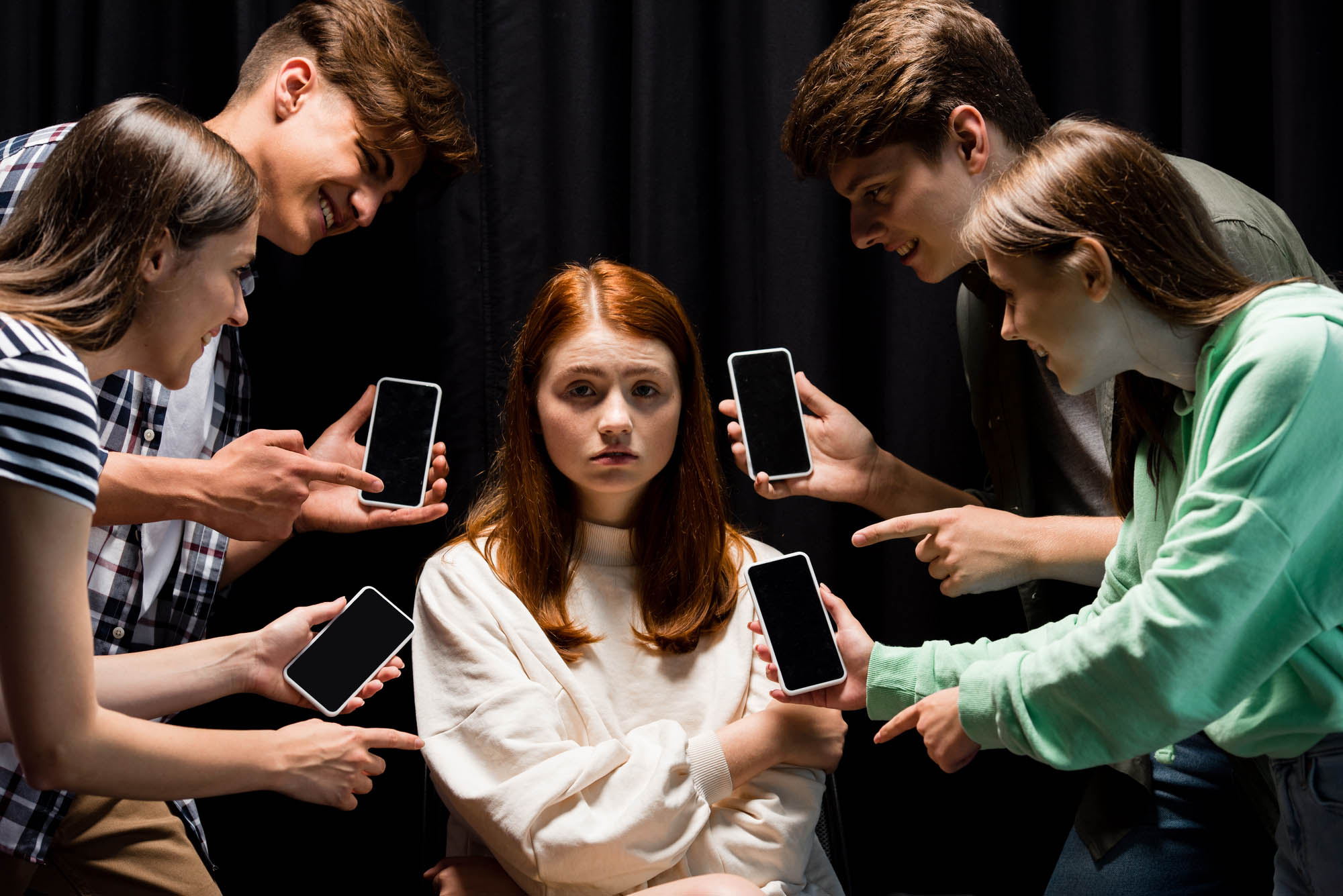
Teen substance use has always had a social side. What’s changed is that the “social” part now lives in everyone’s pocket, all day, every day. A teen can be sitting at the kitchen table doing homework and still feel like they’re at the party, still hearing the jokes, still watching the clips where alcohol looks like a personality and vaping looks like a harmless habit. And because the content is packaged as entertainment, it slips past a lot of the normal warning bells.
That’s why this topic feels so slippery for parents and educators. You can do everything “right” and still watch a trend normalize behavior you’d never shrug off in real life. It’s not that social media singlehandedly creates addiction. It’s that it can make risky choices look ordinary, even smart, even inevitable. For adolescents who are already stressed, lonely, or desperate to belong, that’s a powerful push.
The new normal is algorithmic, not accidental
In the past, a teen might have been exposed to substances through an older sibling, a friend group, or a specific party scene. Now, exposure can happen through a few taps and a curious scroll. Platforms don’t just show teens what their friends post. They show what keeps them watching. That means a kid who pauses on a “funny” drinking clip or a vape trick video can get served more of the same, fast. Within a week, their feed can make it feel like everyone their age is doing it.
This is where normalization sneaks in. Nobody has to explicitly say, “Go try this.” The message is implied through repetition. Drinking becomes a punchline. Getting high becomes “relatable.” Nicotine becomes a stress tool, the way coffee gets treated for adults. When that vibe is constant, it starts to shift a teen’s internal baseline for what’s normal and what’s risky.
Adults often underestimate how much that baseline matters. Teens are still building their sense of identity and belonging. They’re testing roles. They’re scanning for signals. Social media hands them signals in bulk. And the signals are loud.
Peer pressure didn’t disappear; it got upgraded
People talk about peer pressure as if it’s always direct. Someone offers a drink, someone dares you, and someone laughs if you refuse. But online pressure is often indirect, and that can make it harder to spot.
A teen might feel pressure simply from seeing who gets attention. They notice the comments on the “wild weekend” posts. They notice how the party kid becomes the main character. They notice how sobriety is treated as either boring or only something you do after a disaster. Even if no one says a word to them, they’re learning the social rules of the internet, and those rules can drift toward risk.
This pressure gets even stronger when a teen’s real-life friendships are shaky. If they’re new at school, or feeling insecure, or dealing with rejection, the feed can act like a shortcut to belonging. The logic becomes simple, almost too simple: do what people celebrate, and you’ll be accepted. And a teen doesn’t need to be “reckless” for that logic to work on them. They just need to be human.
Influencers and the soft sell of “it’s not a big deal”
Influencer culture adds another layer. Not every influencer promotes substance use, and plenty speak openly about recovery and mental health. But many creators still present alcohol and drug-adjacent content as lifestyle decoration. It’s in the background of “get ready with me” videos. It’s part of the party montage. It’s in the jokes, the storytimes, the casual confessions that sound like they’re meant to be honest, but also keep the audience hooked.
And because influencers can feel like friends, teens absorb their cues differently than they absorb a commercial. That’s the parasocial piece. A teen can feel emotionally close to someone who doesn’t know they exist, and that closeness creates trust. So when that person shrugs off heavy drinking or makes vaping look like a harmless stress habit, it lands like a recommendation even when it isn’t framed as one.
There’s also the “micro-influencer” factor. Teens often trust smaller creators more than celebrities. Smaller accounts feel real, like someone from school but cooler. That relatability can make risky behavior look even more normal because it doesn’t feel staged. It feels like real life.
A quick detour: why stress makes this worse
It’s tempting to frame teen substance use as rebellion. Sometimes it is. But a lot of the time it’s regulation. It’s a teen trying to manage emotions with the tools they have.
Now add the social media era stress load. Many teens are sleeping less, comparing themselves more, and carrying a constant mental hum from notifications, group chats, and pressure to perform socially. That pressure isn’t only about popularity. It’s about being “on.” Being responsive. Being funny. Being desirable. Being acceptable. It’s exhausting.
So substances can start to look like a solution. Alcohol becomes social armor. Nicotine becomes a quick calm button. Cannabis becomes a way to turn down the volume in their head. Stimulants can turn into a performance crutch when school feels like a nonstop contest. None of that makes substance use safe, but it makes it understandable. And if you want to help a teen, you have to understand the function the substance is serving.
That’s also why scare tactics fail so often. If a teen is using to cope, fear doesn’t remove the need. It just teaches them to hide.
The signs are often behavioral before they’re physical
A lot of parents look for obvious red flags: slurred speech, smell of alcohol, glassy eyes. Those can happen, but the earlier signs are usually changes in patterns. Mood shifts that don’t bounce back. A new level of secrecy. A sudden drop in motivation. A teen who used to be steady starts looking like they’re constantly irritated or constantly checked out.
Educators may notice it first because school is where routines and performance show cracks. Missing assignments. Falling asleep in class. A student who used to participate goes quiet. Friend groups are shifting fast. Conflicts that seem out of character.
One sign doesn’t prove substance use. Teens can be moody for a hundred reasons. But a cluster of changes over time deserves attention, especially if the teen also seems isolated or overwhelmed.
How to talk about it without turning it into a fight
The conversation matters more than the perfect words. Teens can feel judgment the way you feel heat from a stove. If they sense you’re about to turn it into a lecture or a punishment marathon, they’ll shut down. That doesn’t mean you ignore boundaries. It means you lead with curiosity and clarity instead of accusation.
Start with what you’ve observed, not what you fear. Tell them you’re worried because you care, not because you want control. Ask what’s been hard lately, and then stay quiet long enough for an answer. That silence can feel awkward, but it’s often where honesty shows up.
And if they deny it, try not to treat the denial as the end. You can keep the door open. You can say, “Ok. I’m still concerned, and I’m going to keep checking in because I love you.” That’s not dramatic. That’s steady.
For educators, the tone is similar but the frame changes. You’re not a parent, but you can still be a safe adult. A student who won’t tell mom might tell a counselor or a coach. If a teen believes an adult will respond with support instead of humiliation, they’re more likely to speak up.
What parents and schools can do that actually shifts outcomes
A lot of prevention messaging focuses on “just say no.” Teens hear that and roll their eyes because it doesn’t match their environment. A more useful approach is teaching them how influence works and giving them real coping tools that compete with substances.
Media literacy is part of health now. Teens need to understand that content is edited, staged, monetized, and optimized for attention. They need to recognize how “everyone does it” is often a trick created by algorithms and selective posting. When a teen learns to question the feed, they get a little space back in their own mind.
Structure helps too, especially around sleep. Sleep isn’t a motivational poster topic, but it’s huge for impulse control and mood regulation. Phones in bedrooms often wreck sleep, and wrecked sleep makes risky choices easier. Framing tech boundaries as mental health support, not punishment, can reduce pushback. It becomes, “We’re protecting your brain,” not “We don’t trust you.”
And then there’s support beyond the household. If substance use is escalating or tied to anxiety, depression, trauma, or significant behavior changes, professional care is often necessary. Some families seek regional options like addiction treatment in PA when local support isn’t enough or when they need specialized adolescent-informed care.
In more serious cases, a structured environment can be the difference between repeated relapse and a real reset. Programs such as Residential Treatment can offer supervision, therapy, and stability when home life can’t reliably support recovery.
Other families explore comprehensive outpatient and inpatient options through providers like Addiction Rehab, especially when they need dual-focus support for both substance use and mental health concerns.
And when you’re trying to understand what level of care makes sense, resources categorized as Substance Abuse Treatment can help you get oriented and find the next reasonable step without guesswork.
When it’s more than experimentation
People like the word “phase” because it sounds temporary. Sometimes it is. But there are clear moments when you stop hoping it passes and start acting quickly.
If a teen is using alone, using to cope with emotional pain, lying frequently, stealing, mixing substances, or showing signs of withdrawal or intense cravings, it’s not a casual experiment anymore. If there are overdose risks, dangerous driving, or any talk of self-harm, you treat it as urgent. Not because you want to panic, but because you want the teen alive and safe enough to recover.
The hardest part is emotional. Parents and educators don’t want to believe it’s serious. And honestly, nobody wants to be the person who “overreacted.” But the cost of waiting can be much higher than the discomfort of stepping in early.
You can’t control the internet, but you can change the odds
You can’t delete every risky trend. You can’t block every account. And if you turn the home into a surveillance state, you’ll probably lose trust along the way.
But you can build something stronger than the feed. You can build a relationship where your teen tells you the truth sooner. You can make home and school places where stress gets handled, not ignored. You can teach a teen to spot manipulation and social proof, and to recognize when a trend is just marketing in a hoodie. You can make sure they have real support when life gets heavy.
That’s the part that doesn’t go viral, but it works. A steady adult, clear boundaries, honest conversations, and early help when needed. It’s not flashy. It’s not a perfect fix. But it’s how you keep a teen from sliding from “everyone’s doing it” to “i can’t stop.”
Stay in touch to get more updates & news on Tribune!