Living in a small home or apartment doesn’t mean you have to feel cramped, points out Next Step Realty Nampa. With the right home improvement ideas, even the tiniest room can appear brighter, more open, and far more comfortable. Whether you’re working with a compact bedroom, a cozy living room, or a small kitchen, thoughtful design choices can transform the way your space looks and feels.
The secret isn’t always about knocking down walls or spending thousands on renovations. Often, simple changes in color, lighting, furniture, and organization create the illusion of a much larger home. By making smart improvements, you can maximize every square foot while maintaining style and functionality.Here are some of the most effective home improvement tips that make small spaces feel bigger.
Start with Light Paint Colors
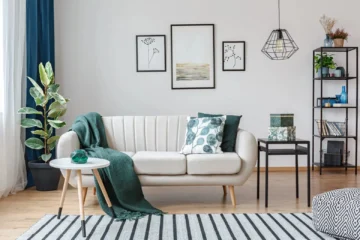
One of the easiest and most affordable ways to open up a room is by choosing lighter paint colors. White, soft gray, beige, cream, and pastel shades reflect natural light instead of absorbing it, making walls appear farther apart.
Dark colors can certainly create drama and warmth, but they often make small spaces feel enclosed. If you love bold colors, consider using them as accent walls or through decorative accessories rather than painting every wall.
Keeping the ceiling white also creates the illusion of higher ceilings, adding to the spacious appearance.
Maximize Natural Light
Natural light instantly makes any room feel larger and more inviting. If your home has windows, avoid blocking them with bulky furniture or heavy curtains.
Instead, choose lightweight curtains in light colors or sheer fabrics that allow sunlight to enter while maintaining privacy. Hanging curtain rods closer to the ceiling and extending them beyond the window frame also makes windows appear larger than they actually are.
Clean windows regularly to allow the maximum amount of light into your home.
Use Mirrors Strategically
Mirrors have long been one of the best design tricks for making small spaces look bigger. They reflect both natural and artificial light while creating the illusion of additional depth.
A large mirror opposite a window doubles the amount of visible light in the room. Floor-length mirrors in bedrooms and entryways also create a sense of openness.
Instead of several small mirrors, consider using one large statement mirror to achieve a cleaner, less cluttered appearance.
Choose Multi-Functional Furniture
When every square foot matters, furniture should do more than one job.
Look for pieces like:
- Storage ottomans
- Beds with built-in drawers
- Foldable dining tables
- Sleeper sofas
- Nesting tables
- Coffee tables with hidden storage
Multi-purpose furniture reduces clutter while eliminating the need for extra cabinets or shelves.
The fewer pieces of furniture you have, the larger your room will appear.
Keep Floors Visible
One common mistake in small homes is using furniture that sits directly on the floor with solid bases.
Furniture with visible legs creates open space underneath, allowing your eyes to travel across more of the floor. This simple visual trick makes rooms feel larger.
Glass coffee tables, acrylic chairs, and floating furniture all help create a more spacious appearance without sacrificing functionality.
Declutter Every Room
Nothing makes a small home feel smaller than unnecessary clutter.
Take time to evaluate everything you own. Donate, recycle, or store items you no longer use.
Keep countertops, tables, and shelves as clear as possible. Organized spaces naturally appear larger because your eyes aren’t distracted by visual clutter.
Simple organization habits can completely transform how your home feels.
Install Floating Shelves
Instead of bulky bookcases, consider floating shelves.
These shelves provide valuable storage while maintaining an open look because they don’t occupy floor space.
Floating shelves work well in:
- Kitchens
- Bathrooms
- Bedrooms
- Home offices
- Living rooms
Arrange decorative items carefully, leaving some empty space between objects to prevent shelves from looking overcrowded.
Use Vertical Space
When floor space is limited, think upward.
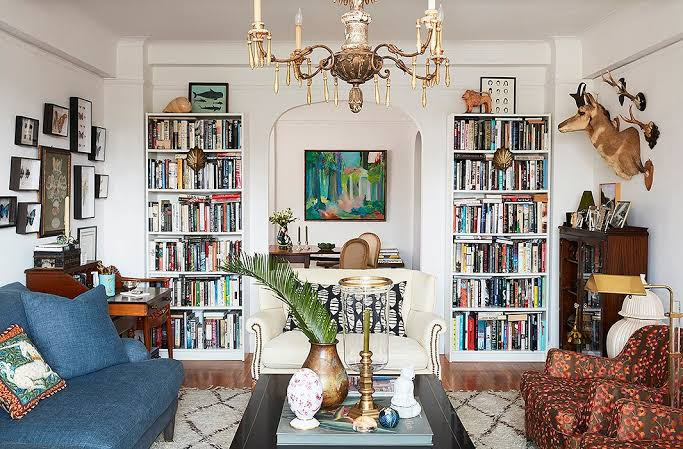
Tall bookshelves, wall-mounted cabinets, hanging plants, and vertical storage solutions make excellent use of unused wall space.
Installing shelves close to the ceiling naturally draws the eye upward, making ceilings appear taller.
This approach is especially effective in apartments where storage is limited.
Keep a Consistent Color Palette
Too many contrasting colors can make a room feel busy and visually smaller.
Instead, stick with a consistent palette throughout your home.
Neutral shades paired with one or two accent colors create a calm, cohesive appearance.
Using similar flooring throughout connected rooms also helps create the illusion of one larger continuous space.
Upgrade Your Lighting
Poor lighting makes even large rooms feel small and gloomy.
Instead of relying on one overhead fixture, layer your lighting.
Use a combination of:
- Ceiling lights
- Floor lamps
- Table lamps
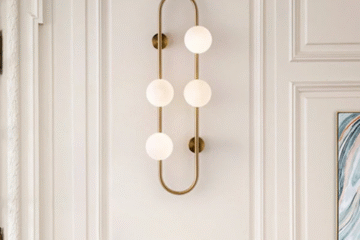
- Wall sconces
- Under-cabinet lighting
Well-lit rooms feel larger because light reaches every corner.
Warm white LED bulbs often provide the most inviting atmosphere.
Replace Bulky Furniture
Oversized sofas and heavy wooden cabinets may be comfortable, but they quickly overwhelm small spaces.
Choose furniture that’s appropriately scaled for your room.
Slim-profile sofas, compact dining sets, and minimalist chairs create better flow while leaving room to move comfortably.
Measure your room carefully before purchasing new furniture to ensure proper proportions.
Create Open Storage
Open shelving often feels lighter than fully enclosed cabinets.
In kitchens, replacing a few upper cabinets with open shelves creates a more spacious look.
Display only neatly organized dishes or decorative pieces to avoid creating visual clutter.
Balance is important—too many exposed items can have the opposite effect.
Use Glass and Transparent Materials
Transparent furniture almost disappears visually.
Glass dining tables, acrylic bar stools, and clear side tables allow light to pass through them, making rooms feel less crowded.
These materials are particularly useful in compact living rooms and dining areas.
Minimize Window Treatments
Heavy drapes can overwhelm a small room.
Instead, choose:
- Roller shades
- Roman blinds
- Sheer curtains
- Light linen drapes
Keeping window treatments simple lets more light enter while maintaining a clean appearance.
If privacy isn’t a concern, leaving windows uncovered creates the brightest possible environment.
Add Built-In Storage
Built-in storage solutions maximize every available inch.
Consider custom shelving around:
- Fireplaces
- Beds
- Desks
- Entertainment centers
- Entryways
Built-ins eliminate wasted gaps while keeping the room organized.
Although they require a larger investment, they significantly improve both storage and appearance.
Define Spaces Without Walls
Open floor plans can sometimes feel disorganized.
Instead of adding walls, define areas using:
- Area rugs
- Lighting
- Furniture placement
- Different paint shades
- Decorative screens
This creates separate functional zones while preserving openness.
For example, a rug beneath your dining table naturally distinguishes the dining area from the living room.
Choose Large Artwork
Surprisingly, one large piece of artwork often makes a room appear bigger than several smaller frames.
Gallery walls can become visually busy in compact spaces.
A single oversized painting creates a clean focal point while reducing visual clutter.
Keep artwork at eye level for the best effect.
Organize Closets Efficiently
Overflowing closets often spill into living spaces.
Install closet organizers, adjustable shelves, hanging baskets, and storage bins to maximize available storage.
Seasonal clothing can be stored under beds or in vacuum storage bags to free up closet space.
The more organized your storage, the less clutter appears throughout your home.
Keep Decorations Simple
Decorating doesn’t mean filling every surface.
Leave breathing room between decorative objects.
Choose a few meaningful pieces instead of displaying dozens of collectibles.
Minimal decorating helps every room feel cleaner, calmer, and more spacious.
Plants, candles, books, and artwork should complement the room rather than overwhelm it.
Use Sliding Doors
Traditional swinging doors require valuable floor space.
Pocket doors, barn doors, or sliding glass doors eliminate the space needed for door clearance.
They’re particularly useful for:
- Bathrooms
- Closets
- Laundry rooms
- Pantries
This simple improvement creates better traffic flow in tight areas.
Make Every Piece Count
In a small home, every item should have a purpose.
Before buying new furniture or decorations, ask yourself:
- Does it serve a function?
- Does it improve the room?
- Will it make the space feel cluttered?
Intentional decorating creates homes that feel both stylish and spacious.
Quality almost always beats quantity when space is limited.
Final Thoughts
Small spaces have enormous potential when designed thoughtfully. The goal isn’t simply to fit more into your home—it’s to create an environment that feels open, comfortable, and enjoyable to live in. By focusing on natural light, smart storage, simple color palettes, and carefully selected furniture, you can dramatically change the appearance of even the smallest room.
Many of these improvements are affordable DIY projects that require little more than planning and creativity. Others, like built-in storage or upgraded lighting, offer long-term value while enhancing your home’s functionality. Whether you’re decorating a studio apartment, a compact townhouse, or simply trying to make one room feel larger, these practical home improvement tips can help you create a space that looks bigger, feels brighter, and works better for everyday living.