Water damage under a sink is a frequent household issue that can cause lingering problems if not addressed promptly and correctly, notes LRES Property Management solutions. This article explains the essential steps on how to fix water damage under sink problems ensuring both immediate action and longer-term prevention. Clear guidance is provided for homeowners and property managers seeking to manage these common repairs efficiently and safely.
Water damage under the sink can develop from a range of causes, including leaking pipes, malfunctioning drain connections, or worn-out seals around fixtures. When left unchecked, persistent moisture fosters mold growth and causes structural deterioration, impacting cabinetry and adjacent materials. For those documenting incidents for insurance purposes, including those working with a public adjuster water damage claim, a thorough assessment is especially critical. Learning how to fix under sink cabinet water damage areas enables you to stop ongoing harm and restore normalcy to your home, while understanding the right process is vital for claim accuracy and future prevention.
Addressing this type of water damage yourself can be manageable with some basic tools and safe work habits, but complex situations may still require professional intervention. Knowing how to fix water damage under sink conditions based on the extent of the issue helps protect both your property and your peace of mind. The guidance below outlines the three core phases: identifying the source, repairing the damage, and taking preventative steps.
Identifying the source of under-sink water damage
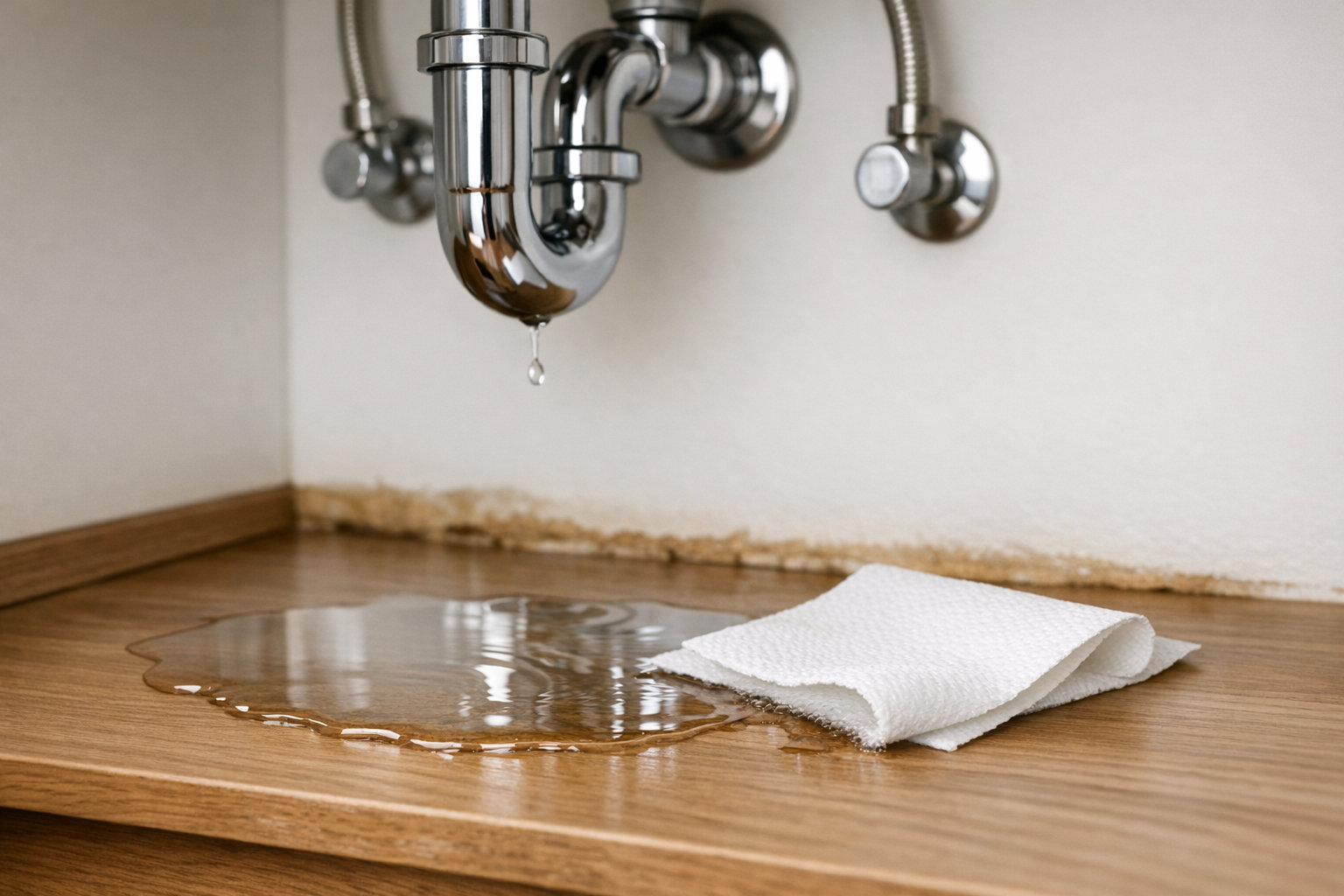
Begin by clearing out everything stored beneath the sink to give full access to pipes, connections, and the cabinet floor. Check for visible leaks when the water is running or pooling, looking carefully around trap joints, supply lines, and seals at the faucet’s base. Even slow drips can accumulate significant moisture damage over time, leading to soft spots, discoloration, or swelling of the wood or laminate surfaces.
Use a flashlight to inspect the back and corners of the under-sink area, searching for water stains, damp insulation, or any musty odors that could signal a hidden or ongoing leak. If you suspect water damage under kitchen sink plumbing but cannot spot an obvious drip, a paper towel wipe-down or a moisture meter can help identify the exact source before you begin repairs. Being thorough at this stage ensures the real issue is resolved, reducing future repair costs and complications.
Repairing and restoring the damaged area
Once the source of the water is identified, shut off the water supply before making repairs. Replace any faulty hoses, tighten loose joints, and reseal gaps around the sink rim or fixtures with waterproof caulk as needed. If cabinet panels or shelving show advanced water damage under sink conditions, such as warping, mold, or delamination, remove and dispose of those sections safely to prevent health risks and the spread of mold spores.
Allow the under-sink area to dry completely before installing new materials. Use a fan or dehumidifier to speed up the process, especially if the water damage is extensive. When the repair focuses on how to fix under sink cabinet water damage thoroughly, use water-resistant materials for better durability. After repairs, keep the area open for a day or two to ensure all residual moisture is eliminated before returning items to the cabinet.
Preventing future water damage under the sink
Prevention begins with periodic checks for leaks and stains beneath the sink, even after repairs are completed. Install a drip tray or moisture detector to alert you to future leaks before they can cause serious problems. If you have a history of water damage under kitchen sink piping, ensure all plumbing fixtures and fittings remain tight and check caulked areas yearly, reapplying sealant as needed to keep joints waterproof.
Good under-sink organization keeps cleaning products or stored items clear of plumbing, making leaks easier to spot and access. If you ever notice recurring pooling or detect a musty odor again, don’t hesitate to re-inspect and address the issue using reliable water damage under sink troubleshooting steps. Consulting resources like guides on water damage under sink can offer further step-by-step instructions or help discern when professional help is warranted. Staying proactive dramatically reduces the risk of repeat damage and protects the structural and financial integrity of your home.
Stay in touch to get more updates & news on Tribune!