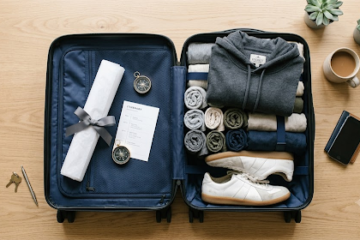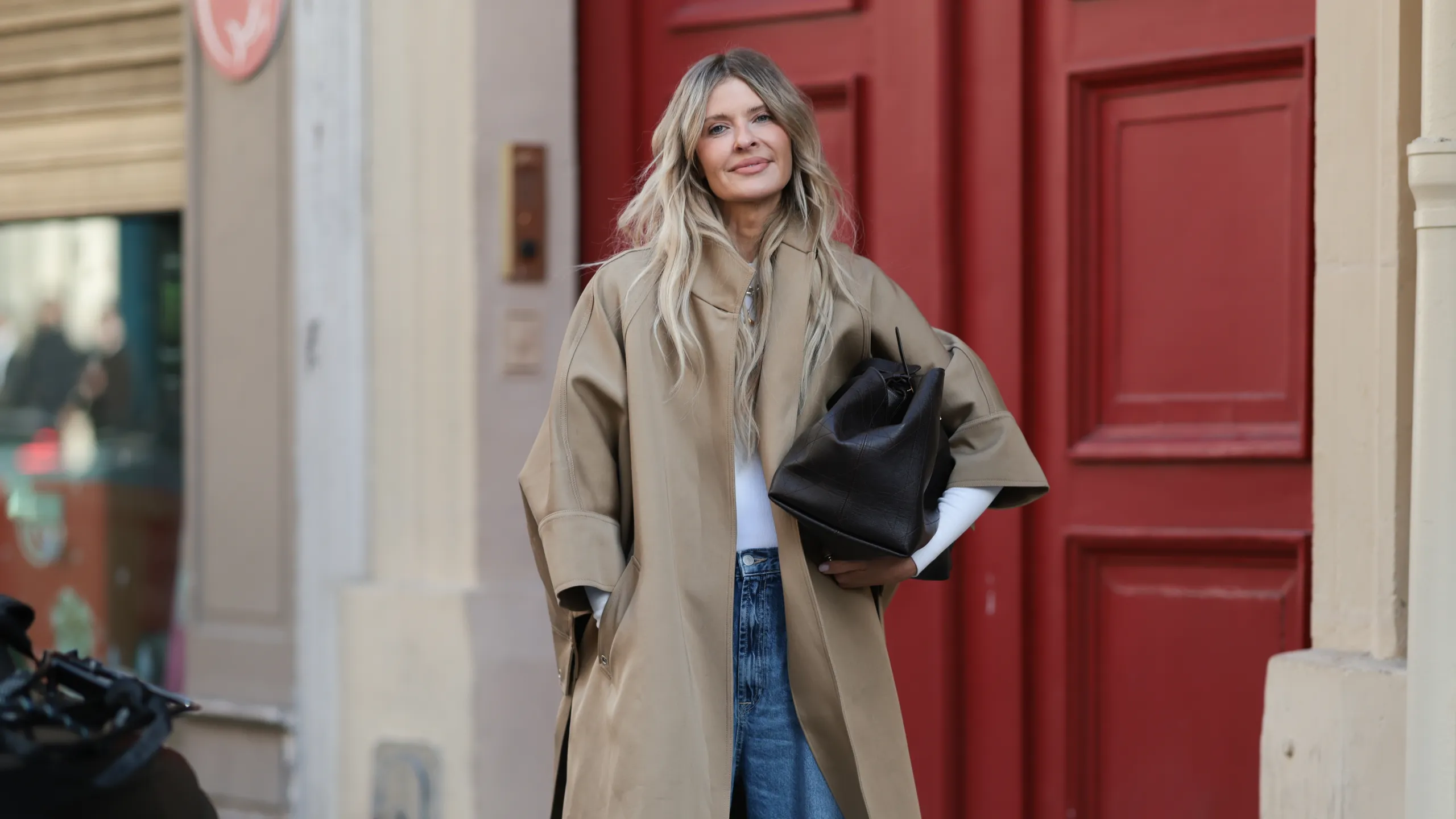
A capsule wardrobe is more than simply owning fewer clothes. It is about building a collection of versatile, comfortable, and stylish pieces that work together and suit your real lifestyle. Instead of standing in front of a packed closet wondering what to wear, you can create outfits quickly because most of your clothes already coordinate.
The key is to create a capsule wardrobe you actually enjoy wearing. It should reflect your personality, daily routine, climate, budget, and preferred style—not an arbitrary list of “must-have” items.
What Is a Capsule Wardrobe?
A capsule wardrobe is a carefully selected collection of clothing designed to be mixed and matched easily. Rather than constantly buying new pieces, you focus on quality, versatility, and practicality.
A typical capsule might include:
- Basic tops
- Shirts or blouses
- Jeans
- Trousers
- A versatile jacket
- A sweater or cardigan
- Comfortable everyday shoes
- One or two dressier options
- Seasonal pieces
- Accessories
There is no universal number of items. Some people prefer 20–30 pieces, while others need 40–50 or more. The goal isn’t to hit a specific number—it is to eliminate clothes you rarely wear and keep pieces that genuinely work for you.
1. Start With Your Lifestyle
Before buying anything, think about how you actually spend your week.
Do you work in an office? Work from home? Attend university? Spend most of your time outdoors? Go to formal events regularly?
Your wardrobe should support your lifestyle.
For example, someone working in a corporate office may need several smart shirts, trousers, and formal shoes. Someone working remotely may need more casual trousers, T-shirts, and comfortable layers.
Ask yourself:
- What do I wear most often?
- What activities take up most of my week?
- Do I need formal clothing?
- What kind of weather do I experience?
- Which outfits make me feel comfortable and confident?
Build your capsule around these answers.
2. Empty Your Closet
The easiest way to understand your wardrobe is to see everything you own.
Take your clothes out and create separate piles:
Keep: Items you regularly wear and love.
Maybe: Items you like but rarely wear or aren’t sure about.
Remove: Items that don’t fit, are damaged beyond reasonable repair, or haven’t been worn in a long time without a good reason.
Don’t immediately throw everything away. Clothes in good condition can be donated, sold, or given to someone who needs them.
This process also helps reveal patterns. You might discover that you own ten similar black shirts but rarely wear several of them.
3. Identify Your Favorite Pieces
Pay attention to the clothes you repeatedly reach for.
Maybe you always choose:
- Straight-leg jeans
- Oversized shirts
- Neutral T-shirts
- Tailored trousers
- Lightweight jackets
- White sneakers
- Simple accessories
These preferences are valuable clues.
Your capsule wardrobe should be based on what you actually wear, not what social media tells you that you should wear.
If you hate wearing blazers, don’t buy five blazers simply because they’re considered wardrobe essentials.
4. Choose a Simple Color Palette
A coordinated color palette makes mixing and matching much easier.
Start with two or three neutral colors such as:
- Black
- White
- Navy
- Gray
- Beige
- Brown
- Cream
Then add one or two accent colors you genuinely enjoy.
For example, you could build a wardrobe around:
Black + white + beige + olive
or
Navy + gray + white + burgundy
The goal isn’t to make every outfit look identical. Instead, your colors should work together so that individual pieces can create multiple combinations.
5. Build Around Versatile Basics
The foundation of a capsule wardrobe is versatility.
Look for pieces that can be worn in several different ways.
For example, a simple white shirt could work with jeans for a casual outfit, trousers for work, or layered under a sweater for cooler weather.
Similarly, a pair of dark jeans can be worn with a T-shirt and sneakers or dressed up with a button-down shirt and smart shoes.
Good capsule pieces often include:
Tops
- Plain T-shirts
- Button-down shirts
- Blouses
- Lightweight sweaters
- Neutral knitwear
Bottoms
- Well-fitting jeans
- Chinos
- Tailored trousers
- Casual pants
- A versatile skirt, if applicable
Outerwear
- Denim jacket
- Lightweight jacket
- Blazer
- Trench coat
- Coat appropriate for your climate
Shoes
- Everyday sneakers
- Smart casual shoes
- Boots or loafers
- Seasonal footwear
You don’t need all of these. Choose according to your lifestyle.
6. Prioritize Fit Over Trends
A simple garment that fits beautifully will usually look better than an expensive trendy piece that doesn’t suit you.
Pay attention to:
- Shoulder fit
- Sleeve length
- Trouser length
- Waist fit
- Overall proportions
- Comfort when moving
If something constantly needs adjusting, you probably won’t wear it.
When possible, tailoring can transform an ordinary garment into something that looks much more polished.
7. Use the “Three Outfit” Rule
Before adding a new piece to your capsule, ask:
Can I create at least three outfits with this item using clothes I already own?
If the answer is no, think carefully before buying it.
For example, imagine you’re considering a bright green jacket.
If you can wear it with:
- Jeans + white T-shirt
- Black trousers + neutral top
- Beige pants + simple shirt
then it may be a useful addition.
But if it only works with one specific outfit, it may not be worth taking up valuable wardrobe space.
8. Don’t Forget Your Personal Style
A capsule wardrobe shouldn’t make you feel boring.
If you love color, include color.
If you prefer minimalism, keep things simple.
If you like vintage clothing, incorporate vintage-inspired pieces.
If you enjoy streetwear, build your capsule around relaxed silhouettes and sneakers.
The purpose of a capsule wardrobe is to make your style easier, not to replace your personality.
9. Consider Your Climate
Climate is one of the most important factors people overlook.
Someone living in a hot climate needs a very different capsule from someone living somewhere with cold winters.
For warmer weather, consider:
- Breathable cotton
- Linen
- Lightweight shirts
- Relaxed trousers
- Lightweight footwear
For colder weather, focus on layering:
- Base T-shirts
- Shirts
- Sweaters
- Jackets
- Coats
- Scarves and other useful accessories
Choose fabrics that make sense for the conditions you’ll actually experience.
10. Shop Slowly
One of the biggest mistakes is trying to build a capsule wardrobe in one shopping trip.
Instead, start with what you already own.
After removing unwanted pieces, identify the genuine gaps in your wardrobe.
Maybe you realize you have plenty of shirts but no versatile trousers. Or perhaps you have casual clothing but nothing suitable for semi-formal occasions.
Create a shopping list based on those gaps.
This approach prevents unnecessary purchases.
11. Choose Quality Where It Matters
You don’t necessarily need expensive designer clothing.
Instead, focus your budget on pieces you wear frequently.
It can make sense to spend more on:
- A coat
- Everyday shoes
- A frequently worn jacket
- Well-made trousers
- A quality bag
You can save money on items that are inexpensive, seasonal, or less frequently worn.
The important thing is cost per wear, not simply the original price.
A $100 jacket worn 100 times costs roughly $1 per wear. A $30 shirt worn once costs $30 per wear.
12. Make Your Clothes Easy to See
Organization can determine whether you actually use your capsule wardrobe.
Keep frequently worn pieces accessible.
You can organize clothing by:
- Type
- Color
- Season
- Frequency of use
Don’t hide your favorite clothes behind pieces you rarely wear.
The easier something is to see, the more likely you are to remember and wear it.
13. Create Outfit Formulas
Outfit formulas make getting dressed much faster.
For example:
Casual: T-shirt + jeans + sneakers
Smart casual: Button-down shirt + chinos + loafers
Relaxed: Sweater + straight-leg trousers + sneakers
Office: Shirt + tailored trousers + jacket + smart shoes
Once you find formulas that work for you, you can repeat them with different colors and pieces.
Repeating successful outfits isn’t a fashion failure. It’s one of the advantages of having a capsule wardrobe.
14. Add Accessories Strategically
Accessories can give a small wardrobe more variety.
Consider:
- Belts
- Watches
- Sunglasses
- Scarves
- Simple jewelry
- Hats
- Bags
For example, the same basic shirt and trousers can look completely different with different footwear, outerwear, or accessories.
You don’t need dozens of accessories. A few versatile options are enough.
15. Review Your Wardrobe Regularly
Your lifestyle and preferences will change.
Every few months, ask:
- What am I wearing most?
- What haven’t I worn?
- What no longer fits?
- What do I keep wishing I owned?
- Are there pieces that need repair?
- Are there items I bought but never actually liked?
Use these observations to refine your capsule.
Don’t feel pressured to maintain exactly the same wardrobe throughout the year.
A Simple Capsule Wardrobe Example
Here’s an example of a versatile everyday capsule:
Tops
- 3 T-shirts
- 2 casual shirts
- 1 dressier shirt
- 1 lightweight sweater
- 1 versatile knit
Bottoms
- 2 pairs of jeans
- 1 pair of chinos
- 1 pair of tailored trousers
- 1 casual seasonal bottom
Outerwear
- 1 casual jacket
- 1 smarter jacket or blazer
- 1 weather-appropriate coat
Shoes
- Everyday sneakers
- Smart casual shoes
- Boots or seasonal footwear
Accessories
- Belt
- Watch
- Everyday bag
- Sunglasses
This is only a starting point. Adjust the numbers according to your lifestyle.
Common Capsule Wardrobe Mistakes
Buying Too Much at Once
A capsule wardrobe isn’t supposed to become another excuse for shopping.
Following Someone Else’s List
Your wardrobe should serve your life, not someone else’s.
Choosing Style Over Comfort
If something looks great but feels terrible, you probably won’t wear it.
Ignoring Your Existing Clothes
Before shopping, work with what you already own.
Choosing Pieces That Only Work Together
A capsule should give you multiple outfit combinations, not just one matching set.
Becoming Obsessed With the Number of Items
There is no magic number. A 25-piece wardrobe isn’t automatically better than a 45-piece wardrobe.
The Bottom Line
Creating a capsule wardrobe you’ll actually wear starts with understanding yourself.
Look at your lifestyle, identify the clothes you genuinely enjoy, remove unnecessary pieces, establish a practical color palette, and slowly fill the gaps with versatile items.
The best capsule wardrobe isn’t the smallest one. It’s the one where most pieces get worn regularly, outfits come together easily, and getting dressed feels effortless.
Start small, experiment, and allow your wardrobe to evolve. When every item has a purpose—and you actually like wearing it—you’ll spend less time wondering what to wear and more time feeling confident in what you’ve chosen.