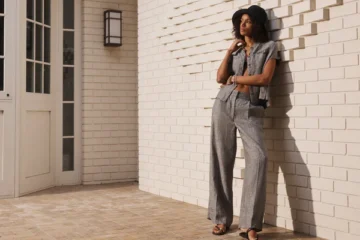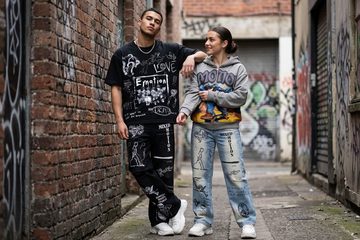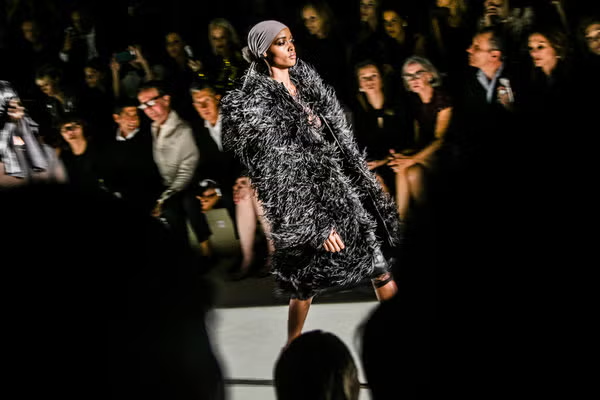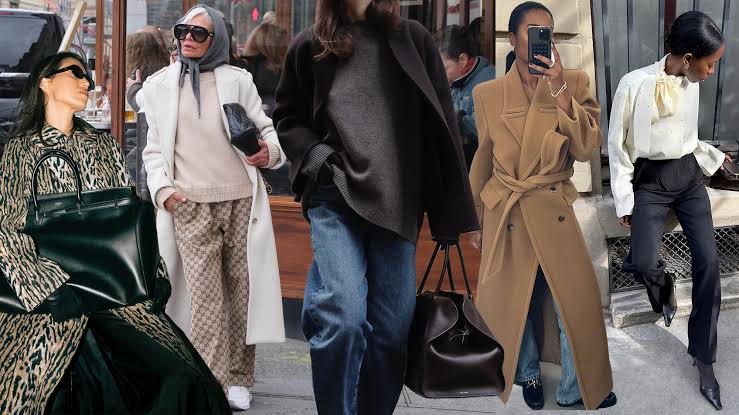
Fashion is more than simply choosing clothes to wear. It is a creative way of expressing personality, communicating confidence, and adapting to different lifestyles. From traditional outfits and classic designs to modern streetwear and contemporary luxury, fashion continues to evolve with changing cultures, technology, and individual preferences. What makes fashion interesting is that there are no universal rules for personal style. Everyone has the freedom to experiment with different looks, discover suitable clothing, and create outfits that reflect their identity.
In today’s world, fashion is accessible to people from different backgrounds, age groups, and lifestyles. Social media, online shopping, fashion designers, and digital publications have made it easier to explore new ideas and discover emerging styles. However, developing a distinctive appearance does not necessarily require expensive clothing or following every popular trend. Understanding personal preferences, choosing suitable fabrics, and combining different wardrobe pieces can make everyday styling more enjoyable and practical.
Understanding the Connection Between Fashion and Personal Identity
Personal style is one of the most important aspects of fashion because it allows individuals to communicate who they are without saying a word. Clothing choices can reflect creativity, professionalism, cultural influences, and personal interests. Some people prefer simple outfits with neutral colours, while others enjoy bright shades, unusual patterns, and experimental designs.
Developing an individual style usually takes time. It involves understanding which colours complement your appearance, which clothing shapes provide comfort, and which outfits suit your everyday activities. Rather than copying another person’s wardrobe, it is more beneficial to take inspiration from different fashion sources and adapt those ideas to your own preferences.
A balanced approach to dressing also makes it easier to remain comfortable throughout the day. Clothing should complement personal appearance while allowing freedom of movement. When comfort and visual appeal work together, an outfit becomes more practical and enjoyable to wear.
Traditional Fashion and Its Influence on Modern Clothing
Traditional clothing continues to influence contemporary fashion in many parts of the world. Cultural garments, regional patterns, handcrafted embroidery, and distinctive fabrics represent the history and creativity of different communities.
Designers frequently incorporate traditional elements into modern collections. For example, embroidered details can transform an ordinary outfit into something more distinctive, while traditional fabric patterns can add character to contemporary dresses, jackets, and accessories.
In South Asian fashion, garments such as shalwar kameez, kurtas, sarees, and lehengas demonstrate how cultural clothing remains relevant across generations. Similarly, European tailoring, Japanese minimalism, and African textile designs have influenced international fashion.
The combination of traditional craftsmanship and contemporary silhouettes creates opportunities for more diverse clothing choices. It also helps preserve cultural identity while allowing fashion to develop new creative directions.
Contemporary Fashion Trends and Changing Preferences
Modern fashion is constantly influenced by entertainment, social media, celebrity appearances, designer collections, and everyday street style. Trends can become popular quickly, but their popularity does not necessarily mean they will suit everyone.
Contemporary fashion includes a wide range of aesthetics, from minimalist clothing and relaxed tailoring to oversized streetwear and bold statement pieces. Some individuals enjoy experimenting with seasonal trends, whereas others prefer maintaining a consistent wardrobe based on classic designs.
One important development in modern styling is the growing interest in individuality. People increasingly combine different fashion influences rather than following a single established aesthetic. A tailored jacket might be paired with casual denim, or traditional accessories might complement a contemporary outfit.
This creative approach makes fashion more personal. Instead of treating trends as strict instructions, individuals can use them as inspiration for developing combinations that feel natural and distinctive.
Choosing Clothing That Combines Comfort and Quality
The quality of clothing has a significant influence on appearance, durability, and overall comfort. A well-designed garment can maintain its shape and appearance through regular use, while poorly constructed clothing may lose its original quality after only a few washes.
Fabric selection is particularly important when building a practical wardrobe. Cotton is widely appreciated for its softness and breathability, making it suitable for everyday outfits. Linen offers a lightweight option for warmer weather, while wool provides insulation during colder seasons. Denim remains popular because it is versatile and can be styled for casual or smart-casual occasions.
Beyond fabric selection, construction details deserve attention. Strong stitching, reliable buttons, comfortable linings, and properly finished edges can make a considerable difference in how long a garment lasts.
Fit is equally important. Clothing that suits an individual’s proportions generally creates a more balanced appearance. Rather than choosing something simply because it is fashionable, consider whether it feels comfortable and works with other pieces already in the wardrobe.
The Importance of Footwear and Fashion Accessories
Footwear and accessories can completely change the appearance of an outfit. Even relatively simple clothing can look distinctive when combined with carefully selected shoes, handbags, jewellery, belts, and other finishing details.
Shoes should be selected according to both appearance and practical requirements. Sneakers are suitable for many casual activities, while loafers and formal shoes can create a more polished impression. Boots provide additional styling opportunities during colder months, and sandals remain a popular option for warm-weather outfits.
Accessories offer another opportunity to express personality. A classic watch can complement professional clothing, while a colourful scarf can introduce contrast into a neutral outfit. Handbags, sunglasses, necklaces, and earrings can also help create different looks without requiring an entirely new wardrobe.
The most effective approach is to maintain balance. Too many competing accessories can make an outfit appear unnecessarily complicated. Selecting a few complementary pieces often creates a more refined result.
Sustainable Fashion and Responsible Shopping Habits
Fashion has a significant relationship with consumer habits and environmental responsibility. The growing availability of inexpensive clothing has made it easier to purchase new outfits frequently, but this convenience can also encourage unnecessary consumption.
Sustainable fashion promotes more thoughtful decisions about clothing production, purchasing, use, and disposal. It encourages consumers to consider garment quality, material choices, manufacturing practices, and product lifespan.
There are several practical ways to develop more responsible shopping habits. Purchasing versatile garments, repairing damaged clothing, exploring secondhand options, and donating wearable items can help reduce unnecessary waste.
Building a smaller but more functional wardrobe is another useful approach. Instead of purchasing numerous pieces that rarely get worn, individuals can focus on clothing that works across different occasions.
Responsible fashion does not mean abandoning creativity or avoiding new trends. It means making decisions that balance personal expression with durability, usefulness, and environmental awareness.
Creating a Versatile Wardrobe for Different Occasions
A versatile wardrobe makes everyday dressing easier because its individual pieces can be combined in several ways. It should reflect the activities and environments that are part of an individual’s lifestyle.
For everyday wear, comfortable jeans, basic shirts, casual dresses, and practical footwear provide a reliable starting point. Professional settings may require tailored trousers, structured jackets, formal shirts, and understated accessories. Social occasions create opportunities to experiment with elegant dresses, coordinated outfits, statement jewellery, and more expressive colour combinations.
Seasonal clothing should also be considered. Lightweight fabrics and breathable garments are useful during warmer months, while layered outfits, knitwear, coats, and warmer footwear become more practical in colder weather.
Colour coordination can make a wardrobe considerably more flexible. Neutral shades such as black, white, navy, grey, and beige are relatively easy to combine. Adding a few distinctive colours or patterned garments can introduce variety without making outfit planning complicated.
A useful wardrobe is not necessarily a large one. Its value comes from how effectively individual pieces work together.
Digital Inspiration and the Future of Fashion
Digital platforms have transformed how people discover and understand fashion. Online publications, style communities, video content, and social networking platforms provide access to outfit inspiration from different countries and cultures.
People can explore designer collections, learn about fabric characteristics, discover styling techniques, and observe how fashion changes across seasons. Digital learning also encourages individuals to develop a better understanding of clothing quality, personal presentation, and creative expression.
Exploring educational resources such as StudyWisdom.co.uk can complement this broader interest in learning and developing new perspectives. Building knowledge in different areas encourages curiosity and helps people make more informed decisions in their everyday lives.
Technology is also influencing the fashion industry through virtual fitting experiences, artificial intelligence, digital design tools, and improved online shopping services. These developments are changing how consumers discover products and how designers approach clothing creation.
Despite these changes, the central purpose of fashion remains closely connected to creativity and personal expression. Technology may introduce new possibilities, but individual taste will continue to influence how people choose and wear clothing.
Developing Confidence Through Individual Style
Confidence is an important part of personal presentation. Wearing clothing that feels comfortable and reflects individual preferences can positively influence how someone approaches everyday situations.
There is no single fashion aesthetic that everyone needs to follow. Some people feel confident in classic outfits, while others prefer experimental streetwear, vintage clothing, minimalist designs, or colourful contemporary looks.
The key is to understand personal preferences instead of constantly comparing appearances with others. Fashion should provide opportunities for creativity rather than create unnecessary pressure to purchase new products or meet unrealistic expectations.
Experimenting with different combinations can also help individuals discover what works best. Trying new colours, adjusting proportions, changing accessories, and exploring different clothing styles can gradually lead to a more recognizable personal aesthetic.
Final Thoughts
Fashion continues to develop through cultural influences, changing lifestyles, creative design, and technological innovation. From traditional garments and timeless wardrobe essentials to contemporary streetwear and sustainable clothing, there are countless ways to explore personal style.
Developing a practical wardrobe requires more than following popular trends. It involves understanding fabric quality, choosing comfortable clothing, selecting suitable accessories, and making thoughtful purchasing decisions. Most importantly, personal style should reflect individuality rather than follow a fixed set of expectations.
By combining creativity with comfort and responsible choices, anyone can develop an appearance that feels authentic and suitable for everyday life. Fashion is ultimately about enjoying the freedom to express yourself, appreciate different influences, and make clothing a meaningful part of your personal identity.