Fashion has always been an important part of everyday life. It influences how people present themselves, express their personalities, and connect with different cultures. From traditional garments and classic clothing combinations to contemporary streetwear and innovative designer collections, fashion continues to evolve with changing lifestyles and social influences. Today, personal style is no longer limited to following popular trends. It is about choosing clothing, footwear, accessories, and colors that reflect individual preferences while offering comfort and confidence.
The modern fashion industry has also become more accessible. Digital platforms, online shopping, fashion communities, and social media have introduced people to styles from different parts of the world. As a result, individuals can explore new ideas, discover emerging designers, and create unique outfits without depending entirely on traditional fashion retailers.
Understanding the Evolution of Modern Fashion
Fashion has developed significantly over the years. In earlier generations, clothing choices were often influenced by cultural traditions, regional customs, social positions, and seasonal requirements. Traditional outfits were designed around local fabrics, craftsmanship, and practical needs.
Modern fashion, however, combines traditional inspiration with contemporary creativity. Designers frequently reinterpret classic clothing elements by introducing updated cuts, modern fabrics, fresh color combinations, and innovative construction techniques.
For example, traditional tailoring can now be found in contemporary suits, oversized jackets, modern ethnic clothing, and minimalist collections. These combinations allow people to appreciate cultural heritage while embracing current fashion preferences.
Another important development is the growing interest in individuality. Rather than purchasing every trending item, many people now prefer developing a recognizable personal style that remains relevant beyond a single season.
The Importance of Personal Style in Everyday Life
Personal style is one of the most meaningful aspects of fashion because it allows individuals to communicate their preferences through clothing. Some people appreciate simple outfits with neutral colors, while others enjoy experimenting with bright patterns, unusual silhouettes, and statement accessories.
Developing a personal style does not require an expensive wardrobe. A practical collection of well-fitting clothing can provide numerous outfit possibilities. The key is understanding which colors, fabrics, and designs work together.
A few essential considerations can make everyday styling easier:
- Comfort: Choose clothing that supports movement and feels appropriate throughout the day.
- Fit: Select garments that complement your proportions without restricting movement.
- Color coordination: Build combinations using complementary shades and versatile neutral colors.
- Versatility: Invest in clothing that can be styled for different occasions.
- Individuality: Include distinctive pieces that reflect your personality.
A consistent personal style can also make shopping more purposeful. Instead of buying items simply because they are popular, people can focus on clothing that complements their existing wardrobe.
Contemporary Clothing Trends and Their Growing Influence
Contemporary fashion includes a wide range of clothing styles designed for different lifestyles, occasions, and preferences. While some trends emerge from designer collections, others develop through street culture, entertainment, online communities, and everyday fashion experimentation.
Minimalist fashion remains popular because of its simplicity and practicality. It generally focuses on clean silhouettes, neutral shades, quality materials, and uncomplicated combinations. White shirts, tailored trousers, structured coats, and understated footwear are common elements of this aesthetic.
Streetwear represents another influential fashion direction. Inspired by urban culture, music, sports, and creative communities, it often includes oversized clothing, graphic T-shirts, sneakers, hoodies, and relaxed silhouettes. Its popularity demonstrates how everyday clothing can become an important form of self-expression.
Classic fashion continues to maintain its appeal as well. Carefully tailored jackets, elegant dresses, denim, leather accessories, and traditional footwear offer styling possibilities that do not depend heavily on temporary trends.
These different approaches show that modern fashion is not defined by a single aesthetic. People can combine several influences to create outfits that suit their personalities and daily routines.
Choosing Fabrics That Improve Comfort and Appearance
Fabric selection plays a major role in clothing quality, appearance, and comfort. Even an attractive design may become impractical if it uses unsuitable materials.
Cotton is widely appreciated for its softness, breathability, and versatility. It works well for everyday shirts, casual dresses, trousers, and comfortable summer clothing.
Linen is another popular option, particularly during warmer months. Its lightweight construction allows airflow, making it suitable for relaxed shirts, trousers, and summer dresses. Its naturally textured appearance also adds character to simple outfits.
Wool is commonly used in colder-weather clothing because of its insulating properties. Depending on its construction, it can be suitable for sweaters, coats, scarves, and tailored garments.
Denim remains an essential material in casual fashion. Jeans, jackets, skirts, and shirts made from denim can be incorporated into numerous outfit combinations.
When choosing fabrics, consumers should consider durability, maintenance requirements, climate, and intended use. Understanding these characteristics helps people purchase clothing that looks attractive and remains practical over time.
Footwear and Accessories as Essential Fashion Elements
Clothing creates the foundation of an outfit, but footwear and accessories often determine its overall character. A simple combination of jeans and a shirt can look completely different depending on the shoes, bag, belt, jewelry, or other finishing details.
Footwear should balance appearance with functionality. Sneakers are popular for everyday activities because they offer comfort and work with many casual outfits. Loafers provide a polished alternative for smart-casual occasions, while boots can introduce structure and personality into seasonal clothing combinations.
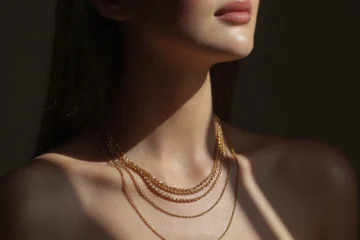
Accessories offer additional opportunities for creativity. Watches, handbags, sunglasses, necklaces, earrings, scarves, and belts can enhance even the simplest clothing choices.
However, effective styling does not require wearing numerous accessories simultaneously. Sometimes, one carefully selected item creates a stronger visual impression than several competing elements.
The most successful combinations maintain balance between clothing, footwear, and accessories while considering the occasion.
Sustainable Fashion and Responsible Shopping Decisions
Sustainability has become an increasingly important discussion within the fashion industry. The production, transportation, and disposal of clothing can create environmental challenges, encouraging consumers and businesses to reconsider traditional purchasing habits.
Fast fashion has made inexpensive clothing widely available, but frequent purchasing can contribute to textile waste and excessive resource consumption. In response, many consumers are becoming more interested in durable garments, responsible production methods, and thoughtful wardrobe planning.
Sustainable fashion does not necessarily mean replacing an entire wardrobe with expensive environmentally marketed products. Small decisions can also make a difference.
Buying fewer but more versatile garments, repairing damaged clothing, choosing durable fabrics, donating wearable items, and exploring secondhand shopping are practical approaches.
Consumers can also pay attention to garment construction, fabric composition, and product care instructions. Clothing that receives proper maintenance often remains usable for longer periods.
Responsible fashion is ultimately about creating a healthier relationship with clothing by considering quality, usefulness, and long-term value.
How Digital Culture Is Transforming Fashion Discovery
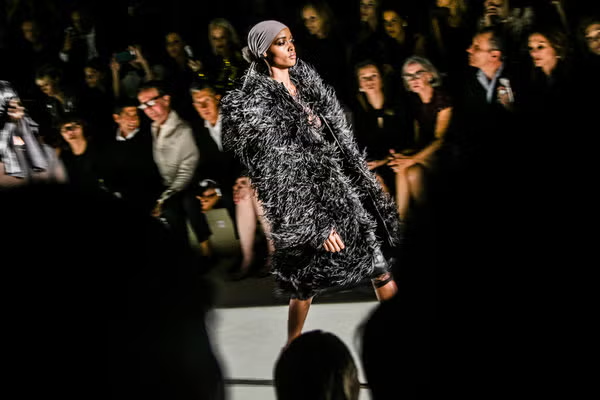
Technology has changed how people discover, evaluate, and purchase fashion products. Previously, consumers often depended on magazines, fashion shows, retail displays, and personal recommendations. Today, digital platforms provide access to an enormous variety of styling ideas and clothing collections.
Social media has become particularly influential. Fashion creators share outfit combinations, seasonal inspiration, styling techniques, and product recommendations with audiences around the world. These platforms allow emerging designers and independent brands to reach consumers without relying entirely on traditional advertising.
Online publications also help readers understand developments across different industries, including clothing, lifestyle, business, and technology. Platforms such as FintechZoom.com can be part of the wider digital information environment where readers explore business and financial developments that influence modern consumer markets.
Technology has also improved online shopping experiences. Detailed product descriptions, customer reviews, size charts, digital payment systems, and virtual styling features help shoppers make more informed purchasing decisions.
Artificial intelligence is introducing additional possibilities. Some retailers use recommendation systems to suggest products based on browsing preferences, while virtual fitting technologies aim to help customers understand how garments might look before purchasing them.
These developments demonstrate how fashion and digital innovation increasingly influence one another.
Building a Functional Wardrobe for Different Occasions
A functional wardrobe should support everyday activities while providing enough flexibility for different social and professional situations. Instead of collecting large quantities of clothing, individuals can focus on selecting garments that work together.
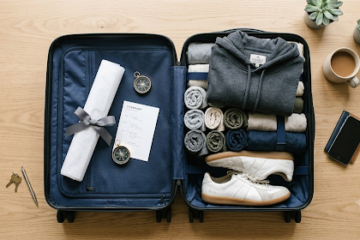
A basic wardrobe may include well-fitting jeans, neutral T-shirts, comfortable shirts, tailored trousers, versatile jackets, and suitable footwear. These essentials can be combined in several ways without requiring extensive shopping.
For professional settings, structured clothing and coordinated colors can create a polished appearance. Casual environments allow more flexibility through relaxed fits, comfortable fabrics, and creative combinations.
Special occasions may require more distinctive clothing, such as formal dresses, tailored suits, elegant footwear, or carefully selected accessories.
Seasonal planning is equally important. Lightweight garments are useful during warmer weather, while sweaters, coats, and layered outfits provide comfort during colder periods.
The goal is to create a wardrobe that reflects personal preferences while remaining suitable for real-life needs.
The Future of Fashion and Emerging Consumer Preferences
The future of fashion will likely be influenced by changing consumer expectations, technological progress, environmental awareness, and creative experimentation.
Personalization is expected to remain an important direction. Consumers increasingly appreciate products that reflect their individual preferences rather than relying exclusively on mass-market trends.
Material innovation may also influence future clothing collections. Researchers and manufacturers are exploring alternative fibers, recycled textiles, and production methods designed to reduce environmental impact.
Digital experiences will continue expanding as well. Virtual showrooms, advanced recommendation systems, digital fashion presentations, and improved online fitting tools may change how people interact with brands.
At the same time, traditional craftsmanship will remain valuable. Handcrafted details, regional textiles, thoughtful tailoring, and heritage-inspired designs provide qualities that mass production cannot always reproduce.
The most interesting developments may emerge when modern technology and traditional creativity work together.
Final Thoughts
Fashion is much more than selecting attractive clothing. It combines personal identity, cultural influences, practical requirements, creative expression, and changing consumer expectations. From classic wardrobe essentials and contemporary streetwear to sustainable materials and digital shopping experiences, the industry continues to offer new possibilities.
Developing a strong personal style does not require following every trend or spending excessively. Understanding fabrics, choosing suitable clothing, coordinating accessories, and prioritizing quality can make everyday fashion more enjoyable and practical.
As technology continues transforming consumer behavior and global markets, fashion will remain closely connected to wider digital and economic developments. Readers interested in understanding these changing environments can explore platforms such as FintechZoom.com while discovering how modern lifestyles, business innovation, and consumer preferences continue to shape the world around them.