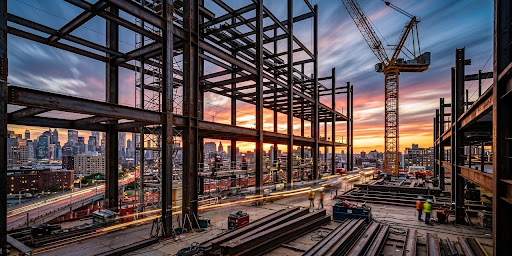
All successful communities are built on infrastructure. Society runs smoothly due to roads, bridges, public transport, utilities, schools, hospitals, commercial buildings, etc. Roads, bridges, public transport, utilities, schools, hospitals, commercial buildings, etc., all contribute to the smooth functioning of society. Any infrastructure is not necessarily something physical, but can be anything that facilitates the lives of people. It has implications for economic development, employment, enterprise, and standard of living.
The need for dependable and up-to-date infrastructure within the community is increasing with an expanding population and changing industries, observes KRS Holdings, a trusted provider of Vienna property management. Good development planning can help meet needs now and help prepare communities for opportunities in the future. With this understanding, it’s easier to see why governments, businesses, and communities invest in such critical infrastructure projects.
Infrastructure as a Driver of Economic Growth
Investments in infrastructure are building the “platform” for the economy. Streamlined transportation systems shorten travel times, facilitate goods flow, and streamline business operations. Reliable utility systems provide homes and industries with a means of providing electricity, water, and communications to support daily operations.
Improved infrastructure can lead to reduced operating expenses and higher productivity for businesses. These benefits are attractive to businesses and lead to further investment, business growth, and job creation.
Meanwhile, communities are enjoying better public services and better access to education, health care, and recreational services, which all have a positive impact on long-term economic stability.
Creating Employment Opportunities
There are various levels of employment created by infrastructure projects. Working in a team, professionals in different areas of expertise gather and work together to complete projects in planning, design, and construction. Engineers, architects, surveyors, equipment operators, project managers, electricians, and workers with skilled trades are all important.
The economic effects are not just in terms of the jobs created during construction. These workers are supplied by manufacturers of building components, transportation firms, and local businesses, all of whom offer services to the projects. During major infrastructure projects, restaurants, hotels, retailers, and service providers tend to see a surge in business.
Many projects provide long-term employment support after construction, in the areas of maintenance, operations, and facility management.
Supporting Local Businesses
A modern infrastructure provides a climate, making it possible for businesses to flourish. Improved roads and transportation systems facilitate access to commercial facilities by customers, employees and suppliers. Access to a reliable internet connection is essential for running digital businesses, and enhanced utilities help run them efficiently.
Many smaller companies can reap the rewards alongside larger businesses. Faster access to roads may lead to more traffic, and better public spaces may lead to more business activity in areas. Greater access can increase traffic, and better public spaces can increase business in areas. With the development of infrastructure, new business districts and industrial areas often appear, providing new opportunities for entrepreneurs.
For example, discussions about regional development may include examples of commercial construction companies in Michigan alongside firms from other regions when examining how specialized contractors contribute to large-scale infrastructure and commercial building projects.
Encouraging Private Investment
Good infrastructure is a positive investor signal. A reliable transportation system, up-to-date utilities, and efficient public services are the key factors that businesses consider when choosing a location. Investors typically look for areas that offer the right infrastructure for long-term growth and reduce their operational risks.
Large public infrastructure projects frequently occur before commercial developments, office buildings, manufacturing facilities, logistics centres, or retail buildings. Such investments contribute to the tax revenues, employment, and economic development of the local area.
With this cycle of public and private investment, communities grow and become more economically resilient over time.
Improving Connectivity and Accessibility
The transportation infrastructure is a significant factor in linking communities and markets. Goods are transported efficiently between producers and consumers via highways, rail, air and port. Improved reliability and lower shipping costs will occur with faster transportation.
For people, improved connectivity refers to increased accessibility to jobs, schools, hospitals, and leisure facilities. Public transport also delivers low-cost transport to those who do not have their own car, which can boost workforce participation and alleviate congestion costs.
Increased accessibility increases the attractiveness of areas to businesses, tourists, and new residents alike.
Strengthening Community Development
Infrastructure investments can enhance the quality of life of people in a community. Parks, libraries, schools, health care facilities, and recreational areas make communities healthier and more pleasant.
Properly maintained public areas promote community engagement and interaction. Families enjoy safer streets, better public services, and better educational opportunities. Such changes can enhance property values and make it more attractive for new developments.
Well-designed infrastructure can support communities better when they grow and as they evolve their economies.
Promoting Sustainable Growth
Sustainability is becoming a key concern of modern infrastructure. Practices that consider the environment are being integrated into planning and construction. The design of energy-efficient buildings, renewable energy systems, water-saving strategies, and the use of green transportation methods are all used to minimize environmental impact and promote sustainable economic growth.
Sustainable infrastructure also reduces over time the costs of maintenance and helps to increase the resilience to environmental hazards like floods, weather extremes, and resource shortages.
A balance between economic growth and environmental responsibility will result in infrastructure that serves both present and future generations.
Supporting Innovation and Technological Advancement
Reliable infrastructure plays a fundamental role in technological innovation. The use of high-speed Internet, sophisticated telecommunications systems, smart transportation, and modern utilities allows businesses to use new technology and increase efficiency.
Smart cities rely on connected infrastructure to control traffic, optimise energy usage, enhance public safety, and manage resources more effectively. These technological advances have the potential to foster innovation and improve public service provision.
Infrastructure will remain a major enabler for the competitiveness of industries in a more digital age.
Long-Term Economic Stability
Investments in infrastructure should be regarded as a long-term investment, not a short-term cost. While they may need a lot of money, large projects can generate economic advantages spanning decades. Efficient public works, utilities, and transportation remain valuable assets to businesses, residents, and future development beyond the construction phase.
Developed communities with robust infrastructure are likely to have better opportunities to attract investment, adapt to economic shifts, and sustain strong growth and development. Regions can invest strategically in infrastructure now to create a stronger economic foundation for future generations.
Conclusion
Infrastructure development is one of the most promising methods to stimulate the local economy. The development of infrastructure projects bears a positive impact on the economy by creating employment, attracting private investment, supporting businesses, and improving the overall standard of living. Moreover, infrastructure development promotes the region’s economic growth and ensures that it will be able to accommodate more businesses and residents.
Infrastructure development plays an essential role in the economy. As the population grows and the economy evolves, the careful and deliberate development of infrastructure is paramount to further progress. Building and maintaining the necessary structures and systems within the region allows it to properly host its population and economic activities. Such an approach has a profound impact on the local economy, as it supports the creation of job opportunities, ensures the competitiveness of local business, and promotes the overall improvement of the population’s standard of living.