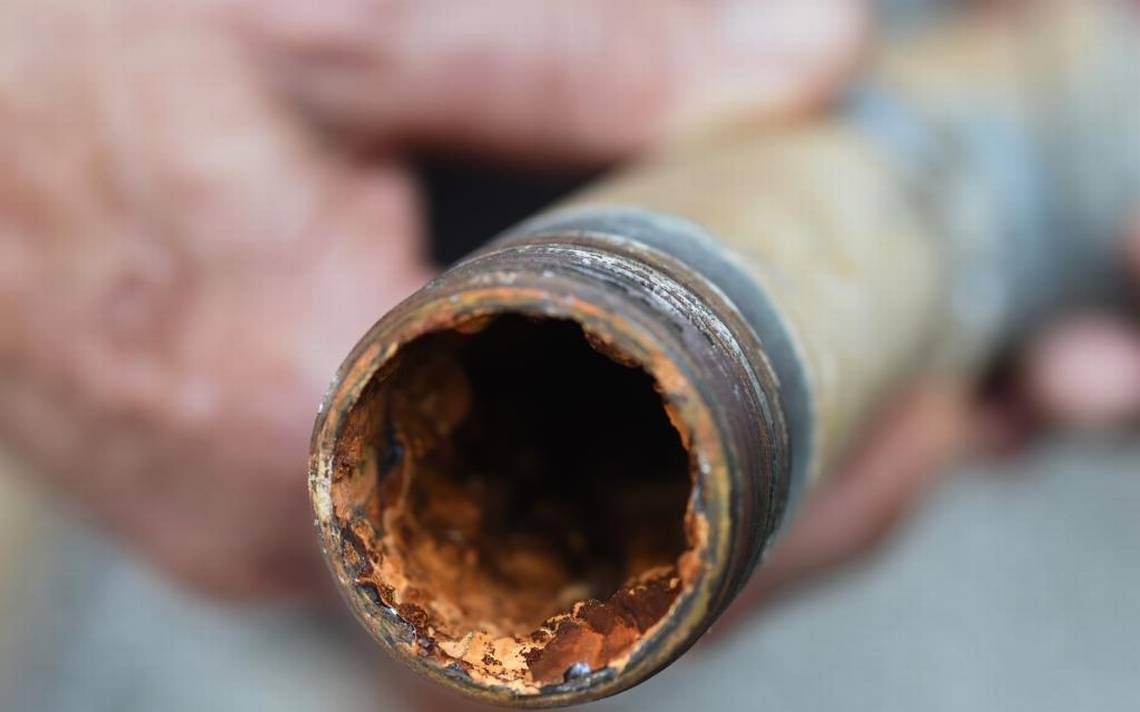
In industrial processing environments, equipment failures rarely happen without warning. Most breakdowns begin as small operational mistakes that go unnoticed for weeks or even months. Heat exchangers are no exception. While these systems are designed for durability and efficiency, improper handling, inconsistent cleaning practices, and overlooked pressure issues can slowly reduce performance long before a visible failure occurs.
Many facilities focus on production output while treating maintenance as a secondary priority. However, unplanned downtime caused by damaged heat exchangers can interrupt operations, affect product quality, and create expensive repair cycles. Understanding the most common causes of equipment deterioration helps plants prevent problems before they escalate into major operational disruptions.
Why Heat Exchanger Failures Often Start with Routine Operations
Heat exchangers operate under constant thermal and mechanical stress. Daily production cycles expose plates, gaskets, and internal surfaces to repeated heating, cooling, pressure fluctuations, and chemical exposure.
Over time, even small inconsistencies begin to weaken system components. A pressure spike during startup, overly aggressive cleaning chemicals, or uneven reassembly after servicing may not cause immediate failure, but they gradually shorten equipment lifespan.
One reason these problems become difficult to detect is that early-stage damage often develops internally. Reduced efficiency, minor leaks, or temperature inconsistencies may appear insignificant at first, yet they usually indicate larger maintenance issues developing beneath the surface.
This is why preventive heat exchanger maintenance has become increasingly important in modern hygienic processing environments.
Chemical Cleaning Can Be as Harmful as Product Buildup
Cleaning-in-place systems are essential for food, dairy, and beverage processing, but improper cleaning procedures can create their own set of problems.
Many facilities assume stronger chemical concentrations and higher cleaning temperatures automatically improve sanitation results. In reality, excessive chemical exposure often damages gaskets and accelerates wear on heat transfer surfaces.
Elastomer compatibility is especially important. Certain gasket materials perform well with steam and acidic cleaning solutions but deteriorate quickly when exposed to oils, fats, or overly concentrated chemicals. Using incompatible materials can lead to swelling, brittleness, and leakage over time.
Poor rinsing practices can also leave chemical residues inside the system, increasing corrosion risk and affecting long-term reliability.
Pressure Fluctuations Are More Damaging Than Many Operators Realize
Sudden pressure changes place significant stress on heat exchanger plates and seals. Water hammer events, rapid startups, or blocked flow conditions can create forceful internal shocks that weaken equipment components over repeated cycles.
Metal fatigue develops gradually under these conditions. Plates flex repeatedly during operation, and microscopic stress fractures begin forming over time. Eventually, these tiny defects expand into visible cracking or leakage.
Unlike external damage, fatigue-related problems are difficult to spot early without regular inspections or testing procedures. Facilities that rely solely on reactive maintenance often discover these failures only after product contamination or system shutdown occurs.
Reassembly Errors Can Shorten Equipment Life
Maintenance quality matters just as much as maintenance frequency.
After cleaning or inspection, plate-and-frame heat exchangers must be reassembled carefully to maintain proper compression and alignment. Uneven tightening or rushed assembly can distort the plate pack, misalign gaskets, and create weak sealing points.
Many operators mistakenly rely on torque values alone during reassembly, even though compression requirements vary depending on plate configuration and gasket type. Improper tightening often causes leaks that appear shortly after restarting the system.
Consistent assembly procedures, proper training, and gradual tightening patterns help reduce unnecessary stress on the exchanger frame and internal components.
Early Warning Signs Are Frequently Ignored
Heat exchangers rarely fail without symptoms. The problem is that many early warning signs are subtle enough to be overlooked during routine operations.
Common indicators include:
- Small leaks around ports or plate edges
- Repeated need for gasket tightening
- Unusual temperature variations
- Reduced thermal performance
- Visible swelling or hardening of gasket materials
- Pressure inconsistencies during production cycles
Ignoring these signals often allows minor issues to evolve into major repairs. Facilities that prioritize regular inspection programs typically identify problems before production is affected.
Reliability Depends on Long-Term Maintenance Habits
In many processing plants, maintenance is still approached as a reaction to equipment failure rather than an ongoing operational strategy. However, heat exchanger reliability depends heavily on consistency.
Well-maintained systems not only reduce downtime but also improve energy efficiency, process stability, and product quality. Preventive inspections, proper cleaning procedures, operator training, and controlled startup practices all contribute to longer equipment life.
As processing systems become more advanced and production demands increase, facilities that adopt disciplined maintenance practices are often better positioned to avoid costly interruptions and maintain consistent operational performance over time.
Stay in touch to get more updates & news on Tribune!