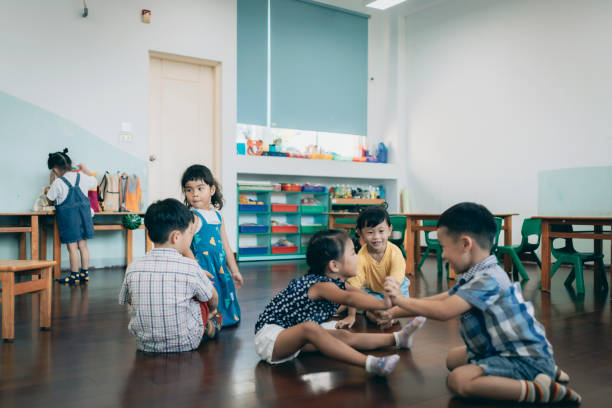
“Discover 🔍 the leading playgroup programs in Serangoon 🎒! Support your child’s development through interactive and enjoyable learning 🧠🎈.”
Playgroup programs play a key role in a child’s formative years, offering opportunities for social interaction, cognitive skill-building, and emotional development. Structured activities in these settings encourage creativity, problem-solving, and communication, while also connecting parents and caregivers with supportive communities. Families looking to enroll their children can explore playgroup in Singapore to find quality programs with nurturing environments and experienced instructors.
These early experiences help lay a foundation for lifelong learning and overall well-being. Serangoon has earned a reputation for delivering quality playgroup programs that emphasize well-rounded development. These programs feature engaging activities, caring instructors, and nurturing environments that promote social skills, curiosity, and early learning, making the area a preferred destination for families seeking effective early childhood education.
Understanding Early Childhood Growth
Defining early childhood development
Early childhood development involves the physical, cognitive, social, and emotional growth of children from birth up to around eight years old. Experiences during this stage shape brain development and influence behavior, learning capacity, and overall health, forming the groundwork for future achievements.
This period of growth is highly responsive to interactions with caregivers, peers, and the surrounding environment. Positive experiences, such as engaging in play, exploration, and guided learning, support the development of essential skills like communication, problem-solving, and emotional regulation. Consistent nurturing during these formative years lays a strong foundation for confidence, resilience, and adaptability that benefits children throughout their lives.
The role of early experiences
Positive early experiences contribute to the development of essential skills, encourage curiosity, and support emotional regulation. Investing time and attention during this period can significantly impact both personal growth and a child’s ability to thrive in academic and social settings.
The Role of Playgroups
Benefits of participating in playgroup programs
Playgroup programs help children develop social and emotional abilities, foster collaboration, and build language skills. Interactive activities create a safe environment for exploring, experimenting, and building confidence. These experiences help children navigate social situations and establish a strong foundation for learning.
Expert perspectives
Educators and child development specialists highlight the benefits of playgroup programs. Children participating in structured group activities tend to show improved communication skills, stronger peer connections, and better emotional understanding. Parents also benefit from guidance and support as they navigate early developmental milestones.
Parental engagement and community support
Playgroup programs not only benefit children but also provide opportunities for parents to engage actively in their child’s early learning journey. Through workshops, parent-child activities, and regular updates from instructors, caregivers gain insights into developmental progress and effective strategies for supporting growth at home. These interactions foster a sense of community among families, allowing parents to share experiences, exchange advice, and build supportive networks that reinforce the child’s learning environment.
Comparing programs
A detailed comparison of top playgroups in Serangoon presents unique features, benefits, and potential challenges for each program. This helps parents make informed choices by matching program offerings with their child’s individual needs and developmental goals.
Selecting a program suited to your child
Choosing the right playgroup involves observing how children respond to activities, evaluating the learning environment, and reviewing teaching approaches. Consider your child’s temperament, interests, and social readiness when selecting a program that promotes learning, curiosity, and confidence.
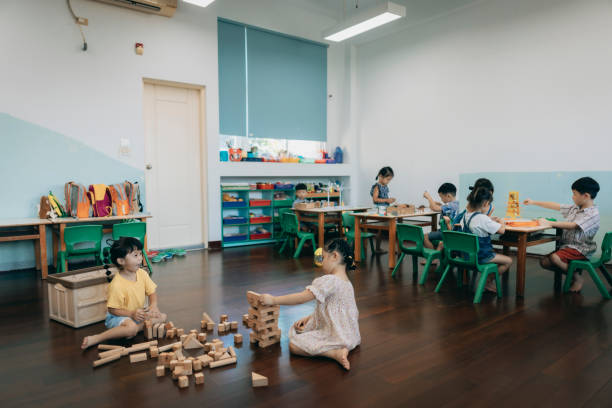
Methods and Strategies in Playgroups
Educational strategies used in programs
Programs utilize a variety of teaching methods, including inquiry-based activities, collaborative exercises, and differentiated learning approaches. These strategies encourage engagement, accommodate diverse learning styles, and help children develop critical thinking and problem-solving abilities.
Outcomes and parent feedback
Reports and testimonials from parents and educators show notable improvements in children’s engagement, communication skills, and emotional resilience. These positive results reflect the effectiveness of structured group activities and supportive teaching approaches in enhancing early learning experiences.
Conclusion
Serangoon’s playgroup programs provide structured, supportive settings that nurture social, emotional, and cognitive growth in young children. Selecting the right program allows children to gain confidence, develop essential skills, and build early connections that support long-term development. Parents benefit from observing their children thrive in environments designed to encourage curiosity, interaction, and learning, making these programs an invaluable resource for early childhood growth.
Choosing a playgroup in Serangoon also offers the advantage of exposure to diverse activities and teaching approaches, helping children discover their interests and strengths. These programs encourage creativity, problem-solving, and cooperative play, equipping young learners with practical skills that extend beyond the classroom. By participating in such well-rounded programs, children are better prepared for the next stages of their educational journey, gaining a foundation that supports lifelong learning and personal development.
FAQs
- What makes a playgroup effective for young children?
An effective playgroup offers engaging, age-appropriate activities, caring staff, and opportunities for social and cognitive development. - How do I choose the best playgroup for my child?
Observe how your child interacts with activities and peers, assess teaching approaches, and prioritize programs that align with their interests and social readiness. - Are there programs for specific age groups?
Yes, most playgroups offer age-focused classes to address developmental needs appropriate for toddlers, preschoolers, and early learners. - How often should children attend playgroups?
Attendance frequency varies, but consistent participation allows children to build skills, confidence, and social connections over time.
Keep an eye for more latest news & updates on Tribune!