Why Early Detection Is Crucial for Portland Properties
Portland’s weather patterns present a unique set of challenges for homeowners, making early detection of water damage not just a good idea, but a necessity. The constant dampness and frequent rain can lead to hidden moisture problems that, if left unaddressed, can cause significant structural issues and health concerns. Acting fast when you first suspect a leak can save you a lot of money and hassle down the line. Ignoring small signs can turn a minor issue into a major repair job. This is especially true in a climate like Portland’s, where moisture has so many opportunities to seep into your home. Local restoration teams such as those experienced with water damage portland or cases often emphasize how quickly moisture issues escalate in this region, making expert help from providers like the one at the linked site essential.
Think about it: a small drip from a pipe under the sink might seem insignificant. But over weeks or months, that slow leak can saturate drywall, weaken subflooring, and create the perfect breeding ground for mold. The longer water sits, the more damage it does. It’s not just about the visible water; it’s about the unseen moisture that silently degrades your home’s integrity. This is why keeping an eye out for any signs of water intrusion is so important for Portland properties.
We’ll cover the common culprits and what to look for, but the main takeaway is this: don’t wait. The cost of professional water damage restoration is almost always less than the cost of dealing with extensive structural damage and mold remediation. Early intervention is key to protecting your home and your health from the persistent threat of water damage in the Pacific Northwest.
How Portland’s Frequent Rain Increases Moisture Buildup
Portland is famous for its rain, and while it keeps things green, it also means your home is constantly exposed to moisture. This persistent dampness can find its way into your house through various points, leading to increased moisture buildup. Gutters that aren’t cleared, small cracks in the roof, or even poor drainage around your foundation can all become entry points for water. Once inside, this moisture can get trapped in attics, crawl spaces, and behind walls, creating an environment ripe for problems.
This constant exposure to damp conditions means that even small issues can escalate quickly. A roof shingle that’s slightly loose might not seem like a big deal, but during one of Portland’s many rainy spells, it can allow enough water to seep in to start causing damage. Similarly, if your gutters are clogged with leaves and debris, rainwater can back up and overflow, potentially seeping into your roof or foundation. It’s a cycle where the weather constantly tests your home’s defenses.
Understanding how Portland’s climate contributes to moisture buildup is the first step in preventing serious water damage. It means being more vigilant about regular maintenance, like cleaning gutters and checking your roof, and being aware that even on a dry day, moisture from previous rain can still be lurking within your home’s structure. This constant battle against dampness is a defining characteristic of homeownership in this region.
Consequences of Delayed Restoration for Health and Costs
When water damage isn’t addressed promptly, the consequences can be severe, impacting both the health of your household and your wallet. The most immediate concern after water intrusion is the potential for mold growth. Mold thrives in damp environments, and it can start to grow within 24 to 48 hours. Inhaling mold spores can lead to a range of health issues, from allergic reactions and asthma flare-ups to more serious respiratory problems, especially for vulnerable individuals like children and the elderly.
Beyond health risks, delaying water damage restoration significantly increases repair costs. What might have been a relatively simple drying and cleanup job can quickly turn into a complex and expensive project. Structural components like wood framing and drywall can become compromised, requiring replacement. The longer water sits, the more it spreads, and the more materials become affected, driving up the labor and material costs associated with fixing the damage. This is why prompt action is so important.
The financial impact of delayed restoration is substantial. What starts as a minor leak can balloon into thousands of dollars in repairs if not handled quickly. This includes not only the cost of removing damaged materials and drying the structure but also the expense of mold remediation and potential reconstruction. Early restoration is, therefore, a more cost-effective approach to protecting your home and its occupants.
It’s a clear case where procrastination leads to greater expense and potential health hazards. Addressing water damage swiftly is an investment in the long-term health and value of your home. Ignoring it is a gamble that rarely pays off, often leading to much larger problems down the road.
Identifying Signs of Water Intrusion and Mold Growth
Visible Indicators of Mold Following Water Damage
Water damage doesn’t always announce itself with a dramatic flood. Often, it starts subtly, creating conditions where mold can take hold. You might notice small clusters of black, green, or white spots appearing on surfaces like walls, ceilings, or even fabrics. These aren’t just unsightly; they’re a clear sign that moisture has been present long enough for mold to establish itself. Early detection of these visual cues is key to preventing more significant problems.
Beyond the spots themselves, look for discoloration. Yellowing or darkening patches on paint or wallpaper can indicate water seeping behind the surface. Sometimes, mold can even appear fuzzy or powdery. If you see any of these signs, it’s time to investigate the underlying cause of the moisture. Ignoring them allows the mold to spread, potentially impacting indoor air quality and causing further damage to your home’s materials.
It’s important to remember that mold thrives in damp environments. The frequent rain in Portland means that moisture can find its way into your home through various entry points. Addressing any visible mold growth promptly is not just about aesthetics; it’s about protecting the health of your household and the structural integrity of your property. This is where understanding the signs of water intrusion becomes so important.
Recognizing Musty Odors and Persistent Humidity
Sometimes, the first sign of trouble isn’t something you see, but something you smell. A persistent musty or earthy odor, especially in areas that should be dry like closets, basements, or under sinks, is a strong indicator of hidden mold growth. This smell often arises because mold spores are releasing volatile organic compounds into the air. The smell can be faint at first, but it tends to get stronger as the mold colony grows.
Another tell-tale sign is persistent indoor humidity. If you notice condensation forming on windows, mirrors, or bathroom tiles even when it’s not particularly cold outside, it suggests that excess moisture is trapped within your home. Consistently high humidity levels, generally above 60%, create an ideal breeding ground for mold and can also damage finishes like paint and wallpaper. This persistent humidity is a direct consequence of moisture buildup.
Think about areas where air circulation might be poor, like behind furniture or in crawl spaces. These are prime spots for moisture to linger unnoticed, leading to both the musty smell and the elevated humidity. Regularly airing out your home and using dehumidifiers can help, but if the problem persists, it points to a deeper issue with water intrusion that needs to be addressed.
Detecting Soft Drywall and Stains on Surfaces
When drywall absorbs water, it loses its structural integrity. You might notice areas that feel soft, spongy, or even crumbly to the touch. This is a serious warning sign that water has been present for some time, potentially weakening the wall’s support structure. Gently pressing on suspicious areas can reveal this softness. It’s a clear indicator that water damage is occurring behind the surface.
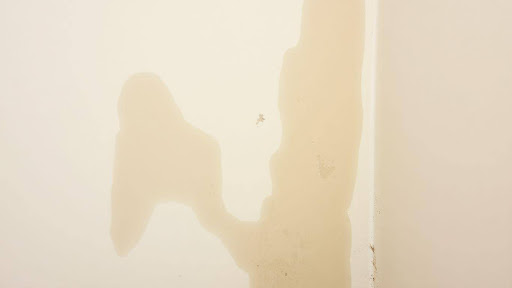
Stains on ceilings and walls are another common visual cue. These often appear as yellow or brown watermarks, sometimes accompanied by peeling paint or wallpaper. They typically originate from leaks in the roof, plumbing issues in an upper floor, or even condensation buildup. The extent and color of the stain can sometimes give clues about the source and age of the leak.
Pay attention to any bubbling or flaking paint, or even raised seams in flooring near walls. These can also be signs that moisture is compromising the materials. Addressing soft drywall and visible stains promptly is vital. It prevents further deterioration, stops mold growth, and avoids more extensive and costly repairs down the line. Catching these signs early is part of identifying water intrusion.
Preventive Measures for Portland Homeowners

Regular Gutter Maintenance and Roof Inspections
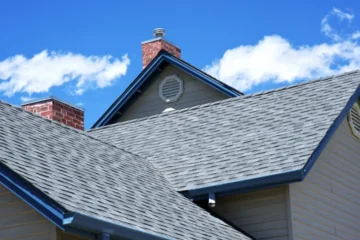
Keeping gutters clear is a simple yet effective way to prevent water damage. When Portland’s frequent rain fills them with leaves and debris, water can back up and seep into your roof or foundation. Regularly cleaning gutters and downspouts ensures water flows away from your home. A quick inspection of your roof for loose shingles or damaged flashing can stop small problems before they become big leaks. This proactive approach is key to protecting your property.
Plumbing Upgrades and Leak Detection Tips
Older plumbing systems can be a hidden source of trouble. Consider upgrading flexible supply lines under sinks and toilets, as these are less prone to bursting than rigid ones. Installing smart leak detectors near water heaters or washing machines can provide early warnings. Regularly check visible pipes for any signs of corrosion or dampness. These small steps can prevent significant water damage.
Seasonal Preparations Against Freezing and Flooding
As Portland experiences its share of cold snaps and heavy rains, preparing your home is smart. Before winter, insulate exposed pipes in unheated areas to prevent freezing and bursting. Test your sump pump before the rainy season begins to ensure it can handle excess water. For homes with basements, checking foundation seals and ensuring proper yard grading can direct water away, reducing the risk of flooding. These preparations are vital for Portland homeowners.
Addressing Basement Flooding and Water Damage
Common Causes of Basement Flooding in Portland Homes
Portland’s wet weather means basement flooding is a real concern. Heavy rain is the main culprit, often overwhelming drainage systems. Older homes, common in areas like Sellwood, might have foundations that are more porous, letting water seep in. Even with newer construction, poor grading around the house can direct water straight towards your foundation walls. Clogged gutters and downspouts are another big problem; when they can’t handle the rain, water backs up and finds its way inside.
Sump pumps are supposed to be a homeowner’s best friend during heavy storms, but they can fail. This might happen during a power outage, which often accompanies severe weather, or if the pump itself is old or breaks down. When a sump pump fails, water can quickly rise in the basement. It’s a good idea to test your sump pump regularly, especially before the rainy season really kicks in. Some people even opt for battery backup systems or water-powered backups for extra security.
Understanding these common issues is the first step to preventing basement water damage. Ignoring signs like damp spots or musty smells can lead to bigger problems down the line, like mold growth and structural damage. Addressing basement flooding requires a proactive approach, looking at both the external factors like rain and grading, and the internal systems like sump pumps.
Advanced Leak Detection and Moisture Control
Using Thermal Imaging for Hidden Leaks
Thermal imaging cameras are a game-changer for finding water problems you can’t see. These devices detect temperature differences on surfaces. Wet areas often feel colder than dry ones because of evaporation. This makes them show up clearly on the camera’s display. It’s a non-invasive way to scan walls, ceilings, and floors for hidden moisture before it causes major damage. This advanced leak detection method is particularly useful in Portland’s damp environment where moisture can hide easily.
Moisture Meters and Hygrometers for Precision
While thermal imaging shows where to look, moisture meters and hygrometers tell you how much moisture is present. A moisture meter is inserted into materials like drywall or wood to get a direct reading of their water content. This helps assess the severity of a leak. A hygrometer, on the other hand, measures the relative humidity in the air. Keeping indoor humidity below 60% is key to preventing mold and further moisture issues. Using both tools gives a precise picture of your home’s moisture levels.
Identifying Temperature Anomalies Behind Walls
Temperature anomalies behind walls can signal serious issues. These might be caused by plumbing leaks, insulation gaps, or even pest infestations. Thermal imaging can spot these temperature differences, pointing to areas that need closer inspection. For instance, a cold spot might indicate a cold water pipe leak, while a warmer spot could suggest a hot water leak or even electrical issues. Identifying these temperature anomalies behind walls is a critical step in advanced leak detection and moisture control, preventing small problems from becoming big ones.
Cost Considerations and Insurance for Water Damage
Dealing with water damage in Portland homes can get expensive fast. Several things affect how much repairs will cost. The size of the mess, how dirty the water was, and what parts of your house need fixing all play a big role. A small leak might just need some drying and minor patching, costing maybe a thousand dollars or so. But if you’re dealing with sewage backup or widespread mold, you’re looking at thousands more, and that’s before any major structural work.
Understanding these costs upfront helps homeowners plan better. It’s not just about the immediate cleanup; it’s also about preventing future problems. For instance, letting water sit can lead to wood rot or damage to your foundation, which are much bigger, costlier issues down the line. The longer you wait to address water damage, the more it will cost to fix. This is why acting quickly is so important for managing the overall expense of water damage restoration.
When it comes to insurance, filing a claim promptly is key. Homeowners should document everything – take pictures, keep receipts, and get a professional estimate. Some restoration companies can help with the insurance paperwork, making the process smoother. It’s important to know what your policy covers, as not all water damage situations are treated the same by insurance companies. Understanding your policy details can save a lot of headaches and money when disaster strikes.
Staying Ahead of Water Damage in Portland
Portland’s rainy weather is a given, and while it makes our city green, it also means we have to be extra careful about water damage in our homes. Ignoring small leaks or damp spots can lead to bigger, more expensive problems down the line, like mold or structural issues. Keeping an eye out for warning signs, like musty smells or water stains, and taking quick action can save a lot of hassle and money. Regular maintenance, like cleaning gutters and checking pipes, goes a long way in preventing damage. If you do find water damage, getting professional help fast is the best way to get your home back to normal and keep it safe.