Introduction
The demand for reliable sports recording systems has grown significantly as teams place greater emphasis on performance analysis. Coaches and athletes are no longer satisfied with basic footage that captures only fragments of the game. Instead, they seek clear, consistent, and comprehensive recordings that can support detailed evaluation and improvement. This shift has made the selection of the right recording setup more important than ever.
A well-designed system does more than simply record games. It provides a stable and accurate view of the action, ensuring that every movement and decision can be reviewed later. Poor-quality footage, on the other hand, can limit analysis and lead to missed opportunities for learning. This makes it essential to consider not only the camera itself but also how it is positioned and used.
Modern solutions now focus on delivering elevated and wide-angle views that capture the full scope of play. Some providers offer versatile camera systems designed to record from higher vantage points, making them suitable for sports, events, and various outdoor activities. These systems aim to combine clarity, durability, and ease of use so that teams can focus on performance rather than technical challenges.
As more teams invest in video analysis, understanding how to choose the right setup becomes a critical step. This article explores the key factors that influence recording quality and provides practical guidance for making informed decisions.
Understanding the Purpose of a Sports Recording System
Before selecting any recording equipment, it is important to define its primary purpose. Not all systems are designed for the same use, and understanding the intended application helps narrow down the options. Some teams require simple footage for basic review, while others need detailed recordings for in-depth analysis and strategic planning.
For teams focused on performance improvement, the system must capture the entire field clearly. This allows coaches to study formations, player positioning, and movement patterns. In contrast, casual recording setups may only highlight key moments without providing the full context needed for analysis. Identifying these differences ensures that the chosen system aligns with specific goals.
Consistency is another critical factor. A reliable recording system should produce uniform results across multiple sessions. This makes it easier to compare performances over time and track progress. Without consistency, it becomes difficult to evaluate whether changes in strategy or technique are effective.
Ease of use should also be considered. Coaches and support staff often have limited time, so the system should be simple to set up and operate. Complicated equipment can lead to delays and frustration, which may discourage regular use. By focusing on purpose and practicality, teams can select a system that truly supports their needs.
Key Features to Look for in a Recording Setup
Choosing the right recording setup involves evaluating several important features. One of the most critical aspects is image quality. High-resolution footage ensures that details are clear, making it easier to analyze player movements and game situations. Blurry or low-quality video can limit the effectiveness of any review process.
Stability is equally important. A camera that shifts or vibrates during recording can distort the view and make analysis difficult. Secure mounting solutions help maintain a steady frame, ensuring that footage remains consistent throughout the session. This is especially important in outdoor environments where wind or uneven surfaces may affect equipment.
Portability also plays a significant role. Teams often move between different venues, so the system should be easy to transport and set up. Lightweight designs and compact components can make a big difference in convenience. A portable system encourages regular use and reduces the burden on staff.
Battery life and durability are additional considerations. Recording sessions can last for extended periods, so the system must be able to operate without interruption. Durable materials ensure that the equipment can withstand various weather conditions and repeated use. By focusing on these features, teams can invest in a setup that delivers both reliability and performance.
Importance of Height and Positioning in Recording
The placement of a camera has a direct impact on the quality and usefulness of recorded footage. Height, in particular, plays a crucial role in capturing a complete view of the field. Elevated positions provide a broader perspective, allowing coaches to see how plays develop from start to finish. This makes it easier to analyze both individual actions and team coordination.
Positioning also affects visibility. A poorly placed camera may result in obstructions or limited angles, reducing the effectiveness of the recording. By contrast, a well-positioned system ensures that all key areas of the field are clearly visible. This clarity is essential for accurate analysis and meaningful feedback.
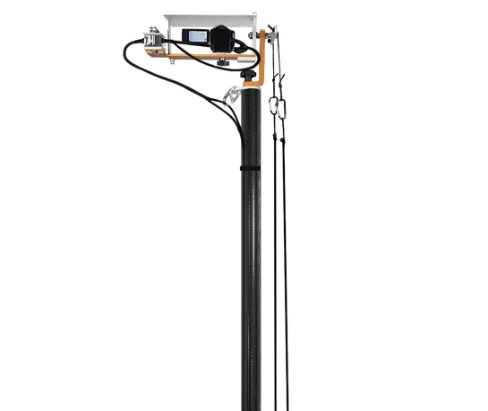
Systems such as an endzone camera system are designed to provide this elevated perspective, offering a comprehensive view that supports detailed evaluation. When combined with an endzone camera, coaches can better understand formations, spacing, and movement patterns. This setup helps connect individual performance with overall team strategy.
Consistency in positioning is just as important as the initial setup. Recording from the same location each time allows for reliable comparisons between sessions. This makes it easier to track progress and identify areas for improvement. By prioritizing height and placement, teams can significantly enhance the value of their recorded footage.
Comparing Different Camera Angles for Game Footage
Different camera angles provide different insights, and understanding their strengths is essential for effective recording. Sideline views are commonly used because they are easy to set up and follow the flow of the game. However, they often focus on a narrow section of the field, which can limit the ability to analyze overall team structure.
Elevated angles offer a more comprehensive perspective. From this position, it becomes easier to observe formations, spacing, and movement across the entire field. Coaches can evaluate how players interact with one another and identify patterns that may not be visible from ground level. This makes elevated views particularly valuable for tactical analysis.
Wide-angle coverage is another important consideration. A broader field of view ensures that more of the action is captured, reducing the risk of missing key moments. This is especially useful in fast-paced sports where plays develop quickly and involve multiple players at once.
In some cases, teams may benefit from using multiple camera angles. Combining sideline and elevated perspectives can provide a more complete understanding of the game. Each angle offers unique insights, and together they create a more detailed and balanced view. By carefully selecting and combining angles, teams can maximize the effectiveness of their recording setup.
How Endzone-Based Recording Improves Tactical Insights
Endzone-based recording has become a valuable approach for teams that want a deeper understanding of game strategy. This perspective provides a clear view of how plays develop from the moment they begin. Unlike traditional angles that may focus on isolated actions, this view captures the entire formation and movement across the field. As a result, coaches can evaluate both individual roles and overall team execution within the same frame.
One of the most significant advantages of this approach is its ability to reveal spacing and alignment. Players’ positions relative to one another become much easier to assess. Coaches can quickly identify whether formations are being executed correctly or if adjustments are needed. This clarity supports more effective feedback and helps players understand their responsibilities within the team structure.
Decision-making also becomes more visible through this perspective. It allows coaches to analyze how players respond to changing situations during a play. Whether it involves reading an opponent’s movement or adjusting positioning, the full context is captured. This makes it easier to provide targeted guidance that improves both awareness and reaction time.
Over time, consistent use of endzone-based recording helps teams refine their strategies. It creates a reliable framework for reviewing performance and making informed adjustments. This level of insight plays a key role in building a more organized and disciplined approach to competition.
Portability and Ease of Setup for Coaches on the Go
Coaches often work in dynamic environments where time and resources are limited. A recording system that is difficult to transport or set up can quickly become a burden. This is why portability and ease of use are essential considerations when choosing equipment. A system that can be assembled quickly allows teams to focus more on training and less on technical preparation.
Lightweight designs make it easier to move equipment between locations. Whether traveling for games or shifting between practice fields, a portable system ensures that recording remains consistent. Compact components also reduce storage challenges and simplify logistics for teams with limited space.
Ease of setup is equally important. Systems that require minimal assembly and adjustment can be deployed quickly, even in unfamiliar environments. This reduces the risk of delays and ensures that recording begins on time. Coaches can maintain a structured routine without unnecessary interruptions.
Reliability is another factor that supports usability. Equipment that performs consistently under different conditions allows teams to depend on it without concern. Weather, terrain, and lighting can vary, but a well-designed system should handle these challenges effectively. By prioritizing portability and simplicity, teams can ensure that video recording becomes a seamless part of their workflow.
Recording Quality vs Practical Usability
When selecting a recording system, teams often face a balance between achieving high-quality footage and maintaining practical usability. While advanced features and high resolution can enhance analysis, they may also introduce complexity. It is important to choose a system that delivers clear visuals without becoming difficult to manage.
High-resolution recording provides detailed footage that supports precise evaluation. Coaches can zoom in on specific moments and examine fine details that influence performance. However, larger file sizes can create challenges in storage and sharing. Managing these files requires efficient organization and reliable storage solutions.
Usability plays a crucial role in ensuring that the system is used consistently. If equipment is too complicated, it may discourage regular use, which limits its overall value. A user-friendly interface and straightforward operation make it easier for coaches and staff to integrate recording into their routine.
Another consideration is the time required for reviewing footage. Systems that allow quick playback and easy navigation improve the efficiency of analysis sessions. This helps teams focus on learning rather than dealing with technical obstacles. By finding the right balance between quality and practicality, teams can maximize the benefits of their recording setup.
Budget Considerations and Long-Term Value
Investing in a sports recording system requires careful evaluation of both cost and long-term benefits. While it may be tempting to choose the most affordable option, lower-priced systems often come with limitations that affect performance. Poor image quality, lack of stability, or limited durability can reduce the effectiveness of the investment.
A more thoughtful approach involves considering long-term value rather than initial cost alone. A reliable system that delivers consistent results can support years of use. This reduces the need for frequent replacements and ensures that teams continue to benefit from accurate and useful footage. Durability is particularly important for equipment used in outdoor environments.
Budget planning should also take into account additional needs such as storage, accessories, and maintenance. These factors contribute to the overall cost of ownership and should not be overlooked. A well-rounded investment includes not only the camera but also the tools required to use it effectively.
Making an informed decision involves balancing affordability with functionality. Teams should focus on features that directly support their goals rather than unnecessary extras. By prioritizing quality and reliability, they can ensure that their investment delivers meaningful results over time.
Conclusion
Selecting the right sports recording setup is an important step for any team aiming to improve performance through analysis. A well-chosen system provides clear, consistent footage that supports both individual development and team strategy. By understanding the purpose of the system and focusing on essential features, teams can make more informed decisions.
Camera placement, angle, and stability all play a significant role in determining the quality of recorded footage. When these elements are carefully considered, the resulting video becomes a valuable tool for learning and improvement. Coaches and players can rely on accurate visuals to guide their training and refine their approach.
As recording technology becomes more accessible, teams at all levels have the opportunity to benefit from structured analysis. This has helped create more organized training environments and has improved the way athletes understand the game. The ability to review and learn from footage continues to shape modern coaching practices.
Long-term success depends on choosing a system that balances quality, usability, and durability. A thoughtful investment can provide lasting value and support continuous growth. By integrating effective recording solutions into their routine, teams can enhance both performance and understanding.
In the end, the right setup is not just about capturing footage. It is about creating opportunities for better decision-making, stronger communication, and more consistent progress on the field.