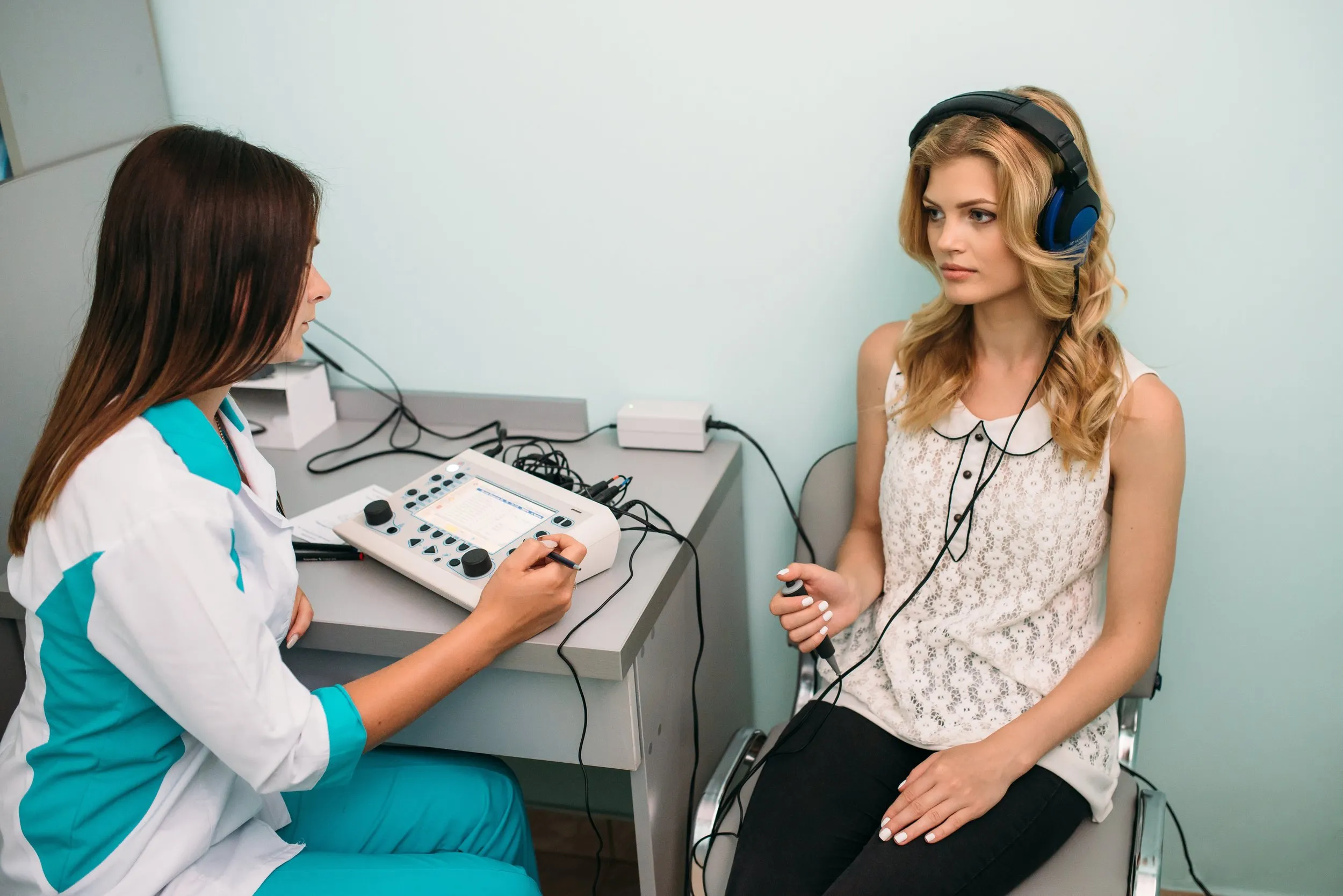
Measuring one’s ability to hear is a vital aspect of healthcare that affects not only the individual’s communication skills but also their quality of life. An integral tool in this domain is the audiometry test, which is employed to assess an individual’s hearing levels. This comprehensive test helps in identifying how well a person can hear various sounds, pitches, or frequencies and is crucial for diagnosing any hearing impairments.

What Is an Audiometry Test?
An audiometry test is a painless, non-invasive procedure used to evaluate a person’s hearing acuity. Conducted by trained audiologists, the test measures a person’s ability to hear sounds that vary in frequency and intensity. Identifying hearing thresholds, it helps diagnose whether there is a hearing loss, the type of loss (conductive or sensorineural), and the extent of any impairment. This information is crucial for obtaining suitable treatment or interventions such as hearing aids or surgical options.
The Importance of Regular Hearing Tests
Regular hearing tests are essential, especially for individuals exposed to high noise levels in their occupation or those experiencing symptoms of hearing loss. Early detection of hearing impairment through audiometry testing can prevent the progression of hearing loss and the accompanying psychosocial implications. Untreated hearing issues can lead to social isolation, depression, and a decline in cognitive functions. Thus, timely audiometry testing and appropriate hearing care can significantly improve one’s standard of living.
Components of an Audiometry Test
Audiometry tests typically involve several components, each designed to assess different aspects of hearing. The test is usually conducted in a soundproof booth to eliminate background noise.
Pure Tone Audiometry
This component involves the use of an audiometer, which plays a series of tones through headphones at various volumes and pitches. The individual indicates when they can hear a tone, usually by raising a hand or pressing a button. This part of the test helps determine the softest sounds a person can hear and charts them on an audiogram.
Speech Audiometry
Speech audiometry assesses the ability to understand and repeat spoken words at various sound levels. This test is vital because hearing and processing speech in daily life involves complex interactions of tones and volumes. It helps to evaluate not just the kind of hearing issue present but also how severely it impacts communication.
Bone Conduction Testing
This component measures the inner ear’s response to sound vibrations. A small device is placed behind the ear to transmit sounds through the bones directly to the inner ear. This helps determine whether the hearing loss is sensorineural (related to inner ear structure or nerve pathways) or conductive (related to outer or middle ear problems).
When Should One Undergo an Audiometry Test?
Audiometry tests are recommended for anyone exhibiting signs of hearing loss, including muffled hearing, difficulty understanding speech, and frequently asking others to repeat themselves. Children and older adults are particularly recommended to undergo hearing assessments, as young children are still developing linguistic skills and older individuals are at higher risk for hearing degradation.
In professions like construction, music, or any field with constant exposure to high decibels, regular hearing evaluations are crucial. Occupational hearing loss is a common issue, and early detection can help reduce its long-term impacts through preventive measures and occupational health strategies.
The Role of Audiologists
Audiologists are healthcare professionals specialising in diagnosing, managing, and treating hearing disorders. They are equipped with the skills and tools necessary to conduct audiometry tests and provide accurate diagnoses. Beyond conducting tests, audiologists play a significant role in counselling patients on the implications of test results, discussing potential treatment options, and recommending assistive listening devices when necessary.
Advances in Audiometry Testing
With technology constantly evolving, the methodologies and equipment used in audiometry tests are becoming more advanced and accurate. Digital audiometers, for instance, offer more precise readings and logging capabilities, allowing audiologists to track changes in hearing ability over time.
Moreover, innovations like online hearing test platforms are providing greater access to preliminary hearing assessments, helping individuals recognise the need to seek professional audiometric evaluations.
Preparing for an Audiometry Test
Prior preparation can help ensure accurate audiometry test results. Individuals are advised to avoid loud noises for at least 14 hours before testing, as brief exposure to loud environments can temporarily affect hearing thresholds. Informing the audiologist of any medications or ear-related health issues is also crucial, as these can impact the results or the type of tests required.
Common Causes of Hearing Loss
Hearing loss can be caused by a variety of factors, including genetic conditions, ageing, infections, head trauma, and prolonged exposure to loud noises. Understanding these causes can help in taking preventive measures and managing existing conditions effectively via timely audiometry assessments.
Impact of Hearing Loss on Daily Life
Untreated hearing loss can significantly affect one’s social, emotional, and psychological well-being. Difficulty in communication can lead to social withdrawal, anxiety, and even depression. Access to comprehensive audiometry testing enables individuals to understand their hearing capabilities and take informed steps toward managing or treating hearing loss, thus improving life quality.
By understanding these various aspects of audiometry tests, both professionals and the general public can appreciate the importance of regular hearing examinations in maintaining overall health and well-being.