Most people can spot AI writing from a mile away. It often feels cold, repetitive, and a bit too perfect. If your blog posts or articles sound like they were written by a machine, your readers will likely lose interest. You want your content to connect with real people, build trust, and keep them reading until the very end. This is where an AI Humanizer becomes a vital part of your writing process.

The goal is not just to change a few words here and there. You want to transform the entire feel of the text. When you convert AI to human text, you are adding rhythm, personality, and a natural flow that machines often miss. This process helps your content bypass the robotic feel that turns readers away. You can achieve this transformation by following a simple, three step method that ensures your drafts are ready for a human audience.
Step 1: Identify and Clean Robotic Markers
The first step in humanizing your content is to find the parts that sound most like a bot. AI tends to use specific words and structures that act as red flags. It loves words like delve, comprehensive, and robust. It often starts every sentence in a paragraph with the same type of word, such as a noun or a gerund. This creates a monotonous drone that puts readers to sleep.
Before you use any tools, read through your draft and look for these patterns. If you see a list of three items in every other paragraph, break them up. If the AI used a transition like In conclusion or Furthermore too many times, delete them. You want to strip away the predictable nature of the machine output. This creates a clean slate for the humanization process.
Once you have removed the most obvious AI tells, you can focus on the structure. AI drafts often lack a logical flow between different ideas. They might jump from one point to another without a smooth transition. Spend a few minutes reordering sentences so they lead naturally into the next thought. This manual cleanup makes the next steps much more effective.
Step 2: Use a Humanization Tool for Natural Flow
After you have cleaned up the obvious errors, it is time to use technology to your advantage. A specialized tool can analyze the syntax of your writing and suggest changes that mimic human speech patterns. These tools look at the length of your sentences and the complexity of your vocabulary. They work to ensure that the text does not follow a mathematical pattern, which is a common trait of raw AI output.
When you run your text through the tool, pay attention to how it changes the sentence variety. Humans naturally mix short, punchy sentences with longer, more descriptive ones. A good tool will help recreate this variety. It will also replace overly formal language with words that people actually use in conversation. Instead of saying utilize, it might suggest use. Instead of saying additional, it might suggest more.
This step is about more than just swapping words. It is about changing the DNA of the text. The tool helps adjust the tone so it matches your specific brand or voice. You can choose to make the text more professional, more casual, or even more humorous. This flexibility is key to making sure the final product does not sound like a generic template.
Step 3: Review and Add Personal Touches
The final step is the most important one. You must go back through the text and add your own unique perspective. Even the best software cannot replicate your personal experiences or your specific brand of humor. This is your chance to add anecdotes, real world examples, and opinions that only a human could have.
Read the entire piece out loud. This is a classic writing trick that works every time. If you find yourself running out of breath during a long sentence, it needs to be shortened. If a phrase sounds awkward when spoken, it will feel awkward when read. Adjust the punctuation to match how you would actually say the words to a friend.
Adding personal touches also means checking for facts and logic. Sometimes AI can get things wrong or present information in a way that does not make sense in the real world. Verify every claim and make sure the advice you are giving is practical. This final layer of human oversight is what truly separates a good blog post from a mediocre AI draft.
Tips and Best Practices for Humanizing Content
To get the best results, you should keep a few things in mind throughout the process. Humanizing text is an art, but there are some reliable strategies you can use to make it easier.
Use active voice as much as possible. AI loves the passive voice, which can make writing feel distant and boring. Instead of saying The cake was eaten by the dog, say The dog ate the cake. This makes your writing more direct and engaging. It also helps reduce the word count and makes your points clearer.
Vary your sentence beginnings. If three sentences in a row start with The, your reader will notice. Try starting with a prepositional phrase, an adverb, or a short question. This keeps the reader on their toes and makes the text feel more dynamic.
Focus on the reader’s emotions. AI is great at providing information, but it is bad at making people feel something. Think about why the reader is looking at your post. Are they frustrated? Are they excited? Use words that acknowledge those feelings. This creates a connection that a machine simply cannot build.
Use simple language. You do not need to use big words to sound smart. In fact, using clear and simple language often makes you sound more like an expert. It shows that you understand the topic well enough to explain it to anyone. Avoid jargon unless it is absolutely necessary for the topic.
Common Mistakes to Avoid
Many writers make the same errors when trying to fix AI drafts. Avoiding these mistakes will save you time and improve the quality of your final post.
One big mistake is relying too much on the tool. While a humanizer is helpful, it is not a magic button. You still need to do the work of reviewing and editing. If you just copy and paste the output without looking at it, you might end up with text that sounds strange or loses its original meaning.
Another mistake is over editing. Sometimes, in an effort to make things sound human, writers add too many unnecessary words or complex metaphors. This can make the text hard to follow. Your goal is clarity and flow, not just making things look different for the sake of it.
Do not ignore the formatting. A big wall of text is a sign of a lazy draft. Use headers, bullet points, and short paragraphs to make your content easy to scan. Humans like to skim before they commit to reading the whole thing. If your post looks like a textbook, people will click away.
Finally, do not forget to check your links and references. AI often makes up sources or provides broken links. Always double check that any data you include is accurate and that your links go to the right places.
Summary of AI vs Humanized Content
The following table shows the main differences between a raw AI draft and a piece of content that has been properly humanized.
| Item | Raw AI Draft | Humanized Content |
| Sentence Length | Mostly uniform and repetitive | Varied and rhythmic |
| Tone | Cold, formal, and robotic | Warm, engaging, and personal |
| Vocabulary | Uses common AI buzzwords | Uses natural, everyday language |
| Structure | Often lacks logical flow | Smooth transitions between ideas |
| Engagement | Low, feels like a manual | High, feels like a conversation |
Conclusion
Turning a stiff AI draft into something people actually want to read does not have to be a long or difficult process. By following these three steps, you can take the speed of AI and combine it with the heart of human writing. Start by cleaning up the obvious robotic markers in your draft. Use a tool to help with the flow and rhythm of the sentences. Finally, add your own voice and personal stories to make the content unique.
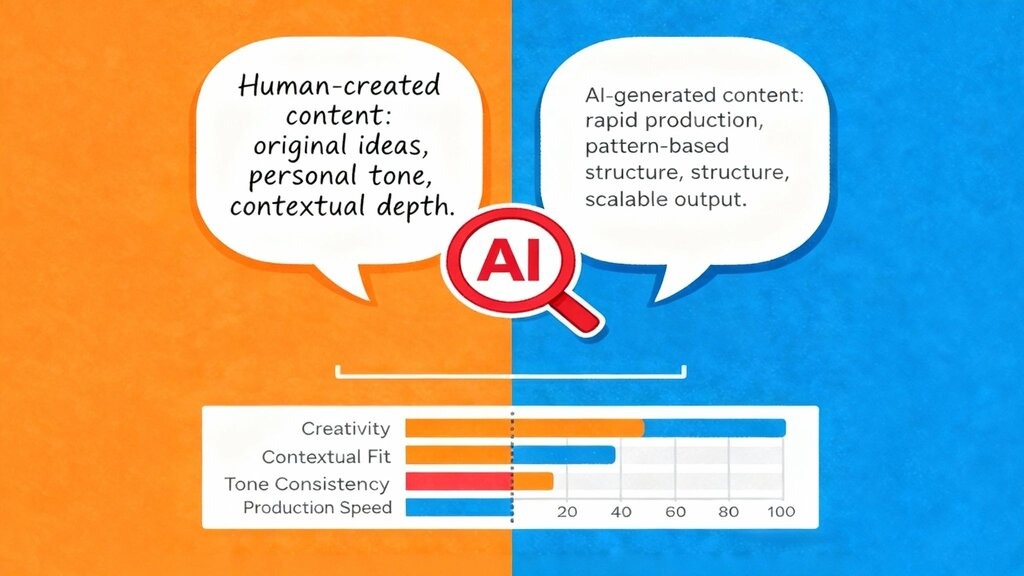
When you take the time to humanize your writing, you are showing your readers that you value their time. You are providing them with something that is easy to read, easy to understand, and full of personality. This builds a stronger relationship with your audience and helps your content stand out in a world full of generic AI text. Stick to these principles, and you will see a big difference in how people respond to your work.
Stay in touch to get more updates & news on Tribune!