Introduction
Choosing the right trekking package can shape the entire mountain experience, from physical comfort to overall satisfaction. Trekking is not a one-size-fits-all activity because every traveler has different goals, fitness levels, budgets, and expectations. Some seek intense summit challenges, while others prefer scenic walks with moderate difficulty and cultural immersion. Selecting the wrong trekking package can lead to unnecessary stress, physical exhaustion, or unmet expectations. This is especially true for high-demand trekking destinations such as Mount Rinjani, where route difficulty, package inclusions, and guide quality vary significantly. Understanding how to evaluate trekking packages helps travelers make informed decisions and align the journey with their personal adventure style.
Understanding Trek Difficulty Levels
One of the first steps in choosing a trekking package is understanding the difficulty level. Trekking packages are usually designed for different skill levels, and choosing the right one helps avoid unnecessary struggle.
Beginner treks are usually shorter, less steep, and designed for those with little trekking experience. These packages focus on manageable routes and basic mountain exposure.
Intermediate treks involve longer walking hours, greater elevation gain, and more demanding terrain. They require stronger endurance and some prior hiking experience.
Advanced treks are physically demanding and often involve summit pushes, extreme elevation changes, and unpredictable weather conditions. These are suitable for experienced trekkers with strong physical preparation.
Knowing the difficulty level allows trekkers to assess whether the route matches their fitness and experience. This reduces the risk of overcommitting and improves the overall trekking experience.
How Trek Duration Affects Your Experience
The length of a trekking package directly affects both the physical and emotional experience of the journey. Duration influences pacing, recovery time, and the amount of scenery or cultural exposure included.
A two-day trek is usually faster and more intense because the route must be completed in a shorter period. This option suits travelers with limited time but stronger physical ability.
A three-day trek offers a better balance between challenge and enjoyment. It allows for more rest, slower pacing, and better acclimatization.
Longer treks provide deeper immersion. They often include more camping experiences, wider route coverage, and greater opportunity to appreciate the mountain environment.
For mountains like Mount Rinjani, longer trekking durations often improve summit success rates because the body has more time to adapt.
Choosing the right duration should reflect both time availability and physical readiness.
Group Trek vs Private Trek: Which Is Better?
One of the most important decisions when booking a trekking package is choosing between a group trek and a private trek. Each option offers different advantages depending on personal travel style.
Group trekking is often more budget-friendly because costs such as guide services, permits, and logistics are shared among participants. It also creates a social environment where trekkers can build friendships and share motivation.
Private trekking offers greater flexibility. Travelers can adjust pace, rest times, and route preferences based on individual needs. For those researching a reliable rinjani trekking package, platforms like HaloMi Trekker through halomitrekker.com, known for mount rinjani trekking tour service, package and guide support, provide insights into both private and group trekking options.
The choice often depends on personality. Social travelers may prefer group dynamics, while those seeking privacy or custom pacing may benefit from private arrangements.
Understanding these differences helps match the trekking package with personal comfort and travel expectations.
What Should Be Included in a Trekking Package?
A quality trekking package should include essential services that support safety, comfort, and efficiency. Understanding package inclusions helps travelers compare options accurately.
Key inclusions often include:
- Meals: Proper trekking meals are important for maintaining energy. Packages should clearly state meal frequency and type of food provided.
- Camping equipment: Tents, sleeping bags, and camping mats are essential for overnight treks. Quality equipment improves comfort and recovery.
- Porter services: Porters help carry heavier equipment, reducing physical strain and allowing trekkers to focus on the trail.
- Entry permits: Trekking permits are often mandatory for protected mountain areas. A reliable package should include permit arrangements.
- Guide support: Experienced local guides improve route safety and provide valuable regional knowledge.
Knowing what is included prevents misunderstandings and helps assess package value.
Questions to Ask Before Booking a Trek
Asking the right questions before booking can prevent problems and improve trekking safety. Not all trekking packages provide the same level of support or professionalism.
Safety protocols should always be discussed. Travelers should ask how guides handle weather changes, injuries, or altitude sickness.
Guide certification is another important factor. Professional training and local mountain experience improve both safety and trekking quality.
Emergency planning should be clear. Reliable trekking providers should explain evacuation procedures and emergency communication methods.
Travelers should also ask about group size because overcrowded trekking groups can affect pacing and personal attention.
Equipment quality is another important topic. Poor camping gear or weak food planning can negatively affect the overall journey.
Clear communication before booking reflects professional service standards and builds trust.
Budget vs Premium Trekking Experiences
Budget and premium trekking packages often differ in more than price. Understanding these differences helps travelers choose based on priorities rather than cost alone.
Important differences usually include:
- Service quality: Premium packages often provide better-trained guides, stronger logistical support, and more organized trekking schedules.
- Comfort levels: Better food quality, higher-quality camping gear, and improved porter support are common in premium packages.
- Group size: Premium treks may operate with smaller groups, creating more personal attention and flexibility.
- Support systems: Better emergency planning and equipment often come with higher-tier trekking packages.
Budget trekking can still provide a strong experience, but travelers should carefully compare what is included to avoid hidden compromises.
Value should be measured by quality, not only by price.
How Fitness Level Should Influence Your Choice
Fitness level should play a major role in selecting a trekking package because physical mismatch can affect both safety and enjoyment. Honest self-assessment is essential before choosing any route.
Trekkers with lower fitness may benefit from shorter or less steep packages. This allows gradual adaptation to mountain conditions.
Those with moderate fitness may handle intermediate treks successfully, especially with prior hiking experience.
Highly fit trekkers may choose summit-focused or multi-day advanced packages that involve greater endurance demands.
Overestimating fitness is one of the most common trekking mistakes. Choosing a route beyond physical capability increases exhaustion, injury risk, and emotional stress.
Matching the trekking package to actual fitness level improves enjoyment and increases the chance of completing the trek successfully.
Why Route Selection Matters
The route chosen within a trekking package can significantly affect the experience. Different routes may offer unique scenery, varying difficulty levels, and different time requirements.
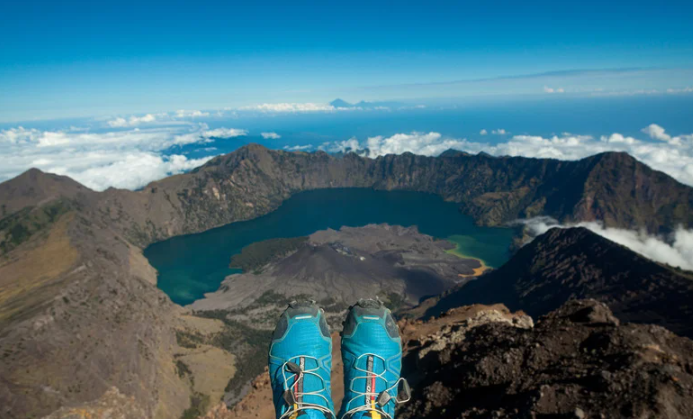
Some routes prioritize scenic value, offering crater lakes, panoramic viewpoints, and forest trails. These are ideal for travelers focused on photography or landscape appreciation.
Other routes focus on challenge, including steeper climbs and summit pushes. These suit experienced trekkers seeking physical achievement.
Time efficiency also matters. Certain routes may offer shorter access points or faster summit approaches.
On Mount Rinjani, route selection often determines whether trekkers experience only the crater rim or continue to the summit and lake zones.
Understanding route options ensures that the trekking package aligns with personal adventure goals.
Red Flags When Choosing a Trek Provider
Identifying warning signs before booking helps avoid poor trekking experiences. Not all trekking providers maintain professional standards.
Poor communication is one major red flag. Delayed responses or unclear information may reflect weak organization.
Hidden costs can create financial surprises. Reliable trekking packages should clearly explain pricing and inclusions.
Weak safety standards are a serious concern. Providers who cannot explain emergency procedures or guide qualifications may pose unnecessary risks.
Overcrowded group sizes can reduce guide attention and affect trail pacing.
Negative reviews about food quality, equipment condition, or guide professionalism should also be considered.
Researching providers carefully improves the chance of choosing a reliable and safe trekking experience.
Matching Trek Style With Your Travel Goals
The best trekking package is the one that matches personal travel goals. Different travelers seek different experiences, and understanding those priorities makes selection easier.
Adventure-focused travelers may prefer summit-driven packages with higher difficulty and longer routes.
Casual travelers may choose scenic trekking experiences that focus on views and cultural interaction rather than intense physical challenge.
Photography-focused travelers often benefit from packages that include sunrise summit timing, scenic camping spots, and slower pacing.
Travelers interested in cultural immersion may prioritize routes passing through local villages and traditional communities.
Matching trekking style with personal goals improves satisfaction because expectations align with the journey itself.
The right package is not always the hardest or most expensive, it is the one that best fits the traveler’s purpose.
Conclusion
Choosing the right trekking package requires careful consideration of difficulty level, duration, trekking style, and personal goals. Understanding what is included in a package, evaluating guide quality, and comparing budget versus premium options can significantly affect the trekking experience. Fitness level and route selection should always guide decision-making to ensure comfort and safety. Identifying red flags before booking also protects travelers from poor service or weak safety standards. For mountain destinations like Mount Rinjani, choosing the right package can make the difference between a stressful journey and a rewarding adventure. Smarter planning leads to stronger experiences, better memories, and a trekking journey that truly matches individual expectations.