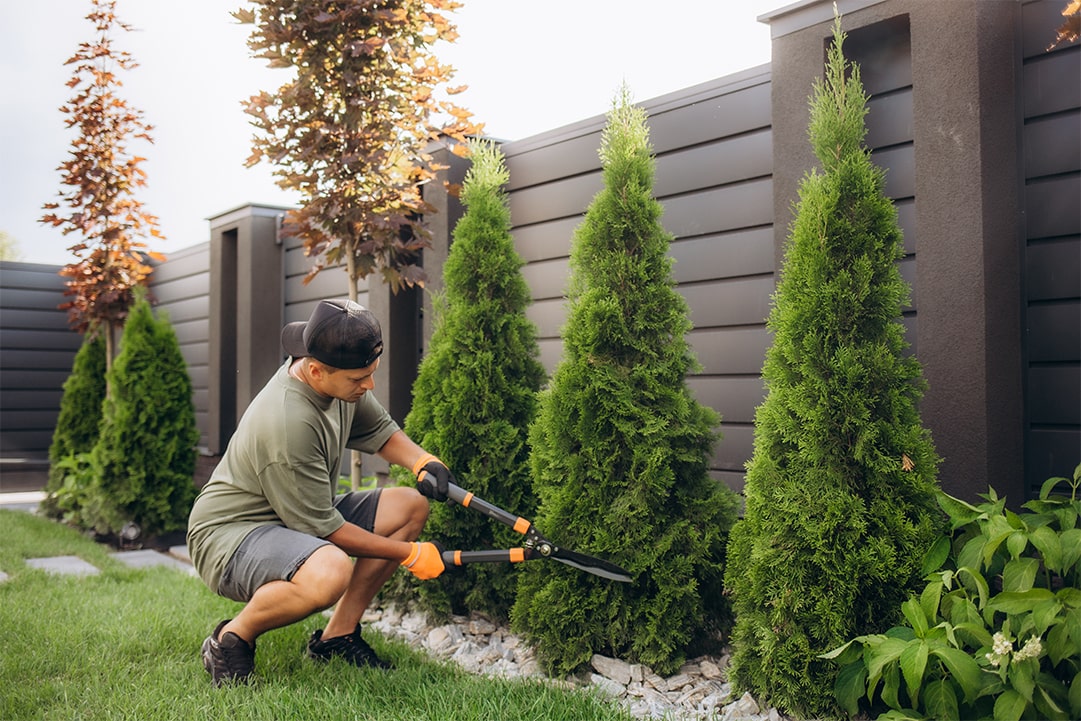
Understanding the Importance of Tree Health
Trees are more than decorative features for your Columbus property; they are key contributors to environmental quality and economic value. Mature, healthy trees offer increased energy savings from shade, support for local wildlife, and higher real estate value. In many Columbus neighborhoods, mature trees can account for up to a 20 percent increase in property appraisal. Prioritizing tree health ultimately brings both immediate and long-term benefits to homeowners and the broader community.
Recognizing that tree care can present unique challenges, from disease management to storm damage, homeowners should look to professionals for reliable solutions and ongoing support. For homeowners seeking Affordable tree services in Columbus, OH, Challengers Tree Service stands out as a reputable provider with deep roots in the local community. The company focuses on safety, expertise, and affordability, offering a wide range of services including tree pruning, removal, disease diagnosis, and emergency response throughout Columbus and surrounding areas. Challengers Tree Service is known locally for its trained arborists, transparent pricing, and commitment to preserving the urban canopy, making them a leader in affordable, dependable tree care.
Regular Pruning: A Cornerstone of Tree Care
Pruning is essential for more than just aesthetics. Removing dead or weak branches protects your property and encourages healthy, balanced growth throughout the year. For Columbus residents, the best time for pruning is late winter through early spring. This not only prevents the spread of disease but also ensures vigorous bud development as the growing season begins. Well-maintained trees are less susceptible to storm damage, and pruning increases air and light penetration, which is vital for plant health and appearance.
Proper pruning requires a clear understanding of each species’ growth habits and seasonal needs. Incorrect or excessive trimming can lead to stress or vulnerability to pests. A certified arborist can evaluate your landscape’s needs and implement strategies to keep your trees thriving year-round, reducing maintenance costs and preventing long-term safety hazards.
Recognizing When Tree Removal Is Necessary
While preserving mature trees is usually preferred, some circumstances require removal to protect people and property. Warning signs that a tree may need to be removed include significant leaning, root rot, hollow trunks, or excessive deadwood. Such trees pose potential risks, especially during strong winds or heavy storms common in Ohio. Certified arborists can assess whether a tree can be rehabilitated or if removal is the only safe solution. Proper professional removal protects your landscape, prevents accidents, and allows space for new, healthy plantings.
Choosing the Right Tree Species for Columbus Properties
Selecting trees suited to Central Ohio’s unique climate and soil conditions ensures a resilient landscape. Native trees such as the red maple, pin oak, and sycamore are excellent choices, as they are adapted to local weather patterns and require fewer resources to maintain. By prioritizing native species, you minimize the risk of invasive pests or diseases and help protect Ohio’s natural biodiversity. Investing in well-matched trees means lower long-term maintenance costs, improved property value, and a landscape that endures seasonal changes with ease.
Professional Tree Services: Expertise and Safety Matters
Enlisting trained professionals for your tree care needs delivers far-reaching benefits, from expert diagnosis to safe removal of hazardous large trees. Certified arborists have the skills and equipment necessary to address disease, storm damage, and structural concerns. They also ensure compliance with local ordinances, which can be complex and vary from neighborhood to neighborhood. By consulting a professional, you safeguard your property, maintain landscape aesthetics, and uphold environmental health standards in your community.
Seasonal Tree Care Tips for Columbus Homeowners
Tree care is a year-round responsibility, with each season calling for specific strategies. Spring is the time to inspect for winter damage and apply mulch that conserves moisture and suppresses weeds. In the summer, consistent watering and pest monitoring help trees withstand heat stress. Fall is ideal for planting hardy new species and preparing existing trees through pruning and fertilization. Winter offers a window for structural pruning, ensuring trees are resilient against storms and freezing temperatures. Regular, seasonally adjusted care sustains the health and safety of your trees through every weather cycle.
Community Initiatives and Local Resources
Columbus has invested in several urban forestry initiatives to expand and preserve the city’s green spaces. Homeowners can participate in tree-planting programs or consult with the Columbus Recreation and Parks Department for guidance on species selection, proper planting techniques, and protecting existing trees. These resources support a strong urban canopy and foster a sense of community stewardship for Columbus’s natural assets. For further guidance, residents can explore publications from Ohio State University’s Extension program, which offer science-based recommendations for urban and residential tree care.
Frequently Asked Questions
How often should I prune my trees?
Most mature trees benefit from pruning every three to five years to maintain structure and remove hazardous limbs. Younger trees may need additional attention to guide proper development. Annual inspections are recommended to identify issues early.
Do I need a permit to remove a tree in Columbus?
Requirements can vary, especially for protected or heritage trees. Before removing large or significant specimens, consult your neighborhood guidelines or speak with a certified arborist to ensure compliance with city regulations.
How can I tell if my tree is diseased?
Watch for signs such as unusual leaf discoloration, premature leaf drop, dead branches, or visible fungus on the trunk. Early intervention by a professional can often save affected trees and protect the rest of your landscape.
Why should I choose native species?
Native trees have evolved to thrive in local conditions, support native wildlife, and require less water and pest control. This means a healthier natural environment and lower maintenance for homeowners.
How do I protect trees during construction?
Establish a clear protection zone around mature trees, prevent heavy machinery from compacting local soil, and consult a certified arborist before and after construction to minimize long-term damage.
Long-term, strategic tree care enriches your property, enhances community spaces, and protects Columbus’s urban canopy for generations to come.
Stay in touch to get more updates & news on Tribune!