If you’ve ever noticed a cold breeze sneaking in from beneath your door during winter or warm air escaping while the air conditioner is running, you’ve probably wondered whether a door draft stopper is worth buying. These simple accessories are inexpensive, easy to install, and widely available, but do they actually make a noticeable difference?
The short answer is yes—door draft stoppers do work, but only when used in the right situations. They can reduce drafts, improve indoor comfort, and even help lower energy costs. However, they are not a complete solution for every air leak around a home.
In this guide, you’ll learn how door draft stoppers work, their advantages and disadvantages, the best places to use them, and when you may need a more permanent solution.
What Is a Door Draft Stopper?
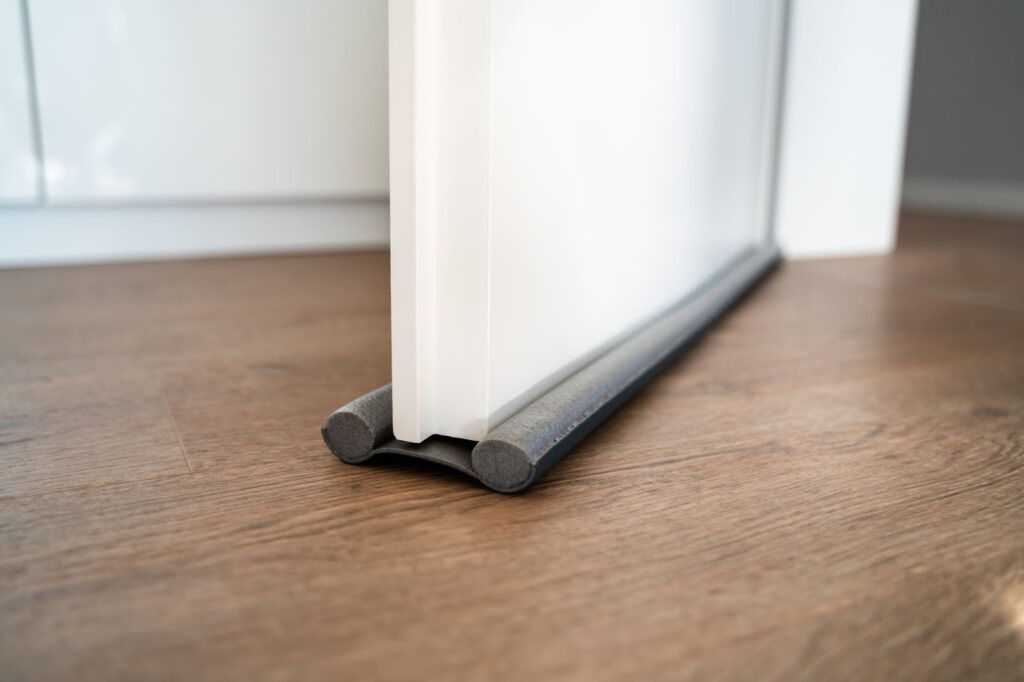
A door draft stopper is a barrier placed along the bottom edge of a door to reduce the movement of air between two spaces. It blocks small gaps that allow cold air, hot air, dust, insects, and noise to pass through.
Draft stoppers come in several styles, including:
- Fabric tubes filled with foam or sand
- Foam strips that slide under the door
- Rubber or silicone door sweeps
- Double-sided draft blockers
- Adjustable metal or plastic door seals
Some are removable and portable, while others are permanently attached to the door.
How Do Door Draft Stoppers Work?
Every door has a small gap between its bottom edge and the floor. While this gap allows the door to open and close smoothly, it also creates an easy path for outside air to enter.
A draft stopper fills this space by creating a physical seal. Instead of air flowing freely underneath the door, the stopper blocks most of the airflow.
This simple barrier can help maintain indoor temperatures by:
- Preventing cold air from entering during winter
- Keeping cooled air inside during summer
- Reducing unwanted airflow between rooms
- Limiting dust and outdoor debris
Although they don’t create a completely airtight seal, they significantly reduce unwanted drafts in many homes.
Do Door Draft Stoppers Really Save Energy?
Yes, they can contribute to energy savings, especially in homes with noticeable air leaks around exterior doors.
When heated or cooled air escapes through gaps beneath doors, your heating or cooling system must work harder to maintain the desired temperature. By reducing this air leakage, draft stoppers help improve overall energy efficiency.
The savings may not be dramatic on their own, but when combined with weather stripping, proper insulation, and sealed windows, they become part of an effective energy-saving strategy.
Pros of Door Draft Stoppers
1. Affordable Solution
One of the biggest advantages is the low cost. Most draft stoppers are much cheaper than replacing a door or installing new weather seals.
2. Easy Installation
Many models require no tools at all. Simply slide them beneath the door or place them against the gap.
Permanent door sweeps can usually be installed with just a screwdriver.
3. Improves Indoor Comfort
Even a small draft can make a room feel colder than it actually is. Blocking that airflow creates a more comfortable indoor environment.
4. Helps Reduce Energy Waste
Keeping conditioned air inside means your HVAC system doesn’t have to work as hard.
5. Blocks Dust and Dirt
Draft stoppers can prevent leaves, dust, pollen, and outdoor debris from entering underneath the door.
6. Reduces Noise
While they won’t soundproof a room, many draft stoppers noticeably reduce noise traveling under doors.
7. Keeps Out Small Insects
Tiny insects often enter through gaps beneath doors. A properly fitted draft stopper can help reduce this problem.
Cons of Door Draft Stoppers
1. Not a Complete Air-Sealing Solution
Air can still leak through the sides or top of the door if weather stripping is worn out.
2. Some Styles Move Out of Place
Fabric draft stoppers may shift when the door opens and closes frequently.
3. Can Wear Out Over Time
Foam materials may flatten, while fabric versions can become dirty or damaged with regular use.
4. May Interfere With Door Movement
If the stopper is too thick, the door may drag across the floor.
Choosing the correct size is important.
5. Less Effective on Uneven Floors
Draft stoppers work best on flat, even flooring. Large gaps or uneven surfaces reduce their effectiveness.
Best Places to Use Door Draft Stoppers
Exterior Front Doors
Front doors are one of the most common sources of drafts. A draft stopper can significantly reduce outside air entering your home.
Back Doors
Back entrances often experience heavy weather exposure, making them another ideal location.
Garage Entry Doors
If your garage isn’t climate-controlled, cold or hot air can easily enter the house through this doorway.
Basement Doors
Basements often stay cooler than the rest of the home. Blocking airflow beneath basement doors can improve indoor comfort.
Laundry Rooms
Draft stoppers help separate conditioned living spaces from utility rooms.
Home Offices
Reducing airflow beneath office doors can also reduce noise during meetings or work calls.
Bedrooms
If air conditioning or heating varies between rooms, a draft stopper can help maintain more consistent temperatures.
Where Draft Stoppers Are Less Effective
Although useful, draft stoppers aren’t the answer for every problem.
They may not help much if:
- The entire door frame is leaking air.
- Weather stripping is damaged.
- The door is warped.
- Large gaps exist around the sides.
- Windows are causing most of the heat loss.
In these cases, replacing weather seals or repairing the door may provide better results.
Different Types of Door Draft Stoppers
Fabric Draft Stoppers
These are the classic tube-shaped models filled with foam, cotton, or sand.
Best for: Temporary use and renters.
Double-Sided Foam Draft Stoppers
These slide beneath the door and move with it.
Best for: Frequently used interior doors.
Door Sweeps
Door sweeps attach directly to the bottom edge using screws or adhesive.
Best for: Permanent installations on exterior doors.
Automatic Door Bottom Seals
These specialized seals lower automatically when the door closes.
Best for: Offices, studios, and premium residential installations.
How to Choose the Right Draft Stopper
Before purchasing one, consider the following:
- Measure the width of your door.
- Check the height of the gap underneath.
- Decide whether you want a temporary or permanent solution.
- Consider the type of flooring (tile, hardwood, carpet, or vinyl).
- Choose durable materials if the door gets heavy daily use.
A properly sized draft stopper performs much better than a one-size-fits-all option.
Simple Maintenance Tips
Door draft stoppers require very little maintenance, but regular care helps them last longer.
- Vacuum or wipe off dust every few weeks.
- Wash fabric versions according to manufacturer instructions.
- Check adhesive-backed models for loosening.
- Replace worn foam when it becomes compressed.
- Inspect door sweeps annually for cracks or damage.
Regular inspection ensures they continue blocking drafts effectively.
Frequently Asked Questions
Do draft stoppers work in summer?
Yes. They help keep cool air inside while reducing the amount of warm outdoor air entering the home.
Can I use one on interior doors?
Absolutely. They’re useful for reducing noise, blocking light airflow, and separating rooms with different temperatures.
Are they safe for pets?
Most fabric and foam draft stoppers are safe, although curious pets may chew on soft materials. Choose durable products if you have active dogs or cats.
Will a draft stopper lower my energy bill?
It can contribute to lower heating and cooling costs by reducing air leakage, especially when combined with other energy-efficiency improvements.
How long do they last?
Quality door draft stoppers often last several years with normal use. Permanent door sweeps may last even longer when properly maintained.
Final Thoughts
Door draft stoppers may seem like a small home improvement accessory, but they can make a noticeable difference in comfort and energy efficiency. They’re inexpensive, simple to install, and effective at reducing drafts beneath doors, making them a practical solution for many homeowners and renters alike.
However, it’s important to understand their limitations. A draft stopper won’t solve every air leak, especially if gaps exist around the sides of the door or the frame itself. For the best results, combine a quality draft stopper with well-maintained weather stripping and properly sealed doors and windows.
If your goal is to create a warmer home in winter, keep cool air inside during summer, reduce dust, or minimize outside noise, a well-fitted door draft stopper is a small upgrade that can provide everyday benefits without requiring a major investment.