Whether you’re hanging a picture frame, cleaning gutters, painting a room, or trimming tree branches, having the right ladder can make your work easier and much safer. Many first-time homeowners and DIY enthusiasts assume that any ladder will do the job, but that’s one of the most common mistakes beginners make. Choosing the wrong ladder can lead to discomfort, damaged property, or even serious injuries.
If you’re buying your first ladder, you may notice there are many different types, materials, sizes, and safety ratings available. It can feel overwhelming at first, but understanding a few basics will help you make the right decision.
This beginner’s guide explains everything you need to know about choosing the right ladder for home projects. By the end, you’ll understand which ladder fits your needs, what safety features to look for, and how to use your ladder with confidence.
Why Choosing the Right Ladder Matters
A ladder isn’t just another household tool. It’s equipment that supports your entire body while you’re working above the ground. Using the wrong ladder can create unnecessary risks and make simple tasks much harder than they need to be.
The right ladder offers several benefits:
- Better stability while working
- Improved safety
- Greater comfort
- Easier access to high places
- Longer-lasting performance
- Better value for your money
Instead of buying the cheapest ladder available, think about the projects you’ll actually use it for. A little planning now can save you from buying another ladder later.
Start by Thinking About Your Home Projects
Before shopping for a ladder, make a list of the jobs you expect to do around your home.
For example, you might use a ladder for:
- Painting walls and ceilings
- Replacing light bulbs
- Cleaning ceiling fans
- Installing shelves
- Hanging curtains
- Washing windows
- Cleaning gutters
- Roof inspections
- Tree trimming
- Holiday decorating
Different jobs require different ladder styles. Someone who only changes light bulbs doesn’t need the same ladder as someone who frequently works outdoors.
Understand the Main Types of Ladders
One of the easiest ways to narrow your options is by learning about the most common ladder types.
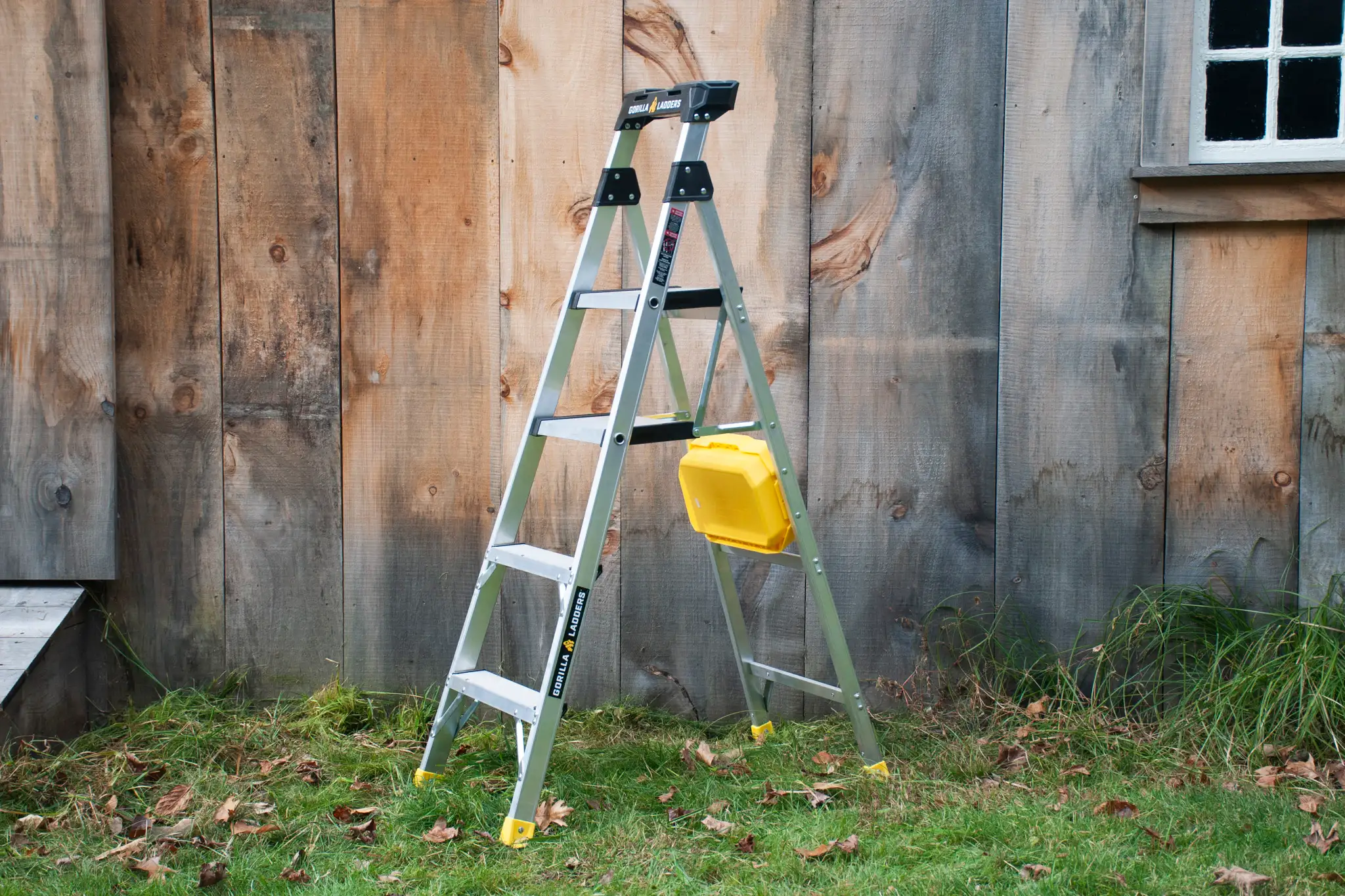
Step Ladder
A step ladder is one of the most popular choices for beginners. It stands on its own without needing support from a wall.
It’s perfect for:
- Indoor repairs
- Painting
- Decorating
- Cleaning
- Reaching kitchen cabinets
Pros:
- Easy to move
- Self-supporting
- Great for everyday household tasks
Cons:
- Limited height
- Not suitable for roof access
Extension Ladder
An extension ladder consists of two sections that slide apart to reach greater heights.
It’s commonly used for:
- Roof repairs
- Cleaning gutters
- Exterior painting
- Tree maintenance
Pros:
- Reaches high places
- Adjustable length
Cons:
- Requires a stable surface
- Needs proper setup for safety
Multi-Position Ladder
These ladders can be adjusted into several different shapes and positions.
They can work as:
- Step ladders
- Extension ladders
- Stair ladders
- Work platforms
Pros:
- Extremely versatile
- Saves storage space
- Great for homeowners with various projects
Cons:
- Usually more expensive
- Slightly heavier
Platform Ladder
A platform ladder includes a larger standing area near the top.
It’s ideal for:
- Painting
- Long repair jobs
- Electrical work
The wider standing platform helps reduce fatigue during extended tasks.
Choose the Right Ladder Height
A common beginner mistake is buying the tallest ladder available.
In reality, your ladder should match the height you’ll actually reach most often.
For example:
- 4-foot step ladder: cabinets and counters
- 6-foot step ladder: standard ceilings
- 8-foot step ladder: higher ceilings
- Extension ladders: outdoor projects and roofs
Remember that you should never stand on the top step of a step ladder or the highest recommended rung of an extension ladder.
Choosing the proper height helps you work comfortably without overreaching.
Pay Attention to Weight Capacity
Every ladder has a maximum weight rating.
This includes:
- Your body weight
- Clothing
- Shoes
- Tool belt
- Paint cans
- Power tools
- Materials you’re carrying
Most ladders fall into different duty ratings.
Common ratings include:
- Type III – Light household use
- Type II – Medium-duty homeowner projects
- Type I – Heavy-duty work
- Type IA – Extra heavy-duty
- Type IAA – Professional heavy-duty work
For most homeowners, a Type II or Type I ladder provides plenty of strength and flexibility.
Pick the Best Ladder Material
Ladders are made from several materials, each with its own strengths.
Aluminum Ladders
Advantages:
- Lightweight
- Rust-resistant
- Easy to carry
- Affordable
Disadvantages:
- Conducts electricity
- Not suitable for electrical work
Fiberglass Ladders
Advantages:
- Non-conductive
- Strong
- Weather-resistant
- Ideal for electrical repairs
Disadvantages:
- Heavier
- More expensive
Wooden Ladders
Advantages:
- Traditional appearance
- Durable when maintained
Disadvantages:
- Heavy
- Can absorb moisture
- Requires regular maintenance
For most beginners, aluminum works well for general household use, while fiberglass is the safer choice if electrical work may be involved.
Look for Helpful Safety Features
Modern ladders often include features that improve stability and reduce accidents.
Useful features include:
- Non-slip rubber feet
- Wide steps
- Locking hinges
- Tool trays
- Handrails
- Slip-resistant treads
- Stabilizer bars
- Platform standing areas
Although these features may slightly increase the price, they greatly improve safety and convenience.
Think About Storage Space
Before buying a ladder, consider where you’ll store it.
Ask yourself:
- Will it fit in the garage?
- Can it hang on a wall?
- Will it fit inside a storage shed?
- Is it easy to carry upstairs?
If storage is limited, folding or multi-position ladders are excellent space-saving choices.
Common Beginner Mistakes
Avoid these mistakes when choosing your first ladder.
Buying Based Only on Price
A cheaper ladder may not provide the stability or durability you need.
Ignoring Weight Ratings
Always include the weight of your tools when checking capacity.
Choosing Too Much Height
An oversized ladder can be harder to move and more dangerous if used incorrectly.
Using Indoor Ladders Outside
Some ladders are designed only for indoor use. Outdoor conditions often require stronger, weather-resistant models.
Skipping Safety Checks
Before every use, inspect your ladder for:
- Loose hinges
- Bent rails
- Damaged steps
- Worn rubber feet
- Cracks
- Rust
Even a small defect can become a serious safety hazard.
Ladder Safety Tips Every Beginner Should Know
Using a ladder safely is just as important as choosing the right one.
Follow these simple guidelines:
- Always place the ladder on level ground.
- Keep three points of contact while climbing.
- Never lean too far to one side.
- Face the ladder while climbing.
- Wear shoes with good grip.
- Keep children away from the work area.
- Never exceed the maximum weight limit.
- Avoid using ladders during strong winds or storms.
- Read the manufacturer’s instructions before first use.
Taking a few extra minutes to set up your ladder correctly can prevent many common accidents.
Frequently Asked Questions
What is the best ladder for first-time homeowners?
A 6-foot step ladder is often the best all-around choice because it works well for most indoor household projects.
Is fiberglass better than aluminum?
Fiberglass is safer for electrical work because it does not conduct electricity. Aluminum is lighter and easier to carry for general home maintenance.
How tall should my ladder be?
Choose a ladder based on the height you’ll reach most often rather than buying the tallest option available.
Can one ladder handle every home project?
Not always. A multi-position ladder is the closest option to an all-in-one solution, but some specialized tasks may require a dedicated ladder.
How often should I inspect my ladder?
Check your ladder before every use to ensure it is clean, stable, and free from damage.
Final Thoughts
Choosing the right ladder doesn’t have to be complicated. By considering the type of projects you’ll tackle, the height you need, the ladder’s weight rating, and the material it’s made from, you can find a reliable option that serves you well for years.
For beginners and first-time buyers, safety should always come before price. A well-built ladder with the right features provides confidence, stability, and peace of mind every time you climb. Whether you’re completing small indoor repairs or taking on larger outdoor projects, investing in the right ladder is one of the smartest decisions you can make for your home improvement toolkit.