As energy costs continue to rise and environmental concerns become more important, many homeowners are looking for practical ways to make their homes more sustainable. Fortunately, going green doesn’t always require expensive renovations or major construction. Many eco-friendly home improvements are affordable, easy to implement, and can reduce both your monthly utility bills and your environmental impact.
An energy-efficient home is not only better for the planet but also more comfortable, healthier, and more valuable. Whether you’re planning a full renovation or making small upgrades over time, investing in sustainable improvements can provide long-term financial savings while creating a more efficient living space.
In this guide, we’ll explore the best eco-friendly home improvement ideas that help save money, conserve energy, and increase the value of your property.
Why Choose Eco-Friendly Home Improvements?
Eco-friendly home improvements focus on reducing energy consumption, conserving water, minimizing waste, and using sustainable materials. These upgrades often pay for themselves over time through lower utility bills and reduced maintenance costs.
Some of the biggest benefits include:
- Lower electricity and water bills
- Reduced carbon footprint
- Improved indoor air quality
- Increased home comfort
- Higher property value
- Longer-lasting home systems
- Reduced maintenance expenses
Even small improvements can make a noticeable difference over the years.
Upgrade to Energy-Efficient Windows
Old or poorly sealed windows allow heated and cooled air to escape, forcing your HVAC system to work harder.
Replacing outdated windows with energy-efficient models improves insulation and helps maintain consistent indoor temperatures throughout the year.
Benefits
- Lower heating and cooling costs
- Reduced outside noise
- Improved comfort
- Better energy efficiency
- Increased property value
If replacing windows isn’t in your budget, sealing gaps with weather stripping and caulk can still improve efficiency.
Improve Home Insulation
Insulation is one of the most effective ways to reduce energy loss.
Many homes lose significant amounts of heat through poorly insulated attics, walls, crawl spaces, and basements.
Areas to Insulate
- Attic
- Exterior walls
- Basement
- Crawl spaces
- Garage ceilings
- Around pipes
Proper insulation helps your heating and cooling systems operate more efficiently throughout every season.
Install a Smart Thermostat
Smart thermostats automatically adjust temperatures based on your schedule and occupancy.
Instead of heating or cooling an empty home, the thermostat learns your routine and reduces unnecessary energy use.
Advantages
- Lower utility bills
- Better indoor comfort
- Remote temperature control
- Automated scheduling
- Reduced energy waste
This upgrade often pays for itself through long-term energy savings.
Switch to LED Lighting
Replacing traditional incandescent bulbs with LED lighting is one of the simplest eco-friendly improvements.
LED bulbs:
- Use significantly less electricity
- Produce less heat
- Last much longer
- Require fewer replacements
Replacing every light bulb in your home with LEDs can noticeably reduce electricity usage over time.
Install Low-Flow Water Fixtures
Water conservation is another important part of sustainable living.
Low-flow fixtures reduce water usage without sacrificing performance.
Consider upgrading:
- Showerheads
- Bathroom faucets
- Kitchen faucets
- Toilets
These improvements lower both water consumption and water heating costs.
Upgrade to Energy-Efficient Appliances
Older appliances often consume much more electricity and water than newer models.
When replacing household equipment, look for high-efficiency appliances such as:
- Refrigerators
- Washing machines
- Dishwashers
- Dryers
- Air conditioners
Although energy-efficient appliances may cost more initially, they often reduce operating expenses over many years.
Install Solar Panels
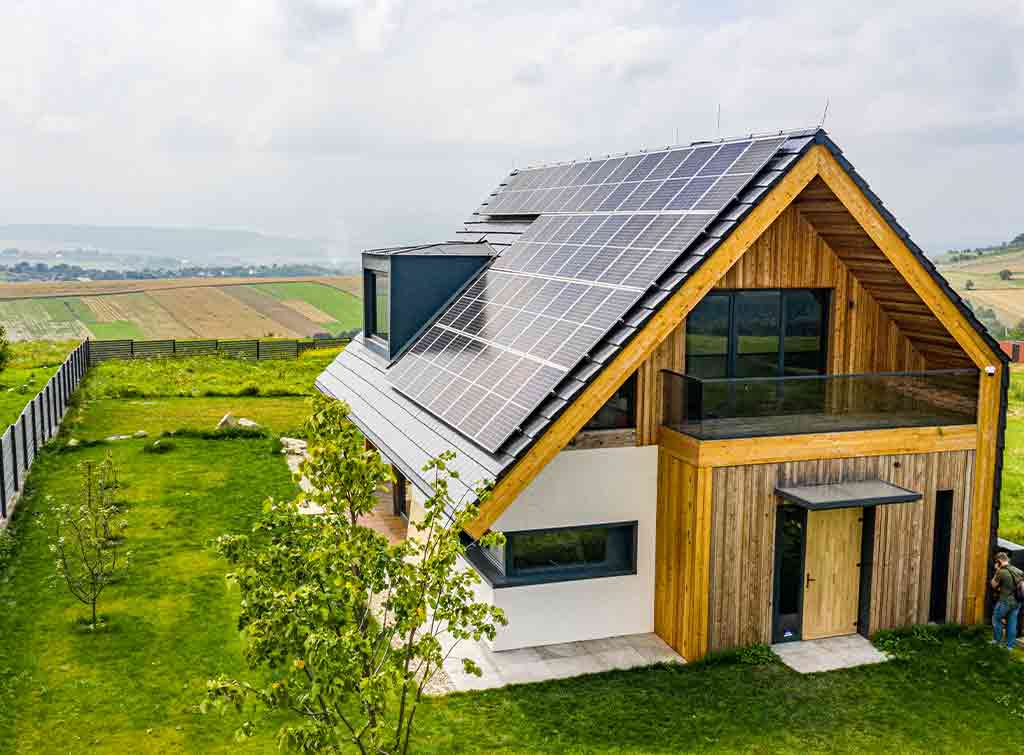
Solar panels are among the most impactful eco-friendly home upgrades.
They generate electricity using sunlight, reducing dependence on the electrical grid.
Benefits
- Lower electricity bills
- Renewable energy production
- Increased property value
- Reduced carbon emissions
- Long-term energy savings
While the upfront investment can be substantial, many homeowners recover the cost through years of reduced energy expenses.
Seal Air Leaks
Tiny air leaks around windows, doors, pipes, and vents allow conditioned air to escape.
Common areas to inspect include:
- Door frames
- Window frames
- Attic openings
- Electrical outlets
- Plumbing penetrations
- Fireplace surrounds
Sealing these gaps improves comfort while reducing heating and cooling costs.
Upgrade Your Roof
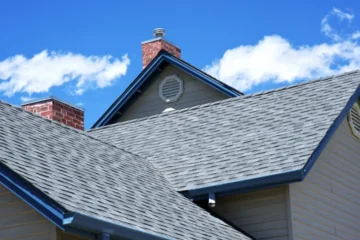
Modern roofing materials can improve energy efficiency by reflecting more sunlight and reducing heat absorption.
Cool roofing materials help keep homes cooler during hot weather, reducing air conditioning demand.
When replacing your roof, consider energy-efficient roofing products designed for your climate.
Install Ceiling Fans
Ceiling fans improve air circulation throughout the home.
During summer, they create a cooling effect that allows homeowners to raise thermostat settings without sacrificing comfort.
In winter, reversing the fan direction helps distribute warm air more evenly.
Use Sustainable Flooring Materials
If you’re replacing flooring, consider environmentally friendly options such as:
- Bamboo
- Cork
- Reclaimed wood
- Recycled tile
- Natural linoleum
These materials are renewable, durable, and often require fewer resources to produce than traditional flooring options.
Choose Eco-Friendly Paint
Many conventional paints contain volatile organic compounds (VOCs) that affect indoor air quality.
Low-VOC or zero-VOC paints provide a healthier alternative while producing fewer harmful emissions.
These products are especially beneficial for families with children, pets, or allergy sufferers.
Install Water-Efficient Irrigation Systems
Outdoor water use can account for a significant portion of household water consumption.
Smart irrigation systems use weather data and soil moisture sensors to water only when necessary.
Additional water-saving landscaping practices include:
- Mulching garden beds
- Using native plants
- Installing drip irrigation
- Collecting rainwater
These methods help maintain healthy landscapes while reducing water waste.
Replace Old HVAC Equipment
Older heating and cooling systems often operate inefficiently.
Modern high-efficiency HVAC systems:
- Use less electricity
- Provide better temperature control
- Improve indoor air quality
- Reduce monthly utility bills
Regular maintenance also helps existing systems perform more efficiently.
Install Programmable Outdoor Lighting
Outdoor lighting improves security but can also waste electricity if left on unnecessarily.
Energy-saving options include:
- Motion-sensor lights
- Solar-powered lights
- LED landscape lighting
- Timers
- Smart lighting systems
These solutions reduce electricity consumption while keeping your property well-lit.
Upgrade to Energy-Efficient Doors
Exterior doors play an important role in maintaining indoor temperatures.
Replacing old doors with insulated models helps reduce drafts and improve energy efficiency.
Proper weather stripping around doors further enhances performance.
Harvest Rainwater
Rainwater collection systems capture water from your roof for outdoor use.
Collected water can be used for:
- Watering gardens
- Washing vehicles
- Cleaning outdoor surfaces
- Irrigating landscaping
Rainwater harvesting reduces municipal water usage and helps lower utility costs.
Install Solar Water Heating
Traditional water heaters consume a significant amount of household energy.
Solar water heating systems use sunlight to warm water before it enters your conventional heater, reducing energy consumption.
This environmentally friendly solution works particularly well in sunny climates.
Improve Natural Lighting
Maximizing natural daylight reduces the need for artificial lighting during the day.
Ways to improve natural light include:
- Installing skylights
- Enlarging windows
- Using lighter wall colors
- Adding mirrors
- Keeping windows clean
Natural light also creates a brighter, more inviting living environment.
Use Recycled Building Materials
During renovations, consider using recycled or reclaimed materials whenever possible.
Examples include:
- Reclaimed wood
- Recycled metal
- Recycled glass countertops
- Salvaged bricks
- Recycled insulation
These materials reduce landfill waste while giving your home unique character.
Plant Shade Trees
Landscaping can improve energy efficiency.
Strategically planted trees provide natural shade during summer, reducing indoor temperatures and lowering cooling costs.
In winter, deciduous trees lose their leaves, allowing sunlight to warm the home naturally.
Create an Energy-Efficient Home Office
For remote workers, home offices can consume significant energy.
Eco-friendly improvements include:
- LED desk lighting
- Energy-efficient computers
- Smart power strips
- Natural daylight
- Programmable thermostats
These upgrades reduce electricity consumption while improving productivity.
Reduce Standby Power Consumption
Many electronics continue using electricity even when turned off.
Common examples include:
- Televisions
- Gaming consoles
- Chargers
- Printers
- Coffee makers
Using smart power strips automatically disconnects devices when they are not in use, reducing unnecessary energy consumption.
Maintain Your Home Regularly
Proper maintenance is one of the most overlooked eco-friendly practices.
Regularly:
- Replace HVAC filters.
- Clean refrigerator coils.
- Repair plumbing leaks.
- Service heating and cooling equipment.
- Clean dryer vents.
- Inspect insulation.
Well-maintained systems operate more efficiently and last longer.
Build an Eco-Friendly Home Improvement Plan
Trying to complete every upgrade at once can become expensive.
Instead, prioritize improvements based on:
- Current energy usage
- Budget
- Expected savings
- Home condition
- Climate
- Long-term goals
Starting with simple upgrades often creates immediate savings that help fund future improvements.
Final Thoughts
Eco-friendly home improvements are a smart investment for homeowners who want to reduce energy costs, conserve natural resources, and create a more comfortable living environment. From simple changes like replacing light bulbs with LEDs and sealing air leaks to larger projects such as installing solar panels or upgrading insulation, every improvement contributes to a more efficient and sustainable home.
The best approach is to start with upgrades that offer the greatest impact for your budget. Over time, these improvements can lower monthly utility bills, reduce maintenance expenses, increase property value, and lessen your environmental footprint. By making thoughtful, sustainable choices today, you can enjoy long-term savings while creating a home that is healthier, more efficient, and better prepared for the future.
Frequently Asked Questions
Which eco-friendly home improvement saves the most money?
Improving insulation, sealing air leaks, upgrading to energy-efficient windows, installing a smart thermostat, and replacing old HVAC equipment often provide some of the greatest long-term savings by reducing heating and cooling costs.
Are solar panels worth the investment?
For many homeowners, solar panels can significantly reduce electricity bills over time. The financial benefits depend on factors such as local electricity rates, available sunlight, installation costs, and any incentives that may be available in your area.
Can small eco-friendly upgrades make a difference?
Yes. Switching to LED lighting, installing low-flow fixtures, sealing air leaks, using smart power strips, and replacing worn weather stripping are relatively inexpensive improvements that can lower utility bills and improve your home’s efficiency.
Do eco-friendly upgrades increase home value?
Many buyers are attracted to homes with energy-efficient features because they offer lower operating costs and greater comfort. Upgrades such as efficient windows, modern insulation, smart thermostats, and solar energy systems can make a property more appealing in the real estate market.