Choosing paint used to be a fairly simple decision. Most homeowners focused on color, finish, and price. Today, the conversation has changed. More people are paying attention to what paint is made of, how long it lasts, how it affects indoor air quality, and whether it is environmentally responsible.
One product that has gained increasing attention is mineral-based paint. Once used mainly on historic buildings and specialty projects, it is now becoming a popular option for modern homes. Homeowners appreciate its natural ingredients, breathable finish, and long-lasting durability.
If you’ve noticed more designers, builders, or renovation experts talking about mineral paints, you’re probably wondering what makes them different from traditional paints. Here’s everything you should know before deciding whether they’re the right choice for your home.
What Is Mineral-Based Paint?
Mineral-based paint is made primarily from natural minerals rather than petroleum-based synthetic ingredients. Most mineral paints use potassium silicate, lime, clay, or other naturally occurring minerals as their binding agents.
Unlike conventional acrylic or latex paints that create a plastic-like coating over the surface, mineral paint bonds with the surface itself. This creates a finish that becomes part of the wall instead of simply sitting on top of it.
Because of this unique chemical bond, mineral paints often last much longer than many standard interior and exterior paints.
Why More Homeowners Are Choosing Mineral Paints
The growing interest isn’t simply a design trend. Several practical benefits are encouraging homeowners to make the switch.
Better Indoor Air Quality
One of the biggest reasons is the reduced level of harmful chemicals.
Many traditional paints contain volatile organic compounds (VOCs), which release gases into the air while the paint dries. Although many low-VOC options now exist, mineral paints naturally contain very little or no VOCs.
For families with children, pets, or anyone sensitive to strong paint odors, this can make the painting process much more comfortable.
The lack of heavy chemical smells is also appreciated during renovations when people continue living inside the home.
Exceptional Durability
Mineral-based paints are known for their impressive lifespan.
Instead of forming a flexible film that may peel or crack over time, they chemically bond with masonry and other suitable surfaces. This bond helps the paint resist peeling, blistering, and flaking.
In many cases, properly applied mineral paint can remain attractive for decades with very little maintenance.
For homeowners who prefer fewer repainting projects, this long lifespan can become a significant advantage.
Breathable Walls
One feature that separates mineral paint from many traditional products is breathability.
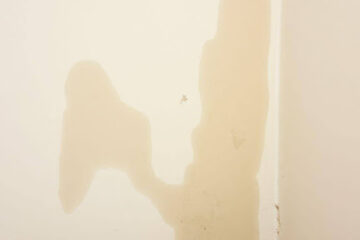
Walls naturally absorb and release small amounts of moisture throughout the year. Conventional paints can trap that moisture beneath the surface.
Mineral paint allows water vapor to escape while still protecting the wall.
This helps reduce problems like:
- Peeling paint
- Trapped moisture
- Mold growth
- Damp patches
- Surface bubbling
This breathable characteristic is especially valuable in older homes built with brick, stone, or lime plaster.
Natural Appearance
Mineral paints create a finish that many homeowners describe as soft, rich, and timeless.
Instead of looking glossy or plastic-like, the finish often has a matte appearance that enhances the natural texture of the wall.
As lighting changes throughout the day, mineral-painted walls can display subtle depth and character that many synthetic paints struggle to achieve.
This is one reason designers frequently recommend mineral paints for luxury interiors and restoration projects.
Excellent UV Resistance
Sunlight slowly breaks down many traditional paints.
Exterior walls exposed to years of direct sunlight often begin fading, chalking, or discoloring.
Mineral pigments are naturally resistant to ultraviolet light, helping colors remain stable for much longer.
For homeowners living in sunny climates, this can mean fewer repainting projects over the years.
Environmentally Friendly Choice
Many homeowners now consider sustainability when choosing building materials.
Mineral-based paints often contain:
- Natural minerals
- Minimal synthetic chemicals
- Low VOC levels
- Fewer petroleum-based ingredients
Some manufacturers also use environmentally responsible production methods and recyclable packaging.
Although every product differs, mineral paints generally have a smaller environmental footprint compared to many conventional paints.
Where Mineral Paint Works Best
Mineral paint performs especially well on mineral surfaces.
These include:
- Brick
- Stone
- Concrete
- Cement render
- Lime plaster
- Stucco
- Masonry
Some newer mineral paint formulations are also designed for drywall and previously painted walls, but checking manufacturer recommendations before application is always important.
Not every surface is suitable for every mineral paint product.
Interior or Exterior?
Many people assume mineral paint is only for exterior walls.
In reality, it works beautifully indoors as well.
Popular interior applications include:
- Living rooms
- Bedrooms
- Hallways
- Kitchens
- Home offices
- Feature walls
Outside, mineral paints are commonly used on:
- Brick homes
- Stone facades
- Garden walls
- Chimneys
- Historic buildings
- Stucco finishes
Their weather resistance makes them especially attractive for exterior projects.
Does Mineral Paint Cost More?
Yes, mineral paint usually has a higher purchase price than standard latex paint.
However, looking only at the price per gallon doesn’t tell the full story.
Because mineral paint often lasts much longer, homeowners may repaint less frequently.
When considering:
- Labor costs
- Surface preparation
- Future repainting
- Maintenance
the long-term value can become surprisingly competitive.
For many homeowners, durability outweighs the higher initial investment.
Are There Any Drawbacks?
No paint is perfect for every situation.
Mineral paints also have a few limitations.
Surface Compatibility
They work best on mineral surfaces.
Some glossy painted walls or synthetic finishes require special preparation before mineral paint can be applied.
Color Selection
Although modern manufacturers offer many attractive colors, the selection may not be as extensive as some conventional paint brands.
Those seeking highly vibrant or unusual shades may find fewer options.
Professional Application
Applying mineral paint isn’t necessarily difficult, but proper preparation is important.
Incorrect application can reduce its performance.
For large exterior projects or historic homes, many homeowners prefer hiring professionals familiar with mineral paint systems.
Mineral Paint vs Traditional Latex Paint
Here’s a simple comparison.
| Feature | Mineral-Based Paint | Traditional Latex Paint |
|---|---|---|
| Main ingredients | Natural minerals | Acrylic or vinyl polymers |
| VOC levels | Usually very low | Varies by product |
| Breathability | Excellent | Moderate |
| Durability | Very high | Good |
| UV resistance | Excellent | Moderate |
| Mold resistance | Naturally good | Depends on additives |
| Appearance | Matte, natural finish | Wide variety of finishes |
| Maintenance | Low | Moderate |
Both options have their place, but mineral paint excels when durability and breathability are priorities.
Is Mineral Paint Right for Every Home?
Not necessarily.
If you’re repainting standard interior drywall in a rental property where cost is the main concern, traditional quality latex paint may still make sense.
However, mineral paint is worth considering if you:
- Want a longer-lasting finish
- Prefer natural building materials
- Are restoring an older home
- Need breathable walls
- Want fewer repainting projects
- Value environmentally friendly products
- Prefer a soft, timeless appearance
The decision ultimately depends on your home’s construction, budget, and long-term goals.
Final Thoughts
Mineral-based paints are becoming increasingly popular because they offer more than just color. They provide durability, breathability, low chemical emissions, and a natural finish that many homeowners appreciate.
While they may cost more upfront and require careful application, their long lifespan and low maintenance needs often make them a worthwhile investment. Whether you’re restoring a historic property or simply looking for a healthier, more durable alternative to conventional paint, mineral-based paint deserves a place on your shortlist.
As homeowners continue to prioritize sustainability, indoor comfort, and long-term value, it’s easy to see why mineral-based paints are gaining attention. They combine traditional materials with modern performance, making them a practical choice for homes that are built to last.