Modern homes are changing the way people think about storage. For years, adding more cabinets was considered the easiest solution for organizing clothes, kitchen items, books, electronics, and everyday belongings. However, many homeowners are now realizing that more cabinets do not always mean better storage. Large cabinets can make rooms feel crowded, reduce usable space, and create a bulky appearance.
This is why hidden storage walls are becoming a popular choice in modern home design. These smart storage solutions use unused wall areas, built-in sections, and creative design techniques to provide more storage without making a room feel smaller. Instead of adding visible cabinets everywhere, homeowners are creating cleaner spaces where storage blends naturally into the home’s architecture.
Hidden storage walls are not just about saving space. They also improve organization, enhance interior design, and help create a more comfortable living environment.
What Are Hidden Storage Walls?
Hidden storage walls are built-in storage systems designed to look like part of the wall rather than separate furniture pieces. They can include concealed shelves, sliding panels, hidden compartments, built-in wardrobes, fold-away desks, and storage areas behind decorative wall surfaces.
Unlike traditional cabinets that stand out from the room, hidden storage walls are integrated into the structure of the home. They may appear as a normal wall, a decorative panel, or a simple design feature until they are opened or accessed.
For example, a living room wall may contain:
- A television panel with hidden shelves behind it
- Storage compartments behind wooden panels
- Built-in bookshelves with concealed doors
- Hidden drawers under wall sections
- Foldable workspaces inside wall units
The main idea is to maximize storage while keeping the room visually clean.
Why Homeowners Are Moving Away From Traditional Cabinets
Cabinets are still useful, but they come with several limitations. Large cabinet installations often require significant floor space, which can be challenging in smaller homes and apartments.
Modern homeowners increasingly prefer open layouts where rooms feel larger and brighter. Traditional cabinets can interrupt this feeling by creating heavy visual blocks.
Hidden storage walls solve this problem by using vertical space instead of taking away valuable floor area.
A well-designed storage wall can provide similar or even greater storage capacity while maintaining a minimalist appearance.
Better Use of Small Spaces
One of the biggest reasons hidden storage walls are becoming popular is the rise of smaller homes, apartments, and compact living spaces.
Many urban homeowners have limited square footage and need solutions that make every inch useful. Empty walls often represent wasted potential.
A hidden storage wall can transform unused areas into practical storage zones.
Examples include:
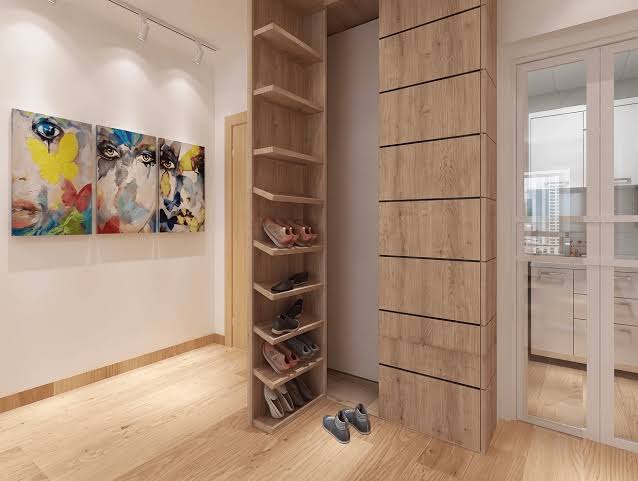
- A narrow hallway converted into a shoe and coat storage wall
- A bedroom wall transformed into a built-in wardrobe
- A staircase wall used for hidden drawers
- A kitchen wall designed with concealed appliance storage
These solutions help homeowners avoid filling rooms with extra furniture.
Creating a Cleaner and More Minimal Interior
Interior design trends are moving toward simple, organized, and clutter-free spaces. Many homeowners want their homes to feel calm rather than overwhelmed by visible belongings.
Hidden storage walls support this design approach because they allow everyday items to stay accessible but out of sight.
Instead of seeing piles of books, electronics, toys, or household supplies, homeowners can keep everything organized behind carefully designed panels.
This creates a more relaxing environment and gives rooms a more modern appearance.
Hidden Storage Walls Improve Home Functionality
Good storage is not only about having more space. It is about making items easier to find and use.
Poorly planned storage often leads to crowded cabinets where items become difficult to access. Hidden storage walls can be customized based on specific household needs.
For example:
A family with children may include hidden toy storage.
A remote worker may add a fold-away office area.
A cooking enthusiast may create concealed kitchen appliance storage.
A homeowner who loves books may design a hidden library wall.
Because these systems are custom-built, they can match the lifestyle of the people living in the home.
Popular Types of Hidden Storage Wall Designs
There are many ways homeowners are incorporating hidden storage walls into modern interiors.
Built-In Wardrobe Walls
Instead of separate wardrobes taking up bedroom space, entire walls can become storage areas. These designs often include sliding doors, concealed handles, and interior lighting.
They create a luxury hotel-style appearance while providing practical clothing storage.
Hidden Entertainment Walls
Living rooms often require storage for televisions, gaming equipment, speakers, and media devices. A hidden entertainment wall can keep cables, accessories, and electronics organized.
Folding Workstation Walls
With more people working remotely, hidden office walls have become increasingly useful. A small desk, shelves, and storage can disappear into the wall when not needed.
Kitchen Storage Walls
Modern kitchens are moving beyond traditional upper cabinets. Full-height storage walls can hide ovens, refrigerators, pantry areas, and small appliances behind sleek panels.
Are Hidden Storage Walls More Expensive Than Cabinets?
The cost depends on the design, materials, and complexity of installation. In many cases, custom hidden storage walls can cost more upfront than standard cabinets because they require careful planning and professional craftsmanship.
However, homeowners should consider long-term value.
A well-designed storage wall can:
- Improve daily organization
- Increase usable space
- Enhance home appearance
- Reduce the need for additional furniture
- Potentially improve property appeal
For homeowners planning a renovation, investing in smarter storage can provide better results than simply adding more cabinets.
Things to Consider Before Installing Hidden Storage Walls
Although hidden storage walls offer many advantages, they require proper planning.
Homeowners should consider:
Available Wall Space
Not every wall can support built-in storage. Structural elements, plumbing, electrical wiring, and ventilation systems must be checked before installation.
Future Needs
Storage requirements often change over time. A design that works today should still be useful years later.
Accessibility
Hidden storage should not become difficult to access. The best designs combine a clean appearance with practical daily use.
Quality Materials
Since storage walls are often built into the home structure, using durable materials is important. Poor-quality materials can lead to repairs and replacements later.
The Future of Home Storage Design
As homes become smarter and more space-conscious, hidden storage solutions are likely to continue growing in popularity.
Future designs may include automated storage systems, smart lighting inside compartments, motorized panels, and AI-assisted home organization features.
The focus is shifting from simply adding more storage to creating intelligent spaces that work better for modern lifestyles.
Homeowners are no longer asking, “Where can we put another cabinet?” Instead, they are asking, “How can our home work smarter?”
Final Thoughts
Hidden storage walls represent a major shift in modern home design. They combine functionality, organization, and aesthetics by turning unused wall space into valuable storage areas.
While traditional cabinets still have their place, hidden storage solutions offer a cleaner and more flexible approach for homeowners who want spacious, organized, and stylish interiors.
As homes continue to become smaller, smarter, and more personalized, hidden storage walls will likely become an important feature in future renovations and new construction projects.