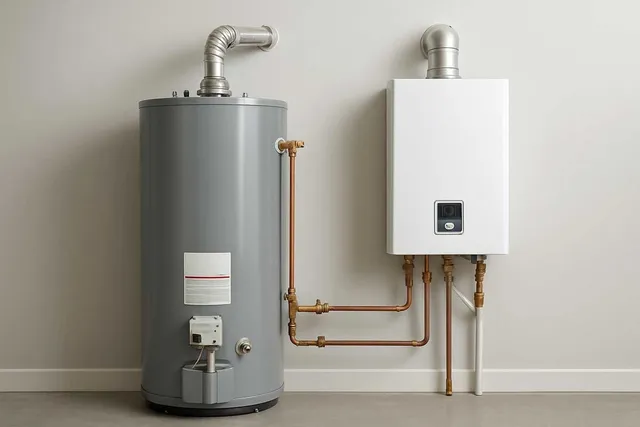
Choosing a new water heater is no longer just about finding a system that provides enough hot water. Modern homeowners are also looking at energy bills, maintenance costs, environmental impact, and long-term value. Two popular options that often come up are heat pump water heaters and tankless water heaters.
Both technologies offer advantages over traditional storage tank water heaters, but they work in very different ways. A heat pump water heater focuses on using less electricity by moving heat from the surrounding air, while a tankless system heats water instantly only when it is needed.
So, which one saves more money over time? The answer depends on your home size, energy usage, installation conditions, and long-term priorities.
How Heat Pump Water Heaters Work
A heat pump water heater, sometimes called a hybrid water heater, does not create heat in the same way as a traditional electric heater. Instead, it uses a heat pump system to capture heat from the surrounding air and transfer it into the water stored inside the tank.
Think of it as a refrigerator working in reverse. A refrigerator removes heat from inside the appliance and releases it outside. A heat pump water heater collects heat from the air around it and uses that energy to warm the water.
Because it moves existing heat instead of generating all heat directly, it can use significantly less electricity compared with conventional electric water heaters.
These systems usually include different operating modes, allowing homeowners to choose between maximum energy savings and faster heating when demand is high.
How Tankless Water Heaters Work
Tankless water heaters operate differently because they do not store hot water. Instead, they heat water as it passes through the unit.
When someone turns on a hot water tap, the system detects the flow and activates powerful heating elements or gas burners. The water is heated instantly and delivered without waiting for a storage tank to refill.
The biggest advantage is that tankless systems eliminate standby heat loss. Traditional water heaters continuously keep stored water hot, even when nobody is using it. Tankless systems only consume energy during actual use.
This makes them attractive for homeowners who want unlimited hot water and a smaller installation footprint.
Energy Efficiency Comparison
When comparing long-term savings, energy efficiency is one of the most important factors.
Heat pump water heaters are generally among the most energy-efficient electric water heating options available. Since they use heat from the surrounding air, they can produce several units of heating energy for every unit of electricity consumed.
Tankless water heaters are also efficient because they avoid the energy loss associated with keeping a tank constantly heated. However, their savings depend heavily on whether the system runs on electricity or natural gas.
For homes that already rely on electricity, a heat pump water heater often provides greater energy savings over many years. For households with affordable natural gas and high hot water demand, a tankless gas system may offer competitive operating costs.
Upfront Installation Costs
The initial cost is another major difference between these systems.
Heat pump water heaters typically cost more than traditional electric tank models because they include advanced heat transfer technology. Installation may also require additional space because the unit needs proper airflow around it.
Tankless water heaters can also have higher upfront costs, especially when replacing a traditional tank system. Some homes may need electrical upgrades, new gas lines, or ventilation improvements depending on the model.
Although the initial investment can be higher for both options, homeowners should look beyond the purchase price and consider energy savings over the entire lifespan of the system.
Long-Term Operating Costs
The biggest question for many homeowners is simple: which system saves more money after years of use?
Heat pump water heaters usually have an advantage in homes with moderate to high electricity usage because they consume much less energy compared with standard electric heaters. Over time, the lower monthly utility bills can help recover the higher purchase price.
Tankless water heaters can also reduce energy costs because they do not maintain a large tank of hot water. However, savings may vary depending on household habits. A large family that takes frequent showers and uses hot water throughout the day may benefit more from the continuous supply.
For smaller households with normal hot water usage, the energy efficiency of a heat pump model may provide better long-term savings.
Maintenance Requirements
Every water heating system requires maintenance to perform efficiently.
Heat pump water heaters usually need periodic filter cleaning, inspection of components, and occasional tank maintenance. Since they contain a storage tank, homeowners should still consider issues like sediment buildup depending on water quality.
Tankless systems require regular flushing to remove mineral deposits, especially in areas with hard water. Neglecting maintenance can reduce efficiency and shorten the lifespan of the unit.
A properly maintained system of either type can last many years, but maintenance costs should be included when comparing long-term value.
Space Requirements and Installation Location
The available space in your home can influence the best choice.
Heat pump water heaters need enough surrounding air to operate efficiently. A small enclosed closet may not provide enough airflow unless special considerations are made.
Tankless water heaters are compact and can often be installed on walls, making them ideal for homes where space is limited.
However, outdoor installation, climate conditions, and local building requirements may affect which option works best.
Hot Water Supply Differences
Tankless systems are known for providing continuous hot water. As long as the unit has enough capacity, it can supply hot water for long periods without running out.
Heat pump water heaters store heated water in a tank, meaning there is a limited supply available at one time. Larger households may need a bigger tank size or additional settings to handle heavy usage.
For a family that regularly runs multiple showers, laundry machines, and dishwashers at the same time, choosing the correct size is essential.
Environmental Impact
Energy efficiency also affects environmental impact.
Heat pump water heaters generally produce fewer emissions because they require less electricity to operate compared with traditional systems. Their environmental benefits can increase as power grids include more renewable energy sources.
Tankless systems can also reduce energy waste by avoiding standby losses. Gas-powered models, however, still depend on fossil fuels and produce combustion emissions.
Homeowners focused on sustainability often consider heat pump technology because it aligns well with energy-efficient home designs.
Which System Provides Better Return on Investment?
The better investment depends on your specific situation.
A heat pump water heater may be the better choice if:
- Your home uses electricity as the main energy source
- You want lower monthly energy bills
- You have enough installation space
- You prefer an energy-efficient solution
- Your household has moderate hot water needs
A tankless water heater may be the better option if:
- You need unlimited hot water
- Space is limited
- Your household has high hot water demand
- You already have suitable gas or electrical infrastructure
- You prefer a compact system
Common Mistakes When Choosing a Water Heater
Many homeowners focus only on the purchase price and ignore long-term expenses. A cheaper system may cost more over time if it uses more energy or requires frequent repairs.
Another common mistake is choosing a unit that is too small or too large. Proper sizing based on household usage is essential for efficiency and comfort.
Installation quality also matters. Even the most advanced water heater will not perform properly if it is installed incorrectly.
Final Thoughts
Both heat pump water heaters and tankless systems can be smart upgrades compared with older water heating technology. However, they save money in different ways.
Heat pump water heaters usually provide stronger long-term energy savings for many electric homes because of their high efficiency. Tankless systems offer excellent convenience, space savings, and continuous hot water, especially for larger households.
The best choice is not simply the system with the lowest price. It is the one that matches your home’s energy source, hot water habits, available space, and future goals. By considering installation costs, operating expenses, maintenance, and lifespan, homeowners can choose a water heating solution that delivers the best value for many years.