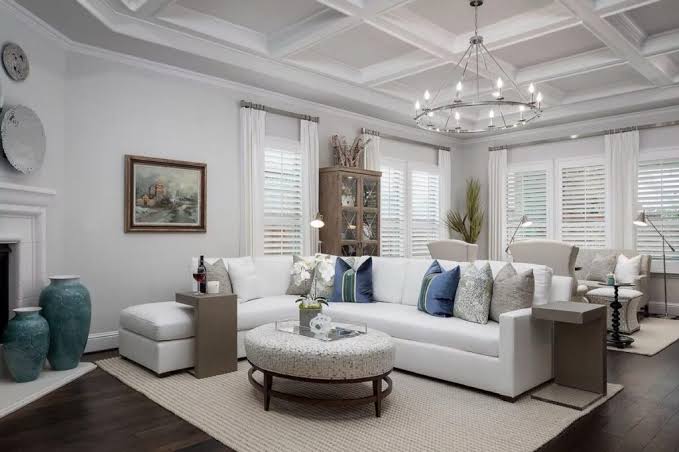
Home improvement projects can completely change the way a property looks, feels, and functions. However, one of the biggest decisions homeowners face before starting a renovation is whether they should renovate the entire house at once or improve individual rooms gradually. Both approaches have advantages and challenges, and the right choice depends on factors such as budget, timeline, lifestyle needs, property condition, and long-term goals.
A whole house renovation focuses on upgrading multiple areas of the home through one coordinated project, while room-by-room remodeling involves improving specific spaces separately over time. Understanding the differences between these two approaches can help homeowners avoid unnecessary expenses and create a renovation plan that matches their priorities.
What Is a Whole House Renovation?
A whole house renovation involves updating most or all parts of a property within a connected renovation plan. This can include kitchens, bathrooms, bedrooms, living areas, flooring, electrical systems, plumbing, insulation, lighting, and even structural changes.
Many homeowners choose this option when buying an older property, preparing a house for long-term living, or completely changing an outdated layout. Instead of making isolated improvements, the goal is to create a consistent design and improve the overall performance of the home.
For example, a whole house renovation may include replacing old wiring, upgrading heating and cooling systems, opening up small rooms, installing modern flooring throughout the property, and redesigning interiors with a unified style.
What Is Room-by-Room Remodeling?
Room-by-room remodeling focuses on improving individual areas of a home separately rather than renovating everything at once. Homeowners usually start with the rooms that need the most attention, such as kitchens, bathrooms, bedrooms, or living spaces.
This approach is common for people who have limited budgets or prefer completing projects gradually. Instead of dealing with a major renovation process, homeowners can save money over time and upgrade their property step by step.
For example, someone might remodel the bathroom this year, replace flooring next year, and renovate the kitchen later when additional funds are available.
Cost Comparison: Which Option Is More Affordable?
The cost difference between whole house renovation and room-by-room remodeling depends on the size of the project and the materials involved.
A whole house renovation often requires a larger upfront investment because multiple areas are being upgraded at the same time. However, completing everything together can sometimes reduce overall costs because contractors can manage labor, materials, and planning more efficiently.
Room-by-room remodeling may seem cheaper because each project has a smaller price tag. However, completing several separate renovations over many years can sometimes cost more due to repeated contractor fees, changing material prices, and the need to adjust previous improvements.
Homeowners should consider both immediate costs and long-term expenses before deciding.
Timeline Differences Between Both Approaches
Time is another major factor when choosing between these renovation methods.
A whole house renovation usually requires a longer construction period because multiple systems and rooms are being updated together. Depending on the home’s size and project complexity, homeowners may need to temporarily move out during major renovations.
The advantage is that the entire transformation happens within one organized timeline.
Room-by-room remodeling usually creates less disruption because only one area is under construction at a time. Families can continue living in the home more comfortably. However, the complete renovation process may take several years if multiple rooms need improvement.
Design Consistency and Overall Appearance
One of the biggest advantages of a whole house renovation is design consistency. Since all decisions are made together, homeowners can create a connected style throughout the property.
Flooring, colors, lighting, furniture layouts, and architectural details can all work together naturally. This is especially valuable for homeowners who want a modern, luxury, or minimalist home design.
With room-by-room remodeling, maintaining consistency can sometimes be challenging. A kitchen renovated five years ago may have a different style compared to a living room updated later. Trends, available materials, and personal preferences can change over time.
However, careful planning can help homeowners avoid a disconnected look.
When Whole House Renovation Makes More Sense
A complete renovation may be the better option in several situations.
Older homes with outdated electrical systems, plumbing issues, poor insulation, or inefficient layouts often benefit from a complete approach. Fixing one room while ignoring underlying problems may only delay future repairs.
Whole house renovation is also a strong choice when homeowners want to:
- Increase property value before selling
- Create a completely new layout
- Improve energy efficiency
- Modernize an outdated home
- Avoid repeated construction disruptions
It is particularly useful for properties where multiple systems need attention at the same time.
When Room-by-Room Remodeling Is the Better Choice
Gradual remodeling works well for homeowners who do not need major changes or have limited renovation budgets.
This approach is suitable when:
- Only certain rooms need improvement
- The home’s structure is already in good condition
- Homeowners want to spread expenses over time
- They prefer smaller renovation projects
- They want to test design ideas before larger changes
For example, upgrading a bathroom with modern fixtures or replacing outdated kitchen cabinets may provide noticeable improvements without requiring a complete home renovation.
Impact on Home Value and Resale Potential
Both renovation approaches can increase property value when done correctly. However, the type of improvement matters more than the size of the project.
A whole house renovation can create a stronger overall impression for potential buyers because the property feels updated from top to bottom. Buyers often appreciate homes with modern systems, fresh interiors, and fewer immediate repair needs.
Room-by-room improvements can also add value, especially when focusing on high-impact areas like kitchens, bathrooms, and outdoor spaces.
The best investment decisions depend on the local housing market and buyer expectations.
Common Mistakes Homeowners Should Avoid
Regardless of the renovation approach, poor planning can create unnecessary stress and expenses.
Some common mistakes include:
- Starting without a realistic budget
- Choosing materials without considering durability
- Ignoring hidden structural problems
- Hiring contractors without proper research
- Following trends that may quickly become outdated
- Making changes without considering future needs
A successful renovation should improve both appearance and functionality.
How to Decide Between Whole House Renovation and Room Remodeling
The right choice depends on your home’s current condition and your personal goals.
Ask yourself:
- Does the entire house feel outdated?
- Are there major repairs needed?
- Do I have enough budget for a complete project?
- Do I plan to stay in this home long-term?
- Are only specific rooms causing problems?
If several areas require upgrades, a whole house renovation may provide better results. If only certain spaces need improvement, room-by-room remodeling may be the more practical solution.
Final Thoughts
Whole house renovation and room-by-room remodeling both offer valuable ways to improve a property. A complete renovation provides better coordination, design consistency, and long-term transformation, while gradual remodeling offers flexibility and easier budget management.
There is no single approach that works for every homeowner. The best decision comes from understanding your home’s condition, financial situation, lifestyle requirements, and future plans.
A well-planned renovation is not only about making a home look better. It is about creating a space that is comfortable, efficient, functional, and suitable for the years ahead.