Remember the excitement of visiting an amusement park as a child? The anticipation while waiting in line, the colorful rides, and the feeling of trying something completely different from everyday life were often just as memorable as the attractions themselves.
But exciting amusement experiences don’t always require enormous roller coasters or sprawling theme parks.
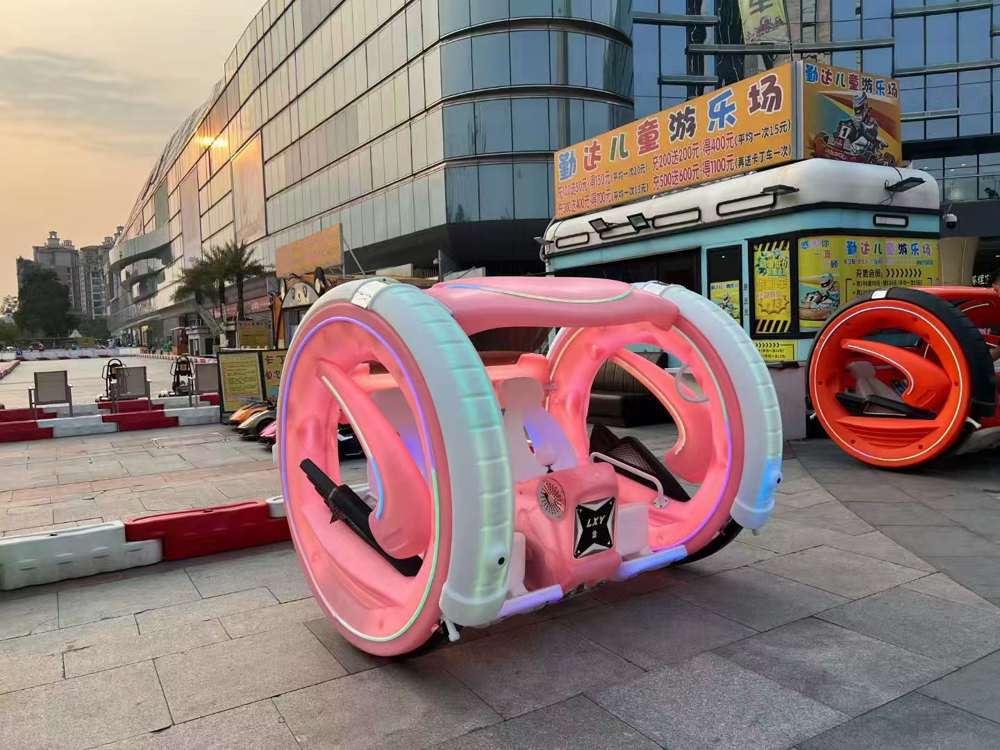
Compact interactive rides are giving family entertainment centres, shopping malls, and recreational venues new ways to create memorable experiences. Among these attractions are 360-degree rolling cars, which combine movement, rotation, and rider participation in a relatively compact format.
What Makes a 360 Rolling Car Different?
Unlike traditional ride-on vehicles that mainly travel forward and backward, 360 rolling cars are designed around rotational movement. Depending on the model, riders may be able to steer, spin, and experience different directions of motion.
That movement is what makes the attraction interesting. Rather than simply sitting through a predetermined ride, participants can experience a sense of control and interaction.
Some models feature electric operation, colourful lighting, or designs intended for particular age groups and amusement settings. The experience can vary considerably between products, so choosing the appropriate type is important.
For entertainment venues, these unusual vehicles also have visual appeal. Watching a brightly coloured rolling car turn and spin can be entertaining even for people waiting nearby.
A Different Kind of Attraction for Indoor Entertainment
Family entertainment centres face an interesting challenge: visitors want variety, but indoor space is often limited.
Large amusement rides aren’t always practical, particularly in shopping malls or smaller recreational facilities. Compact attractions provide another option, allowing operators to introduce movement-based entertainment without necessarily dedicating an entire building to one ride.
This is where 360 rolling cars become worth exploring. Available in different designs and configurations, these rotating amusement vehicles can suit entertainment businesses looking to diversify their attractions.
The specific model matters, however. Operators should consider dimensions, floor conditions, rider eligibility, operating requirements, and the amount of free space needed around each vehicle.
Why Interactive Experiences Appeal to Families
Children and adults often remember activities they participate in more vividly than attractions they simply watch. Interactive rides create opportunities to make decisions, react to movement, and experience something unfamiliar.
They can also become a shared family experience. Parents may enjoy watching younger riders discover a new attraction, while suitable multi-rider or adult-oriented models can create opportunities for older participants to join in.
For venues, the challenge is finding attractions that complement the rest of the entertainment mix. A rolling car area might sit alongside arcade games, prize machines, and other recreational activities, giving visitors different ways to enjoy their time.
Designing the Experience Properly
A successful ride installation involves more than choosing an eye-catching vehicle.
Operators need to provide sufficient manoeuvring space, suitable surfaces, clear boundaries, and appropriate supervision. Manufacturer instructions, rider restrictions, relevant safety standards, and local requirements should determine how each attraction is installed and operated.
Lighting and signage can make the area more attractive, but safety and usability need to come first.
When these elements are carefully planned, an interactive ride can become a distinctive addition to a family entertainment destination.
Small Attractions Can Create Big Memories
Not every memorable amusement experience needs a dramatic drop or a high-speed track. Sometimes, the excitement comes from trying an unfamiliar movement, sharing a laugh, or discovering a new favourite activity.
360 rolling cars are an example of how amusement entertainment can be interactive, visually appealing, and adaptable to different settings.
For families looking for new experiences and venues seeking something beyond traditional arcade cabinets, it’s a reminder that creative entertainment doesn’t always need to be enormous to make an impression.