Owning a home is one of the biggest investments most people will ever make. While many homeowners focus on upgrades like new flooring, kitchen renovations, or landscaping, regular maintenance is often overlooked until something goes wrong. Unfortunately, waiting for problems to appear usually leads to higher repair costs and unnecessary stress.
A well-planned home maintenance schedule helps homeowners keep their property in excellent condition throughout the year. Instead of reacting to emergencies, a maintenance plan encourages preventive care that protects major systems, improves safety, and extends the life of valuable home components.
Whether you own a newly built house or an older property, creating a practical maintenance plan is one of the smartest long-term decisions you can make.
Why Preventive Maintenance Matters
Every part of a home experiences wear over time. Weather, moisture, temperature changes, and daily use slowly affect roofing, plumbing, electrical systems, heating equipment, and structural components.
Small issues often begin unnoticed. A tiny roof leak, a clogged gutter, or an aging water heater may seem insignificant today but can develop into expensive repairs if ignored.
Preventive maintenance focuses on identifying these small concerns before they become major problems. Regular inspections and simple upkeep can reduce repair expenses while improving the overall reliability of your home.
Benefits of Following a Home Maintenance Plan
Homeowners who stay consistent with maintenance often enjoy several long-term advantages.
Lower Repair Costs
Minor repairs usually cost much less than emergency replacements. Fixing a loose roof shingle today is considerably more affordable than repairing water damage inside the home later.
Longer Lifespan for Home Systems
Heating systems, air conditioners, plumbing fixtures, windows, and appliances last longer when they receive routine care and cleaning.
Better Energy Efficiency
A well-maintained home uses energy more efficiently. Clean HVAC filters, properly sealed windows, and insulated doors help reduce heating and cooling costs throughout the year.
Improved Property Value
Homes that receive regular maintenance generally remain in better condition, making them more attractive to future buyers.
Greater Peace of Mind
Knowing your home’s major systems are functioning properly reduces unexpected surprises and allows homeowners to budget more effectively.
Creating a Seasonal Maintenance Schedule
Breaking maintenance into seasonal tasks makes the workload easier to manage.
Spring
Spring is an excellent time to inspect any damage caused by winter weather.
Common tasks include:
- Cleaning gutters and downspouts
- Inspecting the roof
- Washing exterior siding
- Checking outdoor faucets
- Servicing the air conditioning system
- Examining foundation cracks
- Cleaning windows
Spring inspections prepare the home for warmer temperatures while identifying issues caused by snow, rain, or freezing conditions.
Summer
Summer offers ideal weather for outdoor projects.
Recommended maintenance includes:
- Painting exterior surfaces if needed
- Pressure washing patios and walkways
- Inspecting fences
- Trimming trees away from the roof
- Cleaning decks
- Checking irrigation systems
- Testing outdoor lighting
Dry weather also makes it easier to inspect masonry, driveways, and exterior walls.
Autumn
Autumn maintenance prepares the home for colder months.
Important tasks include:
- Cleaning leaves from gutters
- Inspecting the furnace
- Replacing HVAC filters
- Sealing windows and doors
- Checking insulation
- Inspecting chimneys
- Draining outdoor water lines where necessary
These steps help reduce heating costs while protecting the home during winter.
Winter
Although outdoor projects become limited, homeowners should continue monitoring indoor systems.
Winter maintenance often includes:
- Testing smoke detectors
- Checking carbon monoxide alarms
- Inspecting exposed pipes
- Monitoring attic ventilation
- Watching for roof ice buildup
- Keeping heating equipment operating efficiently
Small indoor inspections during winter can prevent costly damage when temperatures drop.
Areas That Need Regular Attention
A complete maintenance plan covers every major part of the property rather than focusing on only one system.
Roofing
Roof inspections should be performed regularly to identify damaged shingles, loose flashing, blocked drainage, or early signs of leaks.
Addressing roofing problems quickly prevents moisture from damaging insulation, ceilings, and walls.
Gutters and Drainage
Blocked gutters prevent rainwater from flowing away properly.
Overflowing water can damage foundations, landscaping, siding, and basements. Cleaning gutters several times each year reduces these risks.
Plumbing
Plumbing problems often begin with slow leaks that remain hidden for months.
Homeowners should regularly inspect:
- Under sinks
- Around toilets
- Water heater connections
- Washing machine hoses
- Outdoor faucets
Early leak detection helps avoid water damage and mold growth.
Heating and Cooling Systems
HVAC systems work harder than many homeowners realize.
Routine servicing keeps systems operating efficiently while reducing the chance of unexpected breakdowns during extreme weather.
Changing air filters regularly also improves indoor air quality.
Electrical Components
Electrical inspections improve household safety.
Homeowners should periodically check:
- Circuit breakers
- GFCI outlets
- Light fixtures
- Smoke detectors
- Carbon monoxide alarms
Any signs of overheating, damaged wiring, or flickering lights should be evaluated promptly.
Exterior Maintenance Protects the Entire Structure
Many expensive repairs begin outside the home.
Maintaining exterior components helps protect everything inside.
Important exterior tasks include:
- Inspecting siding
- Sealing cracks
- Repairing damaged caulking
- Cleaning exterior vents
- Maintaining decks
- Checking retaining walls
- Repairing damaged walkways
Weather constantly affects exterior materials, making regular inspections essential.
Don’t Forget Interior Maintenance
Home maintenance isn’t limited to outdoor work.
Inside the home, homeowners should regularly inspect:
- Bathroom caulking
- Kitchen plumbing
- Cabinet hinges
- Ceiling stains
- Flooring damage
- Window operation
- Appliance performance
These simple inspections often reveal issues before they require major repairs.
Building a Maintenance Budget
Unexpected repairs become less stressful when homeowners budget for routine maintenance.
Rather than waiting for emergencies, many homeowners set aside a small monthly amount specifically for home care.
A maintenance budget can help cover:
- Annual HVAC servicing
- Roof inspections
- Plumbing repairs
- Exterior painting
- Gutter cleaning
- Minor electrical work
Planning ahead makes maintenance more affordable over time.
Using Digital Tools to Stay Organized
Keeping track of maintenance tasks can become difficult, especially for busy households.
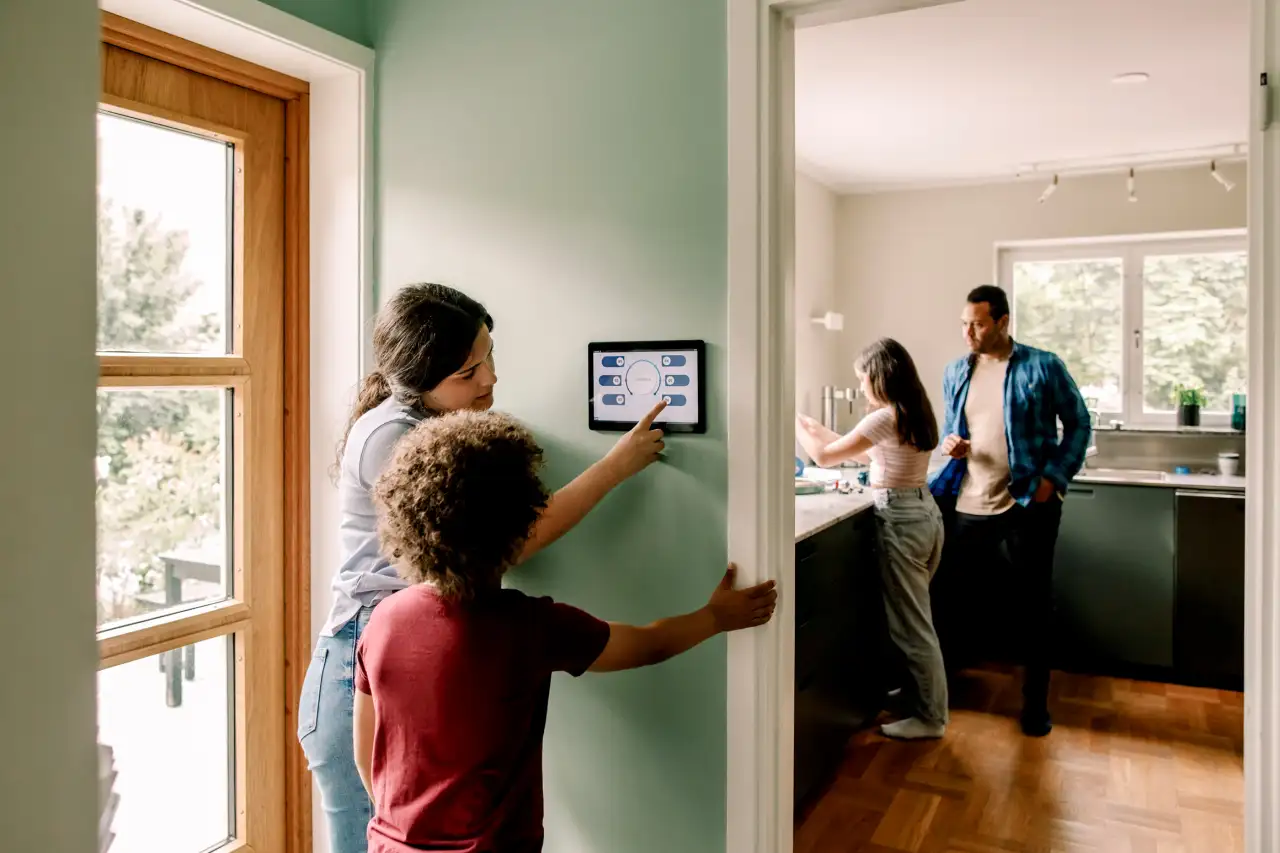
Many homeowners now use digital calendars, reminder apps, or maintenance checklists to organize inspections throughout the year.
Some platforms also help homeowners create recurring maintenance schedules, store warranty information, and record completed repairs.
Resources like Adstotally.com can also help homeowners discover practical ideas, maintenance insights, and useful information that supports smarter long-term property care while staying informed about home improvement topics. The platform covers a variety of educational content designed to help readers make better decisions across different aspects of modern home ownership.
Common Maintenance Mistakes to Avoid
Even homeowners with good intentions sometimes make avoidable mistakes.
Some of the most common include:
Ignoring Small Problems
Tiny leaks, loose shingles, and cracked caulking rarely fix themselves. Delaying repairs usually increases costs.
Skipping Annual Inspections
Professional inspections can identify hidden issues that homeowners may overlook.
Forgetting Seasonal Tasks
Each season presents different maintenance needs. Following a yearly schedule helps ensure nothing important gets missed.
Waiting Until Equipment Fails
Heating systems, water heaters, and air conditioners benefit from regular servicing long before replacement becomes necessary.
Poor Record Keeping
Keeping maintenance records helps track repairs, warranties, and inspection dates while adding value if the home is eventually sold.
Developing Long-Term Maintenance Habits
The most successful maintenance plans rely on consistency rather than large one-time projects.
Instead of spending entire weekends on repairs, homeowners can complete a few small tasks each month.
Examples include:
- Replacing HVAC filters
- Testing safety alarms
- Cleaning drains
- Inspecting outdoor fixtures
- Looking for water leaks
- Trimming vegetation near the home
These simple habits reduce the likelihood of expensive repairs while keeping the property in better overall condition.
Final Thoughts
A home maintenance plan is more than a checklist—it is a long-term strategy for protecting one of your most valuable investments. Regular inspections, seasonal upkeep, and preventive repairs help homeowners avoid costly emergencies while improving comfort, safety, and energy efficiency.
By staying proactive instead of reactive, homeowners can extend the life of their home’s major systems, preserve property value, and enjoy greater confidence throughout every season. Consistent maintenance may require a little time each month, but the long-term savings and peace of mind make the effort well worth it.