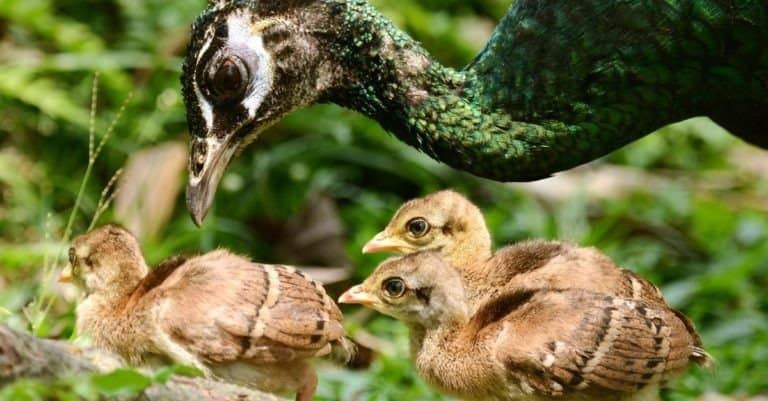
Baby peacocks are among the most fascinating young birds in the world. Known for their delicate feathers, curious personalities, and graceful appearance, these chicks quickly capture attention from bird lovers, hobby farmers, and exotic pet enthusiasts alike. While adult peafowl are famous for their dazzling plumage and dramatic displays, their babies are equally charming in a quieter, softer way.
Whether you are researching peafowl care, considering raising exotic birds, or browsing listings for a peacock for sale, understanding how baby peacocks grow and thrive is essential. From hatching to maturity, these birds require specialized care, proper nutrition, and a safe environment to develop into healthy adults.
What Are Baby Peacocks Called?
Technically, baby peacocks are called “peachicks.” The term “peacock” refers specifically to the male bird, while females are known as peahens. Together, they are called peafowl. Peachicks hatch from eggs after an incubation period of about 28 to 30 days.
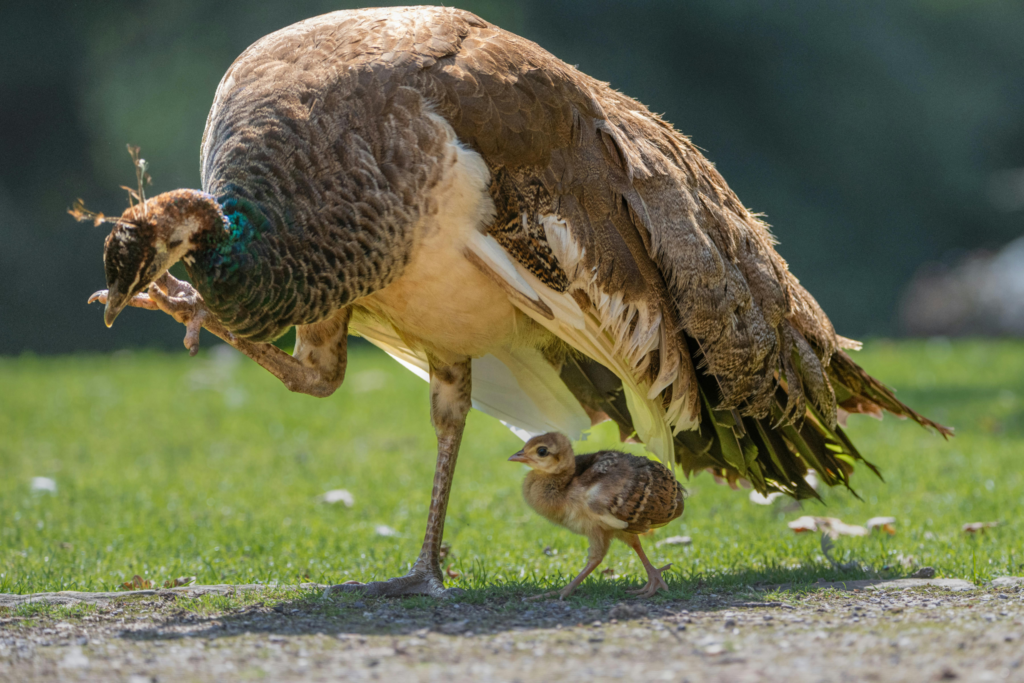
Unlike many domestic chicks, peachicks are surprisingly active shortly after hatching. Within hours, they begin walking around and exploring their surroundings. Their natural curiosity helps them learn survival skills quickly, especially when raised by attentive peahens.
In the wild, peachicks rely heavily on camouflage during their early weeks. Their muted brown and tan feathers help them blend into grasslands and forest floors, protecting them from predators.
The Early Growth Stages of Peachicks
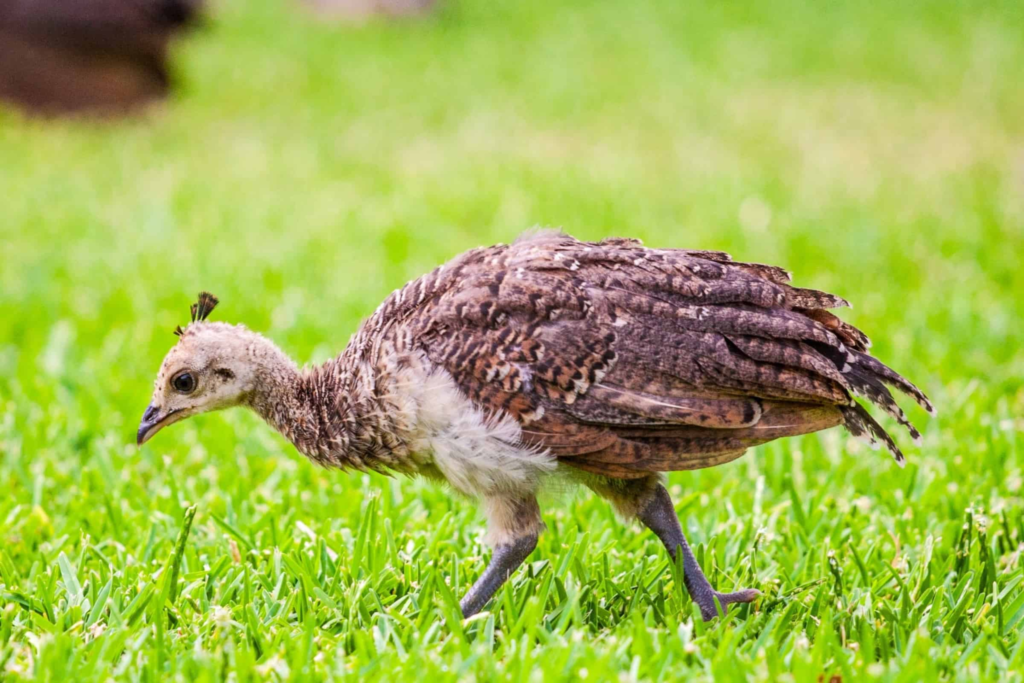
Baby peacocks grow rapidly during their first few months. At birth, they are covered in soft down feathers that provide warmth and protection. As they mature, these feathers gradually change into juvenile plumage.
First Few Weeks
During the first week, peachicks are highly sensitive to temperature changes. Breeders typically keep them in a warm brooder with controlled heat and dry bedding. Proper warmth is critical because young peafowl cannot regulate body temperature efficiently.
Nutrition is equally important. High-protein starter feed designed for game birds is commonly recommended to support healthy feather and bone development.
Two to Six Months
As peachicks grow, their personalities become more noticeable. Some are timid and cautious, while others become remarkably social around humans. During this stage, they also begin developing stronger wing feathers and gain the ability to fly short distances.
Young males may start showing subtle signs of the brilliant colors they will eventually display as adults. However, the iconic tail feathers associated with peacocks typically do not fully develop until around three years of age.
Habitat and Living Conditions
Providing the right environment is one of the most important parts of raising baby peacocks successfully. These birds need plenty of room to roam, explore, and exercise.
Space Requirements
Peafowl are not suited for cramped enclosures. Even young peachicks benefit from spacious pens with access to sunlight and fresh air. As they mature, larger aviaries or open farm spaces become ideal.
A secure enclosure is essential because predators such as foxes, stray dogs, raccoons, and large birds of prey can threaten young peafowl.
Shelter and Roosting
Peachicks need dry, clean shelter to prevent illness. Damp conditions can lead to respiratory problems and infections. As they age, peafowl naturally prefer elevated roosting spots for sleeping.
Many breeders install wooden perches inside shelters to encourage this instinctive behavior.
Feeding Baby Peacocks
Proper nutrition directly affects the health, coloration, and long-term development of peafowl. Baby peacocks require a protein-rich diet, especially during their first several months.
Their feeding routine often includes:
- High-protein game bird starter feed
- Fresh greens and vegetables
- Small insects or mealworms
- Clean drinking water at all times
Some owners also supplement calcium and vitamins to support healthy growth. However, overfeeding treats or improper diets can cause developmental issues.
Fresh water is particularly important because dehydration can affect feather growth and overall health.
Temperament and Social Behavior
Baby peacocks are intelligent and highly observant birds. Many owners describe them as surprisingly interactive once they become comfortable around people.
Peachicks raised by hand may develop strong bonds with caretakers and even follow them around like domestic chickens. However, they still retain independent behaviors and can become skittish in unfamiliar situations.
Socialization plays a major role in shaping temperament. Birds raised in calm, low-stress environments often become more confident and manageable as adults.
Common Health Concerns
Like many young birds, peachicks can be vulnerable to illness if not cared for properly. Clean housing, quality nutrition, and regular observation are key to prevention.
Some common health issues include:
Coccidiosis
This intestinal disease is caused by parasites and commonly affects young game birds. Symptoms include lethargy, poor appetite, and diarrhea.
Respiratory Infections
Cold drafts, damp bedding, or overcrowding may contribute to respiratory problems in peachicks.
Nutritional Deficiencies
Insufficient protein or vitamins can lead to weak feathers, poor growth, and leg issues.
Responsible breeders monitor chicks closely and consult avian veterinarians when problems arise.
Raising Baby Peacocks as Pets
Keeping peafowl as pets has become increasingly popular among exotic bird enthusiasts and hobby farmers. Their striking appearance and unique personalities make them stand out from more traditional poultry breeds.
However, raising peafowl is a long-term commitment. Adult birds can live 15 to 20 years under proper care. They also require substantial outdoor space and may produce loud calls, especially during mating season.
People searching online for a peacock for sale should research breeders carefully before purchasing. Ethical breeders prioritize bird health, proper housing, and genetic quality rather than simply focusing on appearance.
It is also important to check local regulations, as some areas have restrictions regarding exotic or free-ranging birds.
How Much Do Baby Peacocks Cost?
The cost of peacocks varies depending on breed, age, coloration, and breeder reputation. Standard India Blue peachicks are generally more affordable, while rare color mutations such as White, Opal, or Purple peafowl may cost significantly more.
Prices may range from relatively inexpensive chicks to premium birds with specialized genetics. Additional expenses should also be considered, including:
- Housing and fencing
- Feed and supplements
- Veterinary care
- Predator protection
- Incubation equipment if breeding
When evaluating a peacock for sale, buyers should look beyond price alone. Healthy birds from reputable breeders often save owners from costly health problems later.
Popular Peafowl Varieties
Several peafowl varieties are especially popular among breeders and collectors.
India Blue Peafowl
This is the most recognizable variety, known for its brilliant blue neck and dramatic tail display.
White Peafowl
White peafowl are not albino in most cases. Their pure white feathers result from a genetic condition called leucism.
Green Peafowl
Native to Southeast Asia, green peafowl are rarer and often considered more challenging to keep.
Pied Peafowl
These birds display unique patches of white mixed with standard coloration, creating striking patterns.
Each variety has distinct visual characteristics, but all require similar foundational care during the peachick stage.
Conclusion
Baby peacocks are remarkable birds that combine beauty, intelligence, and unique behavior into one unforgettable package. From their fragile first days as peachicks to their transformation into majestic adult peafowl, these birds require attentive care, proper nutrition, and spacious living conditions.
For anyone interested in exotic bird keeping, learning about peachicks is the first step toward responsible ownership. Whether you are simply fascinated by their development or actively searching for a peacock for sale, understanding their needs helps ensure healthier birds and a better experience for both owner and animal.
With patience and proper care, baby peacocks can grow into stunning companions that bring color, personality, and elegance to farms, aviaries, and rural homes for many years.
Stay in touch to get more updates & news on Tribune!