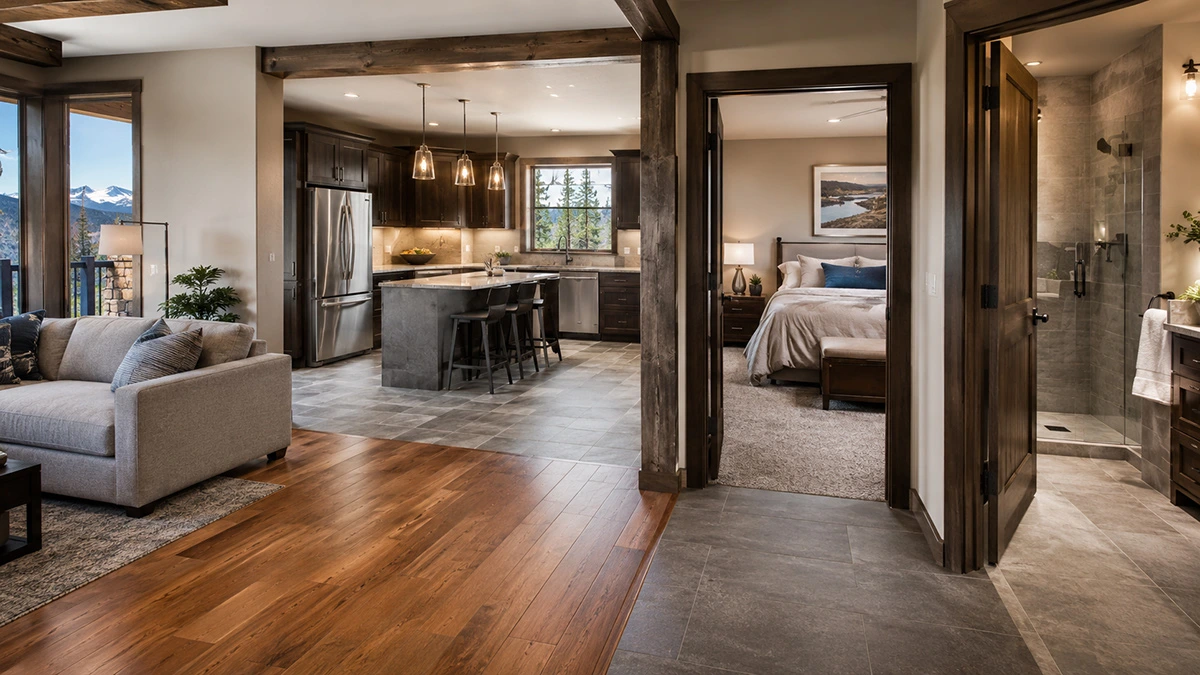
Choosing new flooring is one of the biggest decisions you’ll make during a home improvement project. The right flooring doesn’t just change how a room looks—it also affects comfort, durability, maintenance, and even your home’s resale value.
With so many options available, it’s easy to feel overwhelmed. Hardwood offers timeless beauty, vinyl is known for its affordability and water resistance, tile stands up well to moisture, and laminate provides the look of wood without the higher price tag.
So, which flooring is best for your home?
The answer depends on where the flooring will be installed, how much foot traffic the room gets, your budget, and your lifestyle.
In this guide, we’ll compare hardwood, vinyl, tile, and laminate flooring, explain their pros and cons, and help you choose the best option for every room in your house.
Understanding the Four Most Popular Flooring Types
Before comparing rooms, it’s helpful to understand what each flooring material offers.
Hardwood Flooring
Hardwood flooring is made from natural wood and has been a favorite among homeowners for decades. It offers warmth, character, and a classic appearance that rarely goes out of style.
Popular hardwood species include:
- Oak
- Maple
- Hickory
- Walnut
- Cherry
Hardwood can often be refinished several times, making it a long-lasting investment.
Vinyl Flooring
Modern vinyl flooring has come a long way. Luxury Vinyl Plank (LVP) and Luxury Vinyl Tile (LVT) closely mimic the appearance of real wood and stone while providing excellent durability.
Vinyl is especially popular because it’s:
- Waterproof
- Budget-friendly
- Comfortable to walk on
- Easy to maintain
It’s one of the fastest-growing flooring choices for modern homes.
Tile Flooring
Tile flooring is commonly made from:
- Ceramic
- Porcelain
- Natural stone
Tile is known for its strength, water resistance, and long lifespan. It’s especially common in bathrooms, kitchens, and laundry rooms.
Laminate Flooring
Laminate flooring consists of multiple layers designed to replicate the look of hardwood.
It’s often chosen because it’s:
- Affordable
- Scratch-resistant
- Easy to install
- Available in many styles
Although laminate looks similar to hardwood, it generally costs much less.
Flooring Comparison at a Glance
| Feature | Hardwood | Vinyl | Tile | Laminate |
|---|---|---|---|---|
| Water Resistance | Low | Excellent | Excellent | Moderate |
| Durability | Excellent | Excellent | Excellent | Good |
| Comfort | High | High | Medium | High |
| Maintenance | Moderate | Easy | Easy | Easy |
| Pet Friendly | Good | Excellent | Excellent | Good |
| Refinishing | Yes | No | No | No |
| Installation Cost | High | Low to Moderate | High | Moderate |
| Lifespan | 30–100+ Years | 15–30 Years | 50+ Years | 15–25 Years |
Best Flooring for the Living Room
The living room is where families spend time together, entertain guests, and relax. Flooring here should balance comfort, appearance, and durability.
Best Choice: Hardwood
Hardwood remains the top choice because it creates a warm and inviting atmosphere while increasing home value.
Advantages include:
- Timeless appearance
- Long lifespan
- Can be refinished
- Adds resale value
Budget Alternative: Laminate
If hardwood isn’t within your budget, laminate offers a similar appearance at a much lower cost.
Modern laminate flooring has realistic wood textures that can closely resemble natural hardwood.
Best Flooring for the Kitchen
Kitchens experience heavy foot traffic, spills, dropped cookware, and moisture.
Best Choice: Luxury Vinyl Plank (LVP)
Luxury vinyl has become one of the most popular kitchen flooring materials.
Benefits include:
- Waterproof
- Comfortable underfoot
- Scratch resistant
- Easy to clean
- Affordable
Many homeowners choose vinyl because it combines durability with the appearance of hardwood.
Runner-Up: Porcelain Tile
Porcelain tile also performs exceptionally well in kitchens.
It resists:
- Water
- Heat
- Scratches
- Stains
The only drawback is that tile feels harder and colder than vinyl.
Best Flooring for Bathrooms
Bathrooms require flooring that handles constant moisture.
Best Choice: Porcelain Tile
Porcelain tile is widely considered the best bathroom flooring because it absorbs very little water.
Additional advantages include:
- Mold resistant
- Easy to clean
- Highly durable
- Available in countless styles
Alternative: Waterproof Vinyl
Luxury vinyl is another excellent option, especially if you prefer warmer flooring under your feet.
Unlike hardwood, waterproof vinyl won’t warp when exposed to moisture.
Best Flooring for Bedrooms
Bedrooms prioritize comfort over durability.
Best Choice: Hardwood
Hardwood creates a cozy and elegant atmosphere.
Many homeowners add area rugs for extra softness and warmth.
Budget Option: Laminate
Laminate offers a similar appearance without the premium price.
It’s also resistant to scratches from furniture movement.
Best Flooring for Dining Rooms
Dining rooms benefit from flooring that looks elegant while standing up to occasional spills.
Top choices include:
- Hardwood
- Luxury vinyl
- Laminate
Hardwood remains the premium option, but vinyl provides excellent durability for busy households with children.
Best Flooring for Laundry Rooms
Laundry rooms deal with water leaks and humidity.
Best Choice: Tile
Ceramic or porcelain tile performs extremely well in these environments.
It won’t be damaged by washing machine leaks or standing water.
Affordable Option
Waterproof vinyl flooring also works well while offering a softer walking surface.
Best Flooring for Basements
Basements often experience moisture issues.
Best Choice: Luxury Vinyl
Waterproof vinyl is one of the safest flooring materials for finished basements.
It handles humidity much better than hardwood.
Alternative
Tile is another reliable option, especially in basements prone to moisture.
Avoid installing traditional hardwood in below-grade spaces.
Best Flooring for Entryways
Entryways receive dirt, rain, snow, and heavy foot traffic.
Ideal flooring includes:
- Porcelain tile
- Luxury vinyl
Both materials resist scratches and clean up easily after muddy shoes.
Best Flooring for Homes with Pets
Pets introduce unique flooring challenges.
You’ll want flooring that resists:
- Scratches
- Water accidents
- Pet hair
- Heavy traffic
Best Overall
Luxury vinyl performs exceptionally well in pet-friendly homes.
Its waterproof surface and scratch resistance make it a practical long-term choice.
Tile is another excellent option, especially for larger dogs.
Best Flooring for Families with Kids
Busy households need flooring that’s durable and easy to maintain.
Top recommendations include:
- Luxury vinyl
- Laminate
- Tile
These materials handle toys, spills, and everyday wear without requiring constant maintenance.
Hardwood Flooring Pros and Cons
Pros
- Natural beauty
- Increases home value
- Long lifespan
- Can be refinished
- Timeless appearance
Cons
- Expensive
- Can scratch
- Sensitive to moisture
- Requires periodic maintenance
Hardwood works best in dry areas like living rooms, bedrooms, dining rooms, and home offices.
Vinyl Flooring Pros and Cons
Pros
- Waterproof
- Affordable
- Comfortable
- Easy to install
- Low maintenance
- Excellent for families
Cons
- Cannot be refinished
- Lower resale value than hardwood
- May dent under extremely heavy furniture
Vinyl works well throughout almost every room.
Tile Flooring Pros and Cons
Pros
- Waterproof
- Extremely durable
- Fire resistant
- Easy to clean
- Long lifespan
Cons
- Cold underfoot
- Hard surface
- More expensive installation
- Grout requires occasional cleaning
Tile remains one of the best choices for bathrooms, kitchens, and laundry rooms.
Laminate Flooring Pros and Cons
Pros
- Affordable
- Attractive appearance
- Scratch resistant
- Easy installation
- Low maintenance
Cons
- Limited water resistance
- Cannot be refinished
- Shorter lifespan than hardwood
Laminate works well in bedrooms, living rooms, and home offices.
Flooring Cost Comparison
Average installed costs vary depending on the material and labor involved.
| Flooring Type | Average Installed Cost |
|---|---|
| Laminate | $4–$10 per sq. ft. |
| Vinyl | $5–$12 per sq. ft. |
| Hardwood | $8–$20 per sq. ft. |
| Tile | $10–$25 per sq. ft. |
Premium materials, custom patterns, and complex installations will increase overall costs.
Which Flooring Lasts the Longest?
When properly maintained:
- Tile: 50+ years
- Hardwood: 30–100+ years
- Vinyl: 15–30 years
- Laminate: 15–25 years
Longevity depends on installation quality, maintenance, and daily use.
How to Choose the Right Flooring
Before making a decision, ask yourself a few questions:
- Is the room exposed to moisture?
- How much foot traffic does it receive?
- Do you have pets or children?
- What’s your budget?
- Do you plan to sell your home soon?
- How much maintenance are you comfortable with?
Answering these questions will help narrow your choices.
Common Flooring Mistakes to Avoid
Many homeowners regret their flooring choices because they overlook practical considerations.
Avoid these common mistakes:
- Installing hardwood in moisture-prone areas
- Choosing flooring based only on appearance
- Ignoring long-term maintenance
- Buying the cheapest option without considering durability
- Forgetting about underlayment requirements
- Not ordering extra material for future repairs
Planning ahead can save both time and money.
Frequently Asked Questions
Which flooring is best for the entire house?
Luxury vinyl is one of the most versatile choices because it’s waterproof, durable, and suitable for nearly every room. Hardwood is another excellent whole-house option if moisture isn’t a concern.
Is hardwood better than vinyl?
Hardwood offers greater resale value and a timeless natural appearance, while vinyl is more affordable, waterproof, and easier to maintain. The better choice depends on your priorities.
What flooring is easiest to maintain?
Vinyl and tile require the least maintenance. Regular sweeping and occasional mopping are usually enough to keep them looking great.
Which flooring is best for resale value?
Hardwood flooring typically provides the strongest resale appeal and remains one of the most desirable features for homebuyers.
Can laminate flooring get wet?
Laminate can handle small spills if cleaned quickly, but prolonged exposure to water may cause swelling and damage. Waterproof vinyl or tile is a better choice for wet areas.
Final Thoughts
There isn’t a single flooring material that’s perfect for every room. The best choice depends on how each space is used, your budget, and your long-term goals. Hardwood remains the premium option for living areas and bedrooms thanks to its timeless beauty and lasting value. Luxury vinyl stands out for its waterproof performance and versatility, making it a smart choice for kitchens, basements, and busy family homes. Tile continues to be the top pick for bathrooms and laundry rooms because of its durability and moisture resistance, while laminate offers an affordable way to achieve the look of wood in dry living spaces.
By weighing the advantages and limitations of each material, you can choose flooring that not only complements your home’s style but also performs well for years to come.