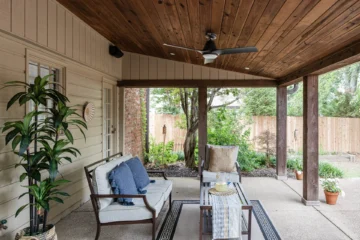
Your home faces different challenges throughout the year. From heavy spring rains to scorching summer heat, falling autumn leaves, and freezing winter temperatures, every season affects your property’s condition in unique ways, highlight Beyond Property Management solutions. Keeping up with seasonal home maintenance not only protects your investment but also helps you avoid expensive repairs and improves your home’s comfort, efficiency, and value.
Many homeowners wait until something breaks before taking action. However, preventive maintenance is far more affordable than emergency repairs. By following a seasonal home improvement plan, you can keep every part of your home in excellent condition while extending the lifespan of major systems and materials.
This guide covers the most important home improvement tasks for spring, summer, fall, and winter, helping you stay organized throughout the year.
Why Seasonal Home Maintenance Matters
Every season brings different weather conditions that can impact your home. Moisture, heat, cold temperatures, strong winds, and changing humidity all contribute to wear and tear over time.
Staying on top of seasonal maintenance offers several benefits:
- Prevents costly repairs
- Extends the lifespan of your home
- Improves energy efficiency
- Increases property value
- Enhances safety
- Keeps your home looking its best
- Reduces emergency maintenance issues
Instead of tackling everything at once, breaking maintenance into seasonal tasks makes homeownership much more manageable.
Spring Home Improvement Checklist
Spring is the perfect time to inspect your home after winter. Snow, rain, ice, and freezing temperatures may have caused damage that isn’t immediately visible.
Inspect the Roof
Winter storms can loosen shingles, damage flashing, and create small leaks.
Look for:
- Missing shingles
- Cracked flashing
- Water stains
- Moss growth
- Damaged vents
Addressing minor roofing problems early can prevent major leaks later.
Clean Gutters and Downspouts
Leaves, branches, and debris often accumulate over winter.
Clean gutters thoroughly and make sure water flows away from your home’s foundation.
Blocked gutters can cause:
- Roof leaks
- Foundation damage
- Basement flooding
- Landscape erosion
Examine the Exterior
Walk around your property and inspect:
- Siding
- Brickwork
- Paint
- Windows
- Doors
- Foundation
Repair cracks and damaged caulking before spring rains become heavier.
Service Your Air Conditioner
Before summer arrives, schedule maintenance for your cooling system.
Basic maintenance includes:
- Cleaning coils
- Replacing air filters
- Checking refrigerant levels
- Inspecting electrical components
A well-maintained air conditioner runs more efficiently and lasts longer.
Refresh Landscaping
Spring is ideal for improving curb appeal.
Tasks include:
- Planting flowers
- Mulching garden beds
- Trimming shrubs
- Fertilizing the lawn
- Removing dead branches
Healthy landscaping also protects your home’s foundation by improving drainage.
Pressure Wash Exterior Surfaces
Remove winter dirt from:
- Driveways
- Walkways
- Decks
- Patios
- Siding
- Fences
Pressure washing instantly refreshes your home’s appearance.
Inspect Outdoor Plumbing
Check garden faucets and irrigation systems for leaks caused by freezing temperatures.
Repairing leaks early helps conserve water and prevents larger plumbing issues.
Summer Home Improvement Checklist
Summer offers ideal weather for larger renovation projects because conditions are dry and daylight hours are longer.
Paint Exterior Surfaces
Warm temperatures allow paint to cure properly.
Consider painting:
- Siding
- Trim
- Fences
- Deck railings
- Garage doors
Fresh paint protects surfaces from moisture and sun damage.
Repair or Replace Decking
Inspect decks for:
- Loose boards
- Rotten wood
- Rusted fasteners
- Faded stain
Apply a protective stain or sealant to extend the life of wooden decks.
Upgrade Outdoor Living Areas
Summer is the perfect time to improve entertainment spaces.
Popular upgrades include:
- Outdoor kitchens
- Fire pits
- Pergolas
- Patio furniture
- Garden lighting
- Shade structures
These improvements make outdoor spaces more functional and enjoyable.
Improve Energy Efficiency
High temperatures increase cooling costs.
Summer projects may include:
- Installing ceiling fans
- Adding attic insulation
- Sealing air leaks
- Installing energy-efficient windows
- Upgrading thermostats
These upgrades can reduce electricity bills throughout the year.
Check Driveways and Walkways
Repair cracks before they expand.
Resealing concrete and asphalt surfaces protects them from weather damage and extends their lifespan.
Maintain Lawn Equipment
Clean and service:
- Lawn mowers
- Trimmers
- Leaf blowers
- Irrigation systems
Proper maintenance keeps equipment operating efficiently.
Inspect Fencing
Repair damaged sections, tighten loose posts, and repaint or stain wooden fences to prevent deterioration.
Fall Home Improvement Checklist
Fall is all about preparing your home for colder weather.
Completing maintenance before winter arrives can prevent serious problems.
Clean Gutters Again
Autumn leaves can quickly clog gutters.
Regular cleaning prevents ice dams and water overflow during winter.
Inspect Heating Systems
Schedule professional maintenance for your furnace or heating system.
Maintenance should include:
- Cleaning burners
- Checking airflow
- Replacing filters
- Testing safety controls
Reliable heating is essential before temperatures drop.
Seal Windows and Doors
Prevent cold air from entering by replacing worn weatherstripping and sealing gaps with caulk.
This simple project improves comfort while lowering heating costs.
Clean the Chimney
If your home has a fireplace, have the chimney inspected and cleaned before using it.
Removing soot and debris reduces fire hazards.
Drain Outdoor Water Systems
Before freezing temperatures arrive:
- Disconnect garden hoses
- Drain irrigation systems
- Shut off outdoor faucets if possible
These steps help prevent frozen pipes.
Trim Trees
Remove dead or weak branches that could fall during winter storms.
Proper pruning also promotes healthier growth in spring.
Inspect the Roof Again
Fall is your final opportunity to repair roofing before snow and freezing temperatures arrive.
Replace damaged shingles and repair flashing if necessary.
Winter Home Improvement Checklist
Winter focuses mainly on protecting your home from harsh weather while maintaining indoor comfort.
Monitor Ice Dams
Ice dams form when snow melts and refreezes along roof edges.
Prevent them by:
- Improving attic insulation
- Maintaining roof ventilation
- Removing heavy snow safely
Ignoring ice dams can result in roof leaks.
Check Indoor Humidity
Winter heating often dries indoor air.
Maintain healthy humidity using:
- Humidifiers
- Houseplants
- Proper ventilation
Balanced humidity improves comfort and protects wood furniture and flooring.
Test Safety Devices
Winter is the perfect time to check:
- Smoke detectors
- Carbon monoxide detectors
- Fire extinguishers
Replace batteries where necessary.
Reverse Ceiling Fans
Most ceiling fans include a reverse setting.
Running fans clockwise during winter pushes warm air downward, improving heating efficiency.
Inspect Plumbing
Watch for:
- Frozen pipes
- Slow drains
- Water leaks
- Condensation
Insulating exposed pipes helps prevent freezing.
Organize Indoor Projects
Cold weather is perfect for indoor improvements such as:
- Painting rooms
- Updating flooring
- Installing shelving
- Renovating bathrooms
- Replacing lighting fixtures
These projects don’t depend on outdoor weather.
Home Maintenance Tasks to Perform All Year
Some maintenance shouldn’t wait for a specific season.
These include:
- Replacing HVAC filters
- Testing smoke alarms
- Cleaning kitchen exhaust fans
- Inspecting plumbing leaks
- Checking electrical outlets
- Cleaning refrigerator coils
- Monitoring energy usage
- Organizing storage areas
Completing these tasks regularly keeps your home running efficiently.
Essential Tools Every Homeowner Should Own
Having the right tools makes seasonal maintenance easier.
Consider keeping:
- Hammer
- Screwdriver set
- Cordless drill
- Tape measure
- Utility knife
- Ladder
- Garden hose
- Pressure washer
- Leaf blower
- Caulking gun
- Adjustable wrench
- Flashlight
- Safety gloves
- Protective eyewear
Quality tools save time and make DIY projects more enjoyable.
Signs Your Home Needs Immediate Attention
While seasonal maintenance helps prevent problems, certain issues require immediate action.
Watch for:
- Roof leaks
- Foundation cracks
- Mold growth
- Water stains
- Electrical burning smells
- Pest infestations
- Sagging floors
- Burst pipes
- Flickering lights
- Large tree limbs near the roof
Addressing these issues promptly can prevent more extensive and expensive damage.
Budgeting for Seasonal Home Improvements
Home maintenance doesn’t have to strain your finances.
Create an annual maintenance budget by:
- Setting aside a small amount each month
- Prioritizing essential repairs
- Planning major projects during favorable seasons
- Taking advantage of seasonal sales on materials
- Handling simple DIY tasks when appropriate
A proactive budget makes it easier to keep your home in top condition without unexpected financial stress.
Benefits of Following a Seasonal Maintenance Schedule
Staying consistent with seasonal home improvement provides long-term rewards.
These include:
- Lower repair costs
- Better home efficiency
- Improved indoor comfort
- Increased property value
- Longer lifespan for major systems
- Enhanced curb appeal
- Greater peace of mind
Rather than reacting to problems, you’ll be preventing them before they develop.
Conclusion
Every season presents unique opportunities to improve and protect your home. Spring is ideal for inspections and cleaning after winter, summer is perfect for renovations and exterior upgrades, fall focuses on preparing for colder weather, and winter is the time to maintain indoor comfort and protect your home from freezing conditions.
By following a seasonal home improvement plan, you can reduce costly repairs, improve energy efficiency, and keep your property looking its best year-round. Even small maintenance tasks completed at the right time can make a significant difference over the life of your home. With a consistent approach, you’ll enjoy a safer, more comfortable, and more valuable home in every season.