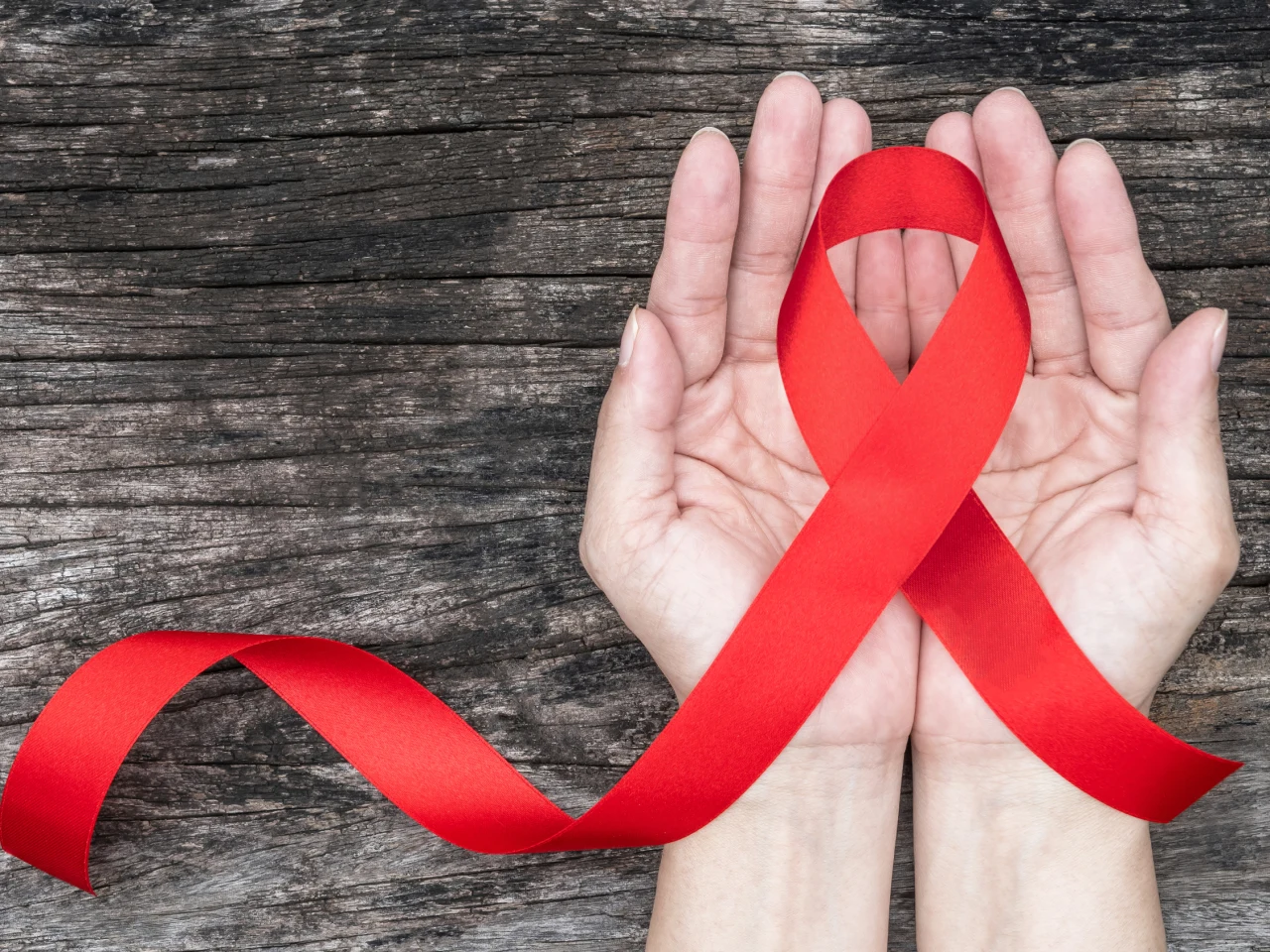
From January 2025 to March 2026, more than 2,000 children in Sindh tested positive for HIV. Investigations have pointed to unsafe medical practices—reused syringes, poor sterilisation, and unsafe blood transfusions, as primary causes.
This is, first and foremost, a failure of the healthcare system. It is a preventable tragedy, one that has irreversibly altered thousands of lives.
But there is a second, less visible crisis unfolding alongside it.
It is not the virus alone that threatens these children. It is the narrative surrounding it.
For decades, HIV has been associated with fear, stigma, and inevitability. A diagnosis is often framed as a life-ending event, a “death sentence.” This perception is deeply ingrained, shaped by the early years of the epidemic when treatment options were limited and mortality rates were high.
The origins of this fear can be traced back to the 1980s, when HIV first emerged as a global health crisis. With little scientific understanding and no effective treatment, the virus spread rapidly, claiming hundreds of thousands of lives. In that context, the label of a “death sentence” reflected a harsh reality.
But that reality has changed.
Advances in treatment over the past three decades have transformed HIV from a fatal illness into a manageable chronic condition.
The introduction of combination therapies in the mid-1990s marked a turning point. Since then, antiretroviral therapy (ART) has continued to evolve, becoming more effective, safer, and easier to use.
Today, many patients require just a single daily pill to control the virus. With consistent treatment, the viral load can become undetectable, meaning it cannot be transmitted to others and does not compromise the immune system in the same way.
In practical terms, this means that individuals living with HIV can lead long, healthy, and productive lives.
When the Narrative Harms More Than the Disease
Despite these advancements, public perception has not kept pace with medical reality.
Media coverage often frames HIV cases in terms of tragedy and inevitability, reinforcing outdated assumptions. Headlines focus on despair rather than survival, on fear rather than possibility.
This has consequences.
Children diagnosed with HIV are not only dealing with a medical condition, they are navigating a social environment that treats them as fragile, dangerous, or already lost. Reports of exclusion from schools, social isolation, and community rejection are not uncommon.
In such cases, the harm extends beyond the virus itself. It affects mental health, education, and long-term opportunities.
Part of the problem lies in persistent misinformation.
HIV is not transmitted through casual contact. It does not spread through sharing food or water, touching, or everyday interaction. It is primarily transmitted through specific routes, including contaminated blood transfusions, unsafe medical procedures, and unprotected sexual contact.
In the Sindh cases, the primary drivers appear to be failures within the healthcare system, not personal behaviour.
Yet stigma continues to frame HIV in moral terms, associating it with wrongdoing rather than recognising it as a medical issue.
The Cost of Stigma
Stigma does more than isolate, it discourages treatment.
When individuals fear social consequences more than the disease itself, they are less likely to seek testing, disclose their status, or adhere to treatment. This undermines public health efforts and perpetuates the spread of misinformation.
For children, the impact is even more profound. A diagnosis at a young age should not define their future. With proper care, they can attend school, pursue careers, build relationships, and live full lives.
But this depends not only on access to treatment—it depends on how society responds.
The responsibility for changing this narrative is shared.
Healthcare systems must ensure safe practices to prevent future outbreaks. Policymakers must prioritise public health infrastructure and accountability.
But media, educators, and communities also play a critical role.
Language matters. Framing matters. The way HIV is discussed shapes how individuals living with it are treated.
Moving away from fear-based narratives towards fact-based understanding is not simply a matter of accuracy, it is a matter of dignity.
A Matter of Perspective
HIV is no longer what it was in the 1980s. Medical science has changed the trajectory of the disease.
The question now is whether society is willing to change with it.
For the thousands of children affected in Sindh, the future is not predetermined by a diagnosis. With treatment, their lives can be as long and as meaningful as anyone else’s.
The greater risk lies not in the virus itself, but in the persistence of stigma.
Until that changes, the phrase “death sentence” will continue to do more harm than the disease it describes.
About The Author

“ Mustafa Imran Mehdi”
A passionate writer and student at University of London. Based in Lahore, and originally from Rahim Yar Khan.
More About Author: Mehdimustafa.com
Follow Here: instagram.com/mehdimustafa16
Stay in touch to get more updates & news on Tribune!