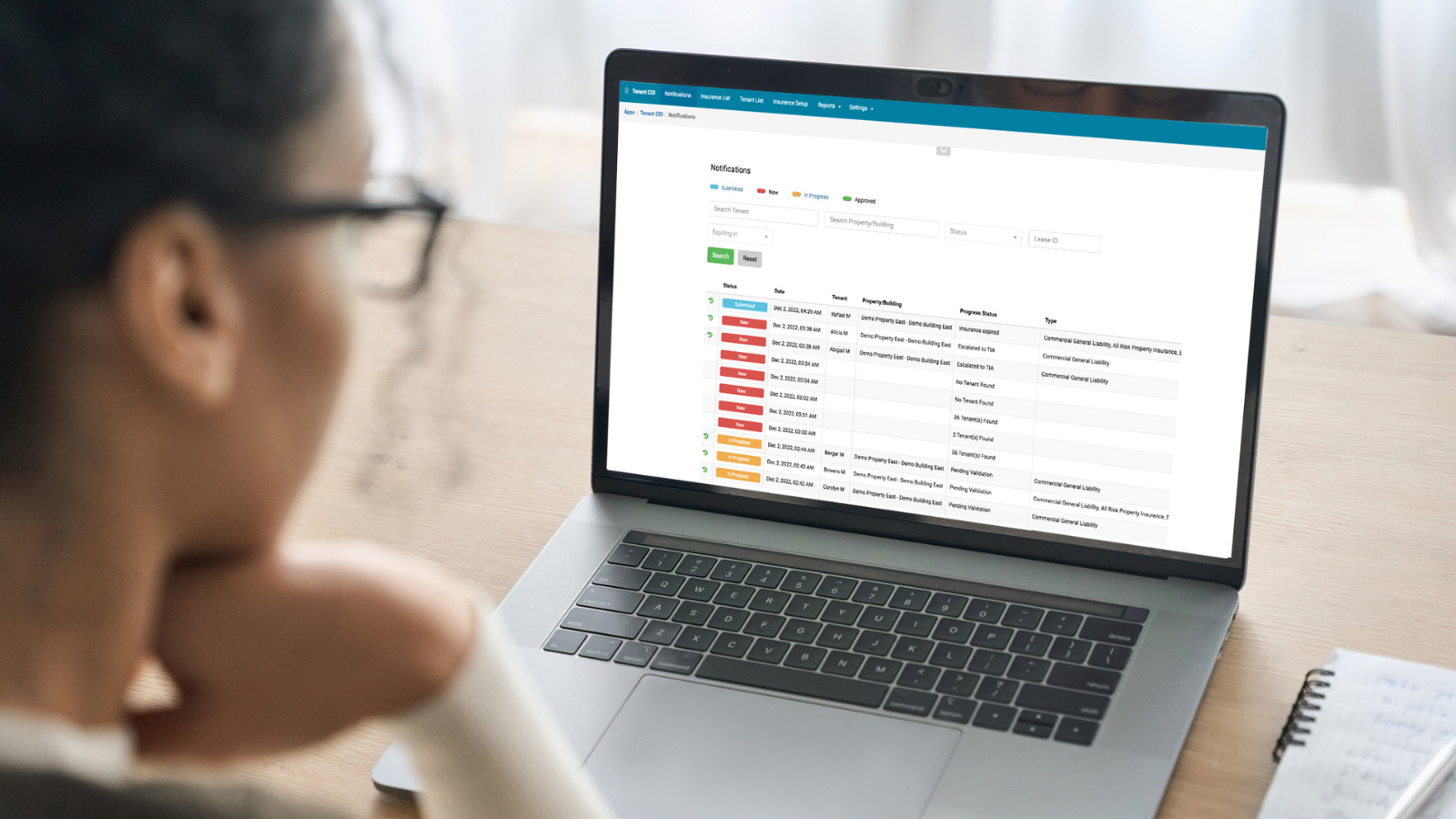
In the realm of business and technology, maintaining compliance is a crucial component that directly impacts operational efficiency. One area where this is particularly significant is in the management of Certificates of Insurance (COIs). Manual tracking and verification processes can be labor-intensive and error-prone, leading to delays and increased operational costs. This article explores how implementing Automated COI Tracking and Verification can transform these processes, enhancing efficiency and productivity within organizations.
Implementing Automated COI Tracking for Enhanced Efficiency
Automated COI tracking leverages technology to streamline the management of insurance certificates. By integrating a Compliance Automation Tool, businesses can significantly reduce the time spent on manual data entry and verification. This tool automates the collection and validation of COIs, ensuring that all documentation is up-to-date and compliant with industry standards. In a typical scenario, companies can reduce processing time by up to 40% within the first year of implementation (Source: McKinsey & Company, 2023).
The integration of an API Gateway further enhances this process by allowing seamless data exchange between systems, eliminating the need for repetitive manual inputs. This connectivity ensures that all stakeholders have real-time access to updated insurance information, facilitating faster decision-making and reducing the risk of technical debt, which refers to the future costs incurred by choosing quick fixes over long-term solutions.
Moreover, automated COI tracking supports continuous improvement initiatives by providing valuable insights through Business Intelligence Dashboards. These dashboards enable businesses to analyze trends and patterns in real-time, driving strategic decisions and fostering a culture of continuous improvement.
Streamlining Verification Processes for Operational Success
Verification processes are vital for ensuring that COIs meet all necessary requirements. Traditionally, this has been a manual task, prone to human error. By adopting automated solutions, businesses can streamline these verification processes, ensuring accuracy and speed. This is where the integration of a Continuous Integration Pipeline becomes crucial. It allows for the automatic testing and validation of COIs against predefined criteria, ensuring compliance with minimal human intervention.
Furthermore, employing Cloud Orchestration in the verification process allows for scalable and flexible management of COI data. As business needs evolve, cloud solutions provide the agility to adjust resources and processes accordingly, ensuring that verification remains efficient and effective.
Additionally, implementing Zero Trust Security measures within automated systems ensures that COI data remains secure and protected from unauthorized access. This approach requires verification for every user and device, enhancing the overall security posture of the organization.
Boosting Business Productivity with Automated COI Solutions
Automated COI solutions not only enhance efficiency but also boost overall business productivity. By reducing the administrative burden on employees, these solutions free up valuable time and resources, allowing teams to focus on more strategic initiatives. For example, Agile Scrum Masters can redirect their efforts from managing paperwork to optimizing project delivery through agile methodologies.
Moreover, the use of Microservices Architecture in COI automation allows businesses to deploy and manage applications independently. This modular approach reduces downtime and increases the speed of deployment, directly contributing to operational efficiency.
Edge Computing further complements these efforts by processing data closer to its source. This reduces latency and improves the responsiveness of COI systems, enabling faster access to critical information and supporting timely decision-making.
Achieving Operational Excellence through Automation
Operational excellence is the ultimate goal for any business striving to maximize efficiency and productivity. Implementing Automated COI Tracking and Verification is a significant step towards achieving this goal. By utilizing DevOps Toolchain practices, businesses can ensure that their automated systems are continuously improved and updated, maintaining peak efficiency.
Furthermore, leveraging Data Lakes for COI data storage allows businesses to manage large volumes of information efficiently. This approach supports advanced analytics and machine learning applications, providing deeper insights into compliance trends and potential areas for improvement.
Finally, aligning automated COI processes with an IT Governance Framework ensures that all operations are conducted within the established guidelines and policies, maintaining organizational integrity and accountability.
Conclusion
Automating COI tracking and verification is a strategic move that enhances operational efficiency and productivity. By adopting advanced technological solutions, businesses can streamline processes, reduce errors, and focus on strategic growth initiatives. For organizations looking to optimize their operations and maintain competitive advantage, investing in automated COI solutions is a prudent choice.