Introduction
An organised storage system improves efficiency, protects belongings, and makes better use of available space. Whether used in a home, office, warehouse, retail shop, or utility room, the right shelving solution helps maximise storage while keeping items easily accessible. However, choosing the wrong type of shelving can lead to wasted space, safety concerns, and unnecessary replacement costs.
Selecting a shelving system involves more than simply measuring a room. Factors such as load capacity, environmental conditions, flexibility, and future storage needs all play an important role. Different spaces also require different shelving designs. A warehouse storing heavy inventory has very different requirements from a kitchen or apartment storeroom.
Understanding the available options and evaluating practical storage requirements allows property owners and businesses to invest in solutions that remain useful for years. With careful planning, a shelving system becomes an essential part of maintaining an organised and functional environment.
Understanding Different Types of Shelving Systems
Choosing the right shelving begins with understanding the major types available and their intended applications. Every shelving design offers unique advantages depending on the items being stored and the surrounding environment.
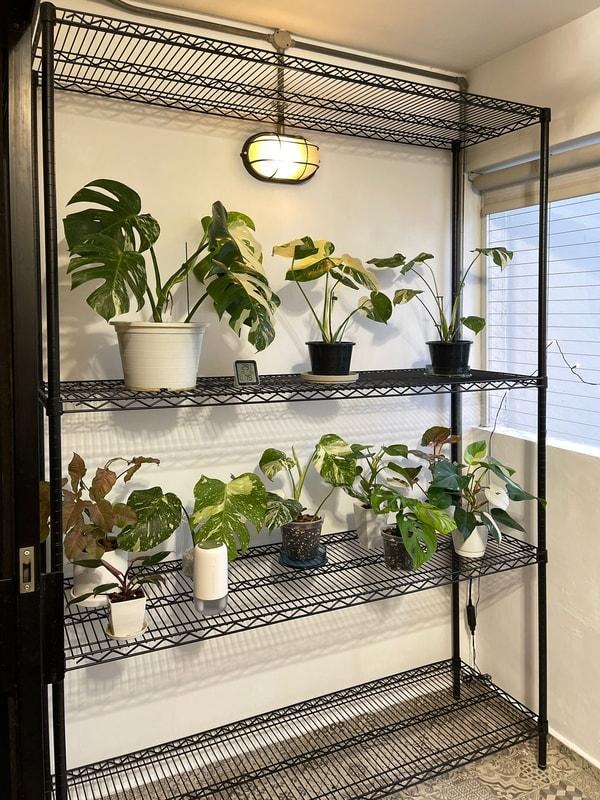
Wire shelving is valued for its open design, allowing excellent airflow and reducing dust accumulation. This makes it suitable for kitchens, pantries, storerooms, and environments where ventilation is important. The open construction also improves visibility, making stored items easier to locate.
Boltless shelving is designed for quick assembly without complicated tools. Adjustable shelf heights allow users to accommodate items of different sizes, making this option highly versatile for both residential and commercial storage.
Heavy-duty shelving provides significantly greater load capacity. Built with reinforced steel components, these systems are commonly used in warehouses, workshops, factories, and commercial storerooms where bulky equipment or large quantities of inventory require reliable support.
Mobile shelving systems offer flexibility by allowing units to be moved as storage needs change. These solutions are useful in offices, libraries, archives, and retail environments where layouts are frequently updated.
Selecting the correct shelving type requires balancing durability, accessibility, available floor space, and the weight of stored items.
Matching Shelving to Different Rooms
Every room serves a different purpose, and shelving should support those specific functions rather than applying the same storage solution throughout a property.
Store rooms often contain seasonal decorations, household supplies, luggage, and cleaning equipment. Adjustable shelving allows these varied items to be organised efficiently while making future rearrangement simple.
Kitchen storage benefits from shelving that promotes ventilation and easy cleaning. Open shelving designs help prevent moisture buildup while allowing ingredients and cookware to remain accessible.
Office environments require organised document storage, office supplies, and equipment. Adjustable shelves accommodate changing storage needs while keeping workspaces uncluttered and productive.
Warehouses depend on strong shelving capable of supporting heavy inventory. Proper aisle spacing, accessibility, and weight distribution become essential for operational efficiency and workplace safety.
Retail businesses need storage that supports both customer displays and backroom inventory. Well-planned shelving improves stock management while allowing employees to retrieve products quickly during daily operations.
Matching shelving systems to each environment improves organisation, extends product lifespan, and reduces long-term maintenance requirements.
Factors That Affect Shelving Performance
Several factors determine whether a shelving system performs efficiently over many years. Weight capacity, shelf configuration, ventilation, and material quality all contribute to durability and functionality.
Weight capacity should always exceed expected storage loads. Overloading shelves can cause structural damage, instability, and safety hazards. Proper load distribution across multiple shelves also helps maintain stability.
Shelf spacing determines how effectively vertical space is utilised. Adjustable shelves allow users to customise storage for boxes, equipment, household items, and oversized containers without wasting valuable height.
Ventilation is another important consideration. Open wire shelving designs improve airflow around stored items, reducing moisture buildup and helping maintain cleaner storage conditions. Companies such as Jin Yu Trading Pte Ltd, a Singapore-based supplier specialising in heavy-duty boltless shelves and wire storage racks for home and industrial use, demonstrate how customised storage solutions can optimise compact apartment bomb shelters, storerooms, bedrooms, and other storage areas while maintaining both durability and accessibility.
Material quality directly influences longevity. High-grade steel, corrosion-resistant finishes, and durable coatings help shelving withstand daily use while reducing maintenance needs. Choosing quality materials often results in lower replacement costs over time and greater reliability in demanding environments.
Common Mistakes People Make When Buying Shelves
Selecting shelving without proper planning often leads to inefficient storage and unnecessary expenses. Understanding common purchasing mistakes helps buyers choose systems that better meet their long-term needs.
Some of the most frequent mistakes include:
- Focusing only on price instead of durability. Lower-cost shelving may seem attractive initially, but inferior materials can wear out quickly under regular use. Investing in stronger materials often provides better long-term value through improved reliability and reduced replacement costs.
- Ignoring weight capacity requirements. Purchasing shelves that cannot safely support intended loads creates safety risks and shortens the product’s lifespan. Storage needs should always be calculated before selecting shelving specifications.
- Failing to measure available space accurately. Many buyers purchase shelving before carefully measuring ceiling height, wall dimensions, and door clearance. Accurate measurements help maximise storage capacity while maintaining comfortable access.
- Choosing fixed shelving when flexibility is needed. Adjustable shelving allows future modifications as storage requirements change. Fixed shelving may become limiting as new items are added over time.
- Overlooking environmental conditions. Humidity, temperature fluctuations, and exposure to moisture can affect shelving performance. Selecting materials suitable for the intended environment improves durability and protects stored items.
Avoiding these common errors helps ensure shelving remains practical, safe, and adaptable for many years.
Planning Your Storage Layout Before Purchasing
A well-planned storage layout ensures shelving delivers maximum efficiency while maintaining safe movement throughout the space. Planning before purchasing also prevents costly mistakes and improves overall organisation.
The first step involves identifying the types of items that require storage. Large containers, small household goods, office supplies, tools, and inventory each require different shelf dimensions and spacing.
Traffic flow should also be considered. Frequently accessed items should remain within easy reach, while less frequently used belongings can occupy higher or lower shelves. Maintaining clear walkways improves both convenience and safety.
Future storage growth is another important consideration. Selecting modular or adjustable shelving allows expansion without replacing entire storage systems as requirements evolve.
Vertical space often remains underutilised. Extending shelving upward while maintaining safe access significantly increases storage capacity without occupying additional floor area.
Finally, grouping similar items together simplifies inventory management, reduces search time, and creates a more organised environment. Effective layout planning transforms shelving from simple furniture into a comprehensive storage solution.
Long-Term Benefits of Investing in Quality Shelving
Quality shelving represents a long-term investment that continues delivering value through improved organisation, durability, and operational efficiency. Selecting well-designed storage systems provides benefits that extend beyond simply storing belongings.
Some of the lasting advantages include:
- Greater durability and reduced maintenance. High-quality shelving withstands daily use more effectively, requiring fewer repairs and replacements over its lifespan. Durable materials maintain structural integrity even under demanding conditions.
- Improved organisation across different environments. Clearly organised storage reduces time spent searching for items, improving productivity in homes, offices, warehouses, and retail settings while reducing unnecessary clutter.
- Better space utilisation. Proper shelving makes full use of vertical storage, increasing capacity without expanding the physical footprint of the room. This is especially valuable in compact apartments and limited storage areas.
- Enhanced workplace and household safety. Stable shelving with appropriate weight capacity reduces the risk of collapsed shelves, falling objects, and cluttered walkways, creating safer environments for everyone.
- Adaptability for changing storage needs. Adjustable shelving systems accommodate evolving storage requirements, making them suitable for growing families, expanding businesses, and changing inventories without requiring complete replacement.
Investing in quality shelving supports efficient organisation while providing dependable storage for many years.
Conclusion
Choosing the right shelving system requires careful consideration of storage needs, available space, weight capacity, material quality, and long-term flexibility. Different environments demand different solutions, whether organising a home storeroom, managing office supplies, storing warehouse inventory, or improving retail operations.
Understanding the strengths of various shelving systems, avoiding common purchasing mistakes, planning storage layouts carefully, and investing in durable materials all contribute to better organisation and improved efficiency. A well-selected shelving system not only maximises available space but also creates safer, more accessible, and more functional storage environments that continue providing value well into the future.