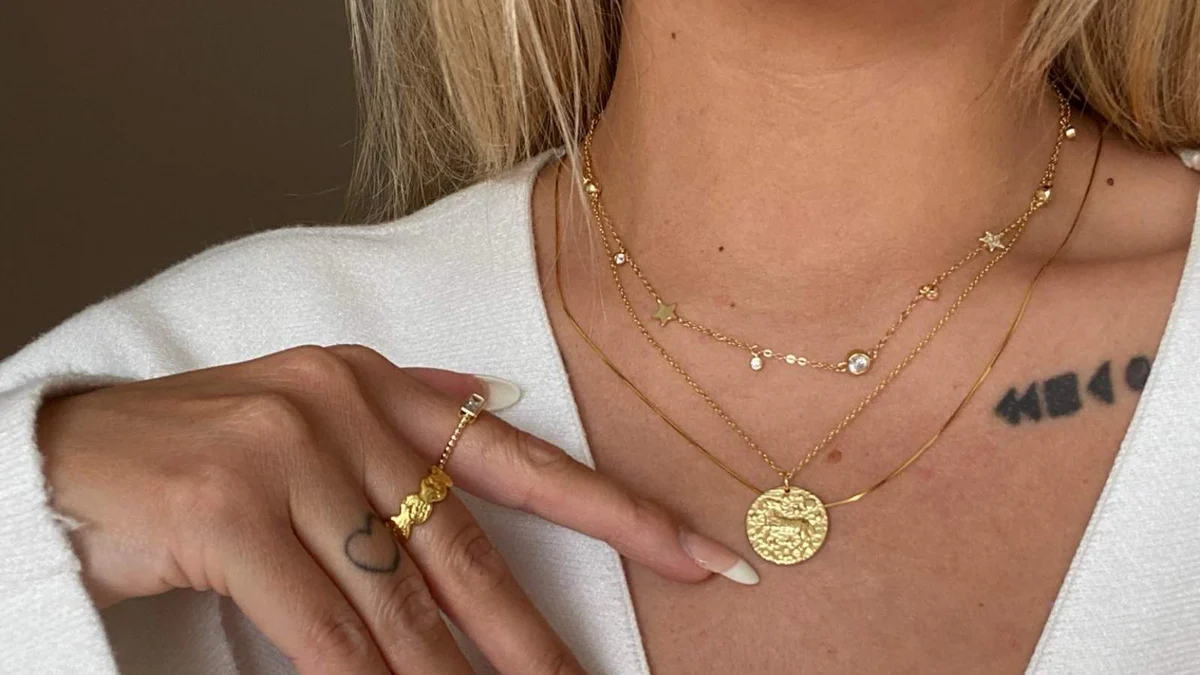
Jewelry layering is one of the easiest ways to elevate an outfit without buying an entirely new wardrobe. A few well-chosen necklaces, bracelets, or rings can transform even the simplest clothing into a polished, stylish look. The key, however, is balance. Wearing too many pieces without a plan can make your accessories compete for attention instead of complementing each other.
Learning how to layer jewelry isn’t about following strict fashion rules. It’s about understanding proportion, texture, and personal style. Whether you prefer minimalist elegance or bold statement pieces, you can create a layered look that feels intentional rather than overwhelming.
Start
Every successful layered look begins with a focal point. Instead of putting on every favorite accessory at once, choose one piece that naturally draws attention. It could be a pendant necklace, a chunky bracelet, or a ring with a colorful gemstone.
Once you’ve selected your main piece, build around it with simpler accessories. This creates harmony and prevents every item from competing for the spotlight.
Think of your statement piece as the centerpiece and the remaining jewelry as supporting details.
Balance
Balance is more important than quantity. Wearing five necklaces, ten rings, and stacked bracelets together may work for some fashion-forward styles, but most everyday outfits look better with moderation.
If you’re wearing bold layered necklaces, keep your rings and bracelets more subtle. On the other hand, if you’ve stacked multiple rings, choose a single necklace or a delicate layered chain to maintain visual balance.
Distributing jewelry evenly across your outfit helps create a clean and sophisticated appearance.
Necklaces
Layering necklaces is one of the most popular jewelry trends because it adds depth without requiring dramatic pieces.
The easiest way to start is by combining necklaces of different lengths. This prevents chains from tangling and allows each pendant or charm to remain visible.
A simple combination might include:
- A short choker or collar necklace
- A medium-length chain
- A longer pendant necklace
Leaving small spaces between each necklace helps each piece stand out while creating an elegant layered effect.
Lengths
Choosing different chain lengths is essential. Necklaces that sit at the same position often overlap and become difficult to distinguish.
A gradual difference of two to four inches between necklaces usually creates enough separation. Mixing chain styles, such as cable, rope, or box chains, also adds texture without making the look feel busy.
Avoid combining too many oversized pendants. Usually, one pendant is enough while the remaining necklaces stay simple.
Metals
Many people wonder whether mixing gold and silver jewelry is acceptable. Modern fashion says yes.
Mixing metals creates a fresh, contemporary style when done thoughtfully. The easiest approach is to repeat each metal at least twice. For example, pair a gold necklace with gold rings while adding a silver bracelet and silver earrings.
Repeating colors throughout your accessories makes the combination feel intentional instead of accidental.
If you’re new to mixing metals, start with jewelry that already combines gold and silver within one design.
Bracelets
Bracelet stacking follows the same principle as necklace layering. Mix different textures and widths instead of wearing identical pieces.
A balanced bracelet stack may include:
- A slim chain bracelet
- A simple bangle
- A beaded bracelet
- A small cuff
Combining different materials adds interest while keeping your wrist comfortable.
Avoid stacking bracelets so tightly that they cannot move naturally.
Texture
Texture creates depth even when jewelry shares the same color.
Try combining polished metal with matte finishes, pearls, gemstones, woven bands, or subtle beads. Small differences in texture make each bracelet unique without adding unnecessary bulk.
When every bracelet has the same size, shape, and finish, the stack may look flat rather than stylish.
Rings
Ring stacking allows you to express personality without overwhelming your hands.
Instead of wearing large rings on every finger, combine one or two statement rings with several delicate bands.
You can also wear rings across different fingers instead of stacking everything on one hand. This creates visual balance while remaining comfortable.
Thin stacking rings are especially versatile because they can be mixed in countless ways.
Placement
Spacing matters when stacking rings.
You don’t need every finger to be covered. Leaving one or two fingers without rings gives the eye a place to rest and keeps the overall appearance elegant.
You can also mix traditional rings with midi rings that sit above the knuckle for added dimension without increasing bulk.
Comfort should always come before style. Rings should allow natural hand movement without feeling tight.
Outfit
Your clothing should influence how much jewelry you wear.
A simple white shirt or black dress pairs beautifully with layered jewelry because the accessories become the highlight.
If your clothing already includes bold prints, sequins, heavy embroidery, or bright colors, choose fewer jewelry pieces to avoid visual clutter.
The goal is for your outfit and accessories to complement one another rather than compete.
Occasion
Different occasions call for different levels of layering.
For everyday wear, two necklaces, a few bracelets, and two or three rings usually create a refined appearance.
For formal dinners or weddings, you can add more sparkle while still keeping one clear focal point.
Professional workplaces often look best with subtle layers that enhance your appearance without becoming distracting.
Matching your jewelry to the occasion ensures your accessories always feel appropriate.
Mistakes
Many people make similar layering mistakes when building their jewelry collection.
Common mistakes include:
- Wearing every statement piece together.
- Using necklaces of identical lengths.
- Stacking bracelets too tightly.
- Wearing oversized rings on every finger.
- Ignoring outfit colors and textures.
- Forgetting comfort.
- Mixing styles without a clear theme.
Avoiding these mistakes instantly creates a more polished appearance.
Style
The best layered jewelry reflects your personality.
Minimalists often prefer delicate chains, thin bands, and simple bangles. Those who enjoy bold fashion may mix chunky chains, colorful gemstones, and textured bracelets.
Rather than copying every trend, experiment until you discover combinations that feel authentic.
Building your own signature style makes your accessories memorable and timeless.
Care
Proper storage helps layered jewelry stay beautiful for years.
Store necklaces separately to prevent tangles. Keep rings and bracelets in soft-lined compartments to reduce scratches. Wipe jewelry with a clean cloth after wearing it to remove oils and dirt.
Removing jewelry before swimming, showering, or exercising also extends its lifespan.
Well-maintained jewelry always looks more elegant, no matter how simple the design.
Conclusion
Layering necklaces, bracelets, and rings is about creating balance instead of adding as many accessories as possible. By choosing one focal piece, varying lengths and textures, mixing metals thoughtfully, and matching your jewelry to your outfit, you can achieve a stylish look that feels effortless.
Fashion trends may change, but balanced styling never goes out of style. Start with a few favorite pieces, experiment with different combinations, and build a layered look that reflects your personality. When done with intention, layered jewelry enhances your appearance without ever feeling excessive.