A comfortable home is not only about attractive interiors, good furniture, or modern appliances. Indoor air quality plays a major role in creating a healthy and pleasant living environment, notes Bowen Property Management, a trusted provider of property management in Berkeley County. Many homeowners focus on heating and cooling systems but overlook ventilation, even though proper airflow helps remove pollutants, moisture, odors, and stale air from indoor spaces.
Modern homes are often built with better insulation and tighter construction to improve energy efficiency. While this helps reduce heating and cooling costs, it can also limit natural airflow and trap indoor contaminants. Without proper ventilation, homes may experience problems such as mold growth, excessive humidity, unpleasant smells, and poor air quality.
Improving home ventilation does not always require a complete renovation. Simple upgrades like installing exhaust fans, adding air circulation solutions, or investing in whole-house ventilation systems can make a noticeable difference. This guide explains different ventilation options, their benefits, installation costs, energy-saving advantages, and how to choose the right solution for your home.
Why Home Ventilation Is Important
Ventilation is the process of exchanging indoor air with fresh outdoor air. A properly ventilated home allows polluted air to escape while bringing cleaner air inside. This continuous airflow helps maintain healthier indoor conditions.
Daily activities such as cooking, showering, cleaning, and even breathing release moisture and airborne particles. Without proper ventilation, these pollutants can accumulate over time.
Poor ventilation can lead to:
- Increased humidity levels
- Mold and mildew growth
- Musty odors
- Dust accumulation
- Poor sleep quality
- Higher indoor pollutant levels
- Damage to walls, ceilings, and furniture
A good ventilation system creates balanced airflow throughout the house, improving comfort and protecting the structure of the property.
Signs Your Home Needs Better Ventilation
Many homeowners do not realize they have ventilation problems until visible issues appear. Paying attention to warning signs can help prevent expensive repairs.
Common signs include:
Excess Moisture and Condensation
Water droplets on windows, damp walls, or constantly humid rooms may indicate poor air circulation. Bathrooms, kitchens, and basements are especially vulnerable because they produce more moisture.
Persistent Odors
If cooking smells, pet odors, or chemical smells remain indoors for hours, your home may not have enough airflow to remove contaminated air.
Mold Growth
Dark spots on walls, ceilings, or around windows often indicate excess moisture. Mold can damage your property and negatively affect indoor air quality.
Stuffy Indoor Air
Rooms that feel uncomfortable, warm, or stale even with proper temperature control may need improved ventilation.
Excessive Dust
Poor airflow allows dust particles and allergens to remain suspended indoors, making cleaning more difficult.
Exhaust Fans: A Simple Ventilation Solution
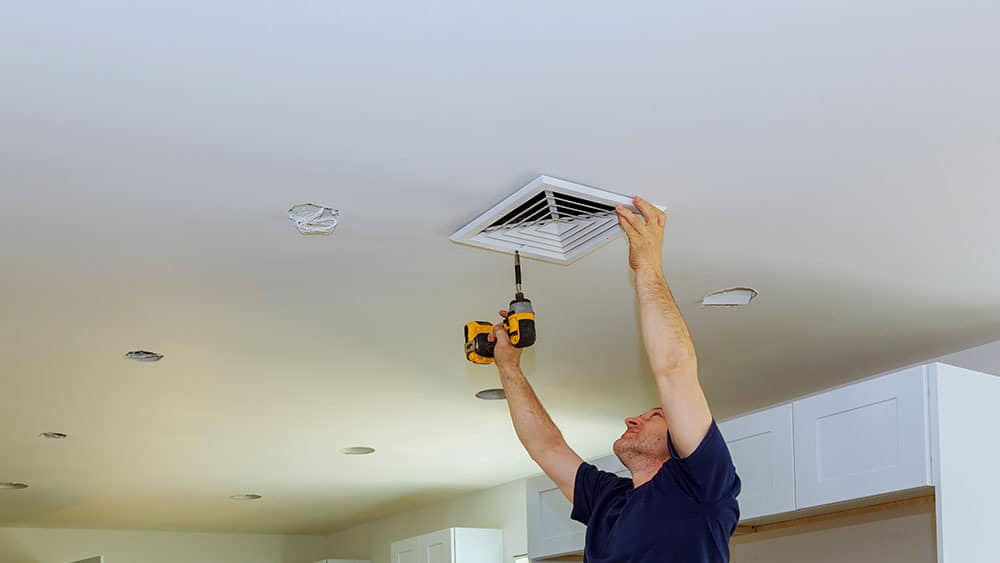
Exhaust fans are one of the most common and affordable ways to improve ventilation. They work by removing unwanted air from specific areas and pushing it outside through a vent.
Most homes use exhaust fans in moisture-heavy areas such as bathrooms, kitchens, and laundry rooms.
Bathroom Exhaust Fans
Bathrooms produce large amounts of steam during showers and baths. A quality exhaust fan removes humid air before it causes mold or moisture damage.
Benefits include:
- Reduced humidity
- Prevention of mold growth
- Less condensation
- Fresher bathroom air
Modern bathroom fans often include features such as humidity sensors, timers, and quiet operation.
Kitchen Exhaust Fans
Cooking releases smoke, grease particles, odors, and moisture. A kitchen range hood or exhaust fan helps remove these pollutants.
A good kitchen ventilation system improves comfort by:
- Removing cooking smells
- Reducing airborne grease
- Improving indoor air quality
- Preventing buildup on cabinets and walls
Laundry Room Ventilation
Laundry areas can produce heat and moisture, especially when using dryers. Proper ventilation helps maintain a healthier environment and prevents damp conditions.
Whole-House Ventilation Systems
While exhaust fans work well for individual rooms, whole-house ventilation systems provide complete airflow management throughout the property.
These systems are designed to bring fresh outdoor air inside while removing stale indoor air.
The main types include:
Balanced Ventilation Systems
Balanced ventilation systems use separate fans to control incoming and outgoing air. They provide consistent airflow without creating pressure problems inside the home.
These systems are suitable for modern energy-efficient homes because they maintain indoor air quality without excessive energy loss.
Heat Recovery Ventilators (HRVs)
Heat recovery ventilators exchange indoor and outdoor air while transferring heat between the two air streams.
During winter, an HRV captures heat from outgoing warm air and transfers it to incoming cold air. This reduces heating demand.
Benefits include:
- Improved energy efficiency
- Fresh air circulation
- Reduced heating costs
- Better indoor comfort
Energy Recovery Ventilators (ERVs)
Energy recovery ventilators work similarly to HRVs but also transfer humidity between air streams.
ERV systems are especially useful in climates with high humidity because they help control moisture levels.
Advantages include:
- Better humidity management
- Improved comfort
- Lower cooling costs
- Cleaner indoor air
Air Quality Solutions for Better Indoor Environments
Ventilation is only one part of improving indoor air quality. Combining airflow improvements with other solutions creates a healthier home.
Air Purifiers
Air purifiers use filters to remove airborne particles such as dust, pollen, smoke, and pet dander.
High-efficiency filters, including HEPA filters, can significantly reduce small airborne particles.
HVAC Filtration Upgrades
Replacing standard HVAC filters with higher-quality filters can improve air cleanliness. However, homeowners should choose filters that match their HVAC system because overly restrictive filters may reduce airflow.
Humidity Control
Maintaining balanced humidity is essential. Indoor humidity levels between approximately 30% and 50% are generally considered comfortable for most homes.
Solutions include:
- Dehumidifiers for damp areas
- Humidifiers during dry seasons
- Ventilation systems with moisture control
Smart Indoor Air Quality Monitors
Smart sensors can track:
- Humidity levels
- Carbon dioxide levels
- Temperature
- Airborne pollutants
These devices help homeowners understand when ventilation improvements are needed.
Energy Efficiency and Home Ventilation
Many homeowners worry that bringing outdoor air inside will increase energy costs. However, modern ventilation technology is designed to improve air quality while reducing unnecessary energy waste.
Energy-efficient ventilation systems recover heat or cooling energy from outgoing air, reducing the workload on heating and cooling equipment.
Benefits of energy-efficient ventilation include:
- Lower utility bills
- Reduced HVAC workload
- Better temperature control
- Improved indoor comfort
A well-designed ventilation system can actually make a home more efficient because HVAC systems do not need to constantly fight against poor air circulation and moisture problems.
Natural Ventilation vs Mechanical Ventilation
Homeowners often choose between natural and mechanical ventilation.
Natural Ventilation
Natural ventilation uses windows, doors, vents, and architectural design to allow airflow.
Advantages:
- Low cost
- Simple maintenance
- No electricity use
Disadvantages:
- Depends on weather conditions
- Less control over airflow
- May introduce outdoor pollutants
Mechanical Ventilation
Mechanical systems use fans and equipment to control air movement.
Advantages:
- Consistent airflow
- Better air quality control
- Works in all weather conditions
Disadvantages:
- Higher installation cost
- Requires maintenance
Many modern homes combine both approaches for the best results.
Home Ventilation Installation Costs
The cost of improving ventilation depends on the type of system, home size, installation complexity, and labor rates.
Average cost ranges include:
Exhaust Fan Installation
Installing a basic exhaust fan may cost around $200 to $600 per fan, depending on wiring, ductwork, and installation difficulty.
High-end models with sensors, smart controls, and quieter motors may cost more.
Whole-House Ventilation Systems
A complete whole-house ventilation system typically costs between $2,000 and $7,000.
Factors affecting price include:
- System type
- Home size
- Existing ductwork
- Installation complexity
- Equipment quality
HRV and ERV Installation
Heat recovery and energy recovery systems generally range from $2,500 to $8,000 installed.
Although the initial investment is higher, these systems can provide long-term energy savings and improved comfort.
DIY Ventilation Improvements
Some ventilation upgrades can be handled by homeowners, while others require professional installation.
Simple improvements include:
- Opening windows regularly when weather allows
- Cleaning HVAC filters
- Using bathroom fans during showers
- Keeping air vents clear
- Reducing indoor moisture sources
However, electrical work, duct installation, and whole-house ventilation systems should usually be handled by qualified professionals.
Incorrect installation can reduce efficiency and create safety issues.
Maintenance Tips for Ventilation Systems
Regular maintenance keeps ventilation equipment working properly.
Important maintenance tasks include:
- Cleaning exhaust fan covers
- Replacing air filters regularly
- Checking ventilation ducts
- Inspecting outdoor vents
- Cleaning HRV and ERV components
- Monitoring indoor humidity levels
A neglected ventilation system can lose efficiency and fail to provide proper air exchange.
When to Hire a Professional Ventilation Contractor
Professional help is recommended when installing complex systems or diagnosing serious air quality issues.
Consider hiring a contractor if:
- Your home has persistent moisture problems
- Mold keeps returning
- Existing ventilation is inadequate
- You need new ductwork
- You want a whole-house system installed
A professional can evaluate your home, calculate airflow requirements, and recommend the most suitable ventilation solution.
Choosing the Right Home Ventilation System
The best ventilation solution depends on several factors, including:
- Home size
- Climate
- Existing HVAC system
- Indoor air quality concerns
- Energy efficiency goals
- Budget
For small improvements, exhaust fans may be enough. For tightly sealed modern homes, whole-house ventilation systems like HRVs or ERVs may provide better results.
Before making a decision, evaluate your current air quality problems and consider both short-term costs and long-term benefits.
Final Thoughts
Proper home ventilation is essential for maintaining healthy indoor air, controlling moisture, and improving overall comfort. Whether you choose simple exhaust fans, advanced whole-house ventilation, or additional air quality solutions, better airflow can protect your home and your family.
Although ventilation improvements require an upfront investment, the benefits include cleaner air, fewer moisture problems, improved energy efficiency, and a more comfortable living environment. By choosing the right system and maintaining it properly, homeowners can create a healthier and more efficient home for years to come.