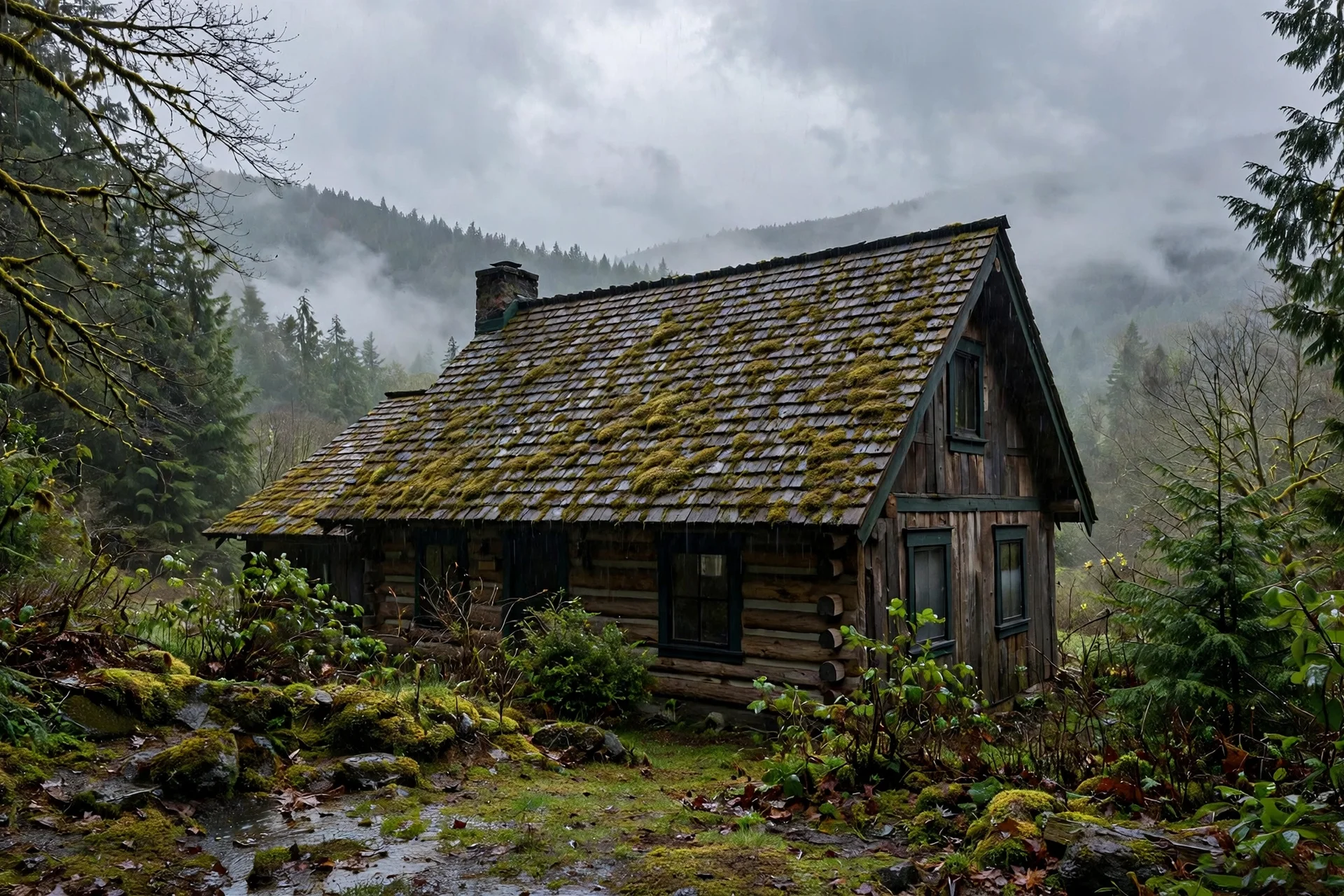
A cedar shake roof can last 30 to 40 years, and some well-cared-for roofs have passed 50, but in a wet climate that lifespan is earned rather than guaranteed. Constant rain, shade, and humidity create ideal conditions for moss and algae, and once organic growth takes hold it traps moisture against the wood, accelerating rot and shortening the roof’s life by a decade or more. The good news is that most of the damage is preventable with a simple rhythm of inspection, gentle cleaning, and periodic treatment.
The direct answer is that cedar shake maintenance in a wet climate comes down to five things: keeping the roof clean, keeping it dry through ventilation and drainage, removing moss before it roots, replenishing preservative treatments every few years, and replacing damaged shakes promptly. This guide explains each of those in practical detail, including the cleaning methods that protect the wood and the mistakes, such as pressure washing, that destroy it.
Why Cedar Shake Roofs Need a Different Routine in Wet Climates
Cedar contains natural extractives that resist decay, which is why it has been used for roofing for centuries. Sunlight and rain slowly leach those compounds out of the surface, and ultraviolet radiation breaks down the lignin that holds the wood fibres together, which is why shakes turn silver-grey as they age. In a dry climate this weathering is mostly cosmetic. In a wet climate it is the start of a cycle: once the surface is weathered, it holds moisture longer, and moisture invites moss, algae, and fungi.
What Rain, Moss, and Shade Do to Cedar Shakes
Rain itself does not harm cedar. Western red cedar is naturally resistant to moisture, and a shake roof is designed to shed water course by course. The damage comes from water that stays. Moss is the main culprit: it grows in the rough texture of the shakes, holds water like a sponge, and lifts the edges of shakes so that wind-driven rain can get underneath. Algae stains the surface and holds moisture in a thinner layer, while lichen anchors itself into the wood fibres and is harder to remove without damaging the shake.
Shade makes everything worse. North-facing slopes and sections under overhanging trees stay damp far longer after rain, and those are the places where moss establishes first. A roof that gets morning sun dries quickly and resists growth; a roof that stays shaded until afternoon may never fully dry in winter. Trimming back overhanging branches is one of the most effective maintenance steps a homeowner can take, because it brings both sunlight and airflow to the roof surface.
The Twice-Yearly Cedar Shake Inspection Routine
A cedar shake roof in a wet climate should be inspected twice a year, ideally in early spring and late autumn. Spring inspection catches winter damage before the heavy rains of autumn arrive, and autumn inspection clears the roof of fallen leaves and prepares it for the wet season. A ground-level inspection with binoculars catches most problems, and a closer look from a ladder at the eaves covers the rest. Walking on a cedar roof should be avoided when possible, because foot traffic can crack shakes, especially when they are wet or frozen.
- Inspect in early spring and late autumn, before and after the wettest months.
- Use binoculars from the ground and a ladder at the eaves; avoid walking on the shakes.
- Check valleys, chimneys, skylights, and ridge caps first, because debris and water concentrate there.
- Look inside the attic for damp sheathing, which reveals leaks the outside inspection missed.
Cleaning Cedar Shakes Without Pressure Washing
Cleaning is the single most effective maintenance task, and it must be done gently. The correct method is a soft-bristle brush and a cleaning solution formulated for wood roofs, applied at low pressure. A soft wash system, which applies a biodegradable solution at garden-hose pressure and lets it work before rinsing, removes moss, algae, and surface grime without damaging the wood fibres. The roof should be cleaned at least once a year in a wet climate, typically in late spring after the heavy rain season subsides, so that the shakes enter the drier months clean.
Pressure washing is the one cleaning method that must never be used on cedar. A high-pressure stream strips the soft springwood from the shake surface, leaves the harder summerwood exposed and rough, and forces water deep into the wood. The damage is not always visible immediately, but pressure-washed shakes cup and curl faster, absorb more water, and rot sooner. Any contractor who proposes pressure washing a cedar roof should be turned away, no matter how convincing the before-and-after photographs look.
After cleaning, the roof should be rinsed thoroughly and allowed to dry completely before any treatment is applied. Debris should be cleared from the valleys and gutters at the same time, because a clean roof with clogged gutters still holds water against the eaves. For roofs with heavy moss, a second gentle cleaning a few weeks later may be needed to remove the dead growth that the first pass loosened.
Moss and Algae Control That Lasts Through the Rainy Season
Removing moss is only half the job; preventing it from returning is the other half. After cleaning, a preventive treatment with copper or zinc compounds inhibits regrowth for several months. Zinc strips installed near the ridge are a long-lasting option: rainwater washing over the strips carries trace amounts of zinc down the roof, which discourages moss and algae across the whole slope. Copper strips work the same way and are slightly more effective, though they cost more and can stain light-coloured surfaces below.
| Season | Maintenance task | Why it matters in a wet climate |
|---|---|---|
| Early spring | Full inspection, replace damaged shakes | Catches winter damage before autumn rains |
| Late spring | Soft-wash cleaning, moss treatment | Removes growth before the drier months |
| Summer | Trim overhanging branches, check ventilation | Maximises sunlight and airflow to the roof |
| Late autumn | Clear debris, inspect valleys and gutters | Prepares the roof for the wettest season |
Preservative Treatments That Feed Cedar in Damp Climates
Preservative treatments replenish the natural oils that rain and sun leach out of cedar, and in a wet climate they are applied every three to five years. Penetrating oil-based preservatives work well on seasoned cedar because they carry mildewcides deep into the grain, strengthen water repellency, and do not form a thick film that can trap moisture. Water-based treatments can also perform well, especially newer hybrid formulas that combine oils with water carriers to reduce volatile organic compounds.
Preservatives are supportive rather than magical. The best product will fail on a dirty, shaded, poorly ventilated roof, and no treatment can save shakes that are already rotted through. Treatment should be seen as one part of the maintenance routine, alongside cleaning, ventilation, and prompt repair. Homeowners who invest in regular preservative treatment often extend their roof’s functional life by a decade or more compared with neglected installations, which makes the cost highly worthwhile over the life of the roof.
Replacing Individual Split, Curled, or Rotted Shakes
Individual shake replacement is a straightforward repair and one of the most valuable skills for a cedar roof owner. A damaged shake is removed by splitting it out with a chisel or a specialised shake puller, taking care not to damage the shakes above and below it. The replacement shake is cut to size, slid into place from below, and fastened with two corrosion-resistant nails driven through the shake above, so that the nail heads are hidden by the overlapping course.
Ventilation and Drainage Fixes That Keep Shakes Dry
Ventilation matters more than cosmetics for a cedar roof. A system that can breathe will outlast one that received an expensive treatment but sits over a warm, moist attic. Warm, moist air rising from the living space condenses on the underside of the roof deck, and that condensation keeps the shakes damp from below even when the weather is dry. Ridge vents combined with soffit vents create a continuous airflow that carries that moisture away, and in a wet climate this airflow is as important as the cleaning routine.
Cedar breather underlayment is the modern standard for wet-climate installations. It is a three-dimensional mesh that sits between the shakes and the roof deck, allowing moisture to escape from the wood while preventing water infiltration from outside. Interlayment felt strips, installed between each course of shakes, provide an additional water-shedding barrier, a traditional technique that has protected cedar roofs for over a century and remains essential where driving rain can penetrate even a well-installed roof.
When Cedar Shake Damage Means Repair, Restoration, or Replacement
Not every damaged cedar roof needs the same response, and choosing the right one saves both money and the roof itself. Minor damage, a few split or curled shakes, moss growth, and surface weathering, is a repair job: clean the roof, replace the damaged shakes, and apply a preservative treatment. The roof keeps its structure and most of its remaining life. Moderate damage, where a significant proportion of shakes are worn but the deck and underlayment are sound, is a restoration job: professional cleaning, preservative treatment, and replacement of damaged units while retaining the original roof structure.
| Condition | Right response | Typical scope |
|---|---|---|
| A few split or curled shakes | Repair | Replace damaged shakes, clean, treat |
| Widespread wear, sound deck | Restore | Professional cleaning, treatment, replace damaged units |
| Rotted shakes, failing underlayment | Replace | Full tear-off, new underlayment, new shakes |
Cedar Shake Roof Care FAQs for Wet-Climate Homeowners
How long does a cedar shake roof last in a wet climate?
A properly installed and maintained cedar shake roof in a wet climate typically lasts 25 to 40 years, and some installations have exceeded 50 years with exceptional care. Without maintenance, the same roof may need replacement in 15 to 20 years, so the maintenance routine is worth roughly a decade or more of extra life.
Can I pressure wash my cedar shake roof?
No. Pressure washing strips the soft wood fibres from the shake surface, forces water deep into the wood, and accelerates cupping, curling, and rot. Use a soft-bristle brush or a low-pressure soft wash with a wood-roof cleaning solution instead.
How often should a cedar roof be cleaned in a wet climate?
At least once a year, typically in late spring after the heavy rain season subsides. Roofs in very wet or heavily shaded locations may need cleaning twice a year, and a preventive moss treatment after each cleaning helps keep growth thin through the rainy season.
What is the grey colour on my cedar shakes?
The grey colour is weathering: ultraviolet light breaks down the lignin at the wood surface, and rain leaches out the natural extractives. It is mostly cosmetic, and a roof can be sound while fully grey. Preservative treatments can slow the greying, but they will not restore the original colour permanently.
Do zinc strips really stop moss on cedar roofs?
They help significantly. Rainwater washing over a zinc strip near the ridge carries trace zinc down the slope, which inhibits moss and algae growth. They are not a complete substitute for cleaning, but they extend the interval between cleanings, particularly on the upper courses of the roof.
When should I call a professional instead of doing cedar maintenance myself?
Call a professional for any work that requires walking on the roof, for replacing more than a few shakes, for restoration or preservative treatment of a large roof, and whenever the inspection reveals soft or rotted shakes, damp sheathing in the attic, or damage around chimneys and skylights. A professional roofer who specialises in cedar is worth finding.
Final Thoughts: Keeping a Cedar Shake Roof Sound Through Wet Winters
A cedar shake roof in a wet climate rewards the owner who gives it air, cleanliness, and a light touch. The routine is not complicated: inspect twice a year, clean gently once a year, treat moss before it roots, replenish preservatives every few years, and replace damaged shakes as they appear. The mistakes to avoid are equally simple: never pressure wash, never seal the wood with a film-forming coating, and never let debris sit in the valleys. Follow that routine, and a cedar roof that might have lasted 15 neglected years can protect the house for 40. In a climate where rain is a fact of life, that difference is the whole value of the roof.