A bathroom is one of the most important spaces in any home, but it can also become one of the most challenging areas for people with mobility limitations, seniors, or anyone recovering from an injury, observes InterWest Properties, a trusted provider of property management in Hillsboro. Traditional bathroom layouts often include slippery floors, high bathtub walls, limited support options, and narrow spaces that make everyday activities difficult and unsafe.
Bathroom accessibility remodeling focuses on creating a safer, more comfortable, and easier-to-use environment without sacrificing style. Whether you are planning for aging in place, helping a family member with mobility needs, or simply improving your home’s long-term value, an accessible bathroom renovation can make a major difference.
From walk-in showers and grab bars to non-slip flooring and smart aging-in-place designs, there are many ways to transform a standard bathroom into a functional and secure space. Understanding the remodeling options, costs, available grants, and design considerations can help homeowners make better decisions.
What Is Bathroom Accessibility Remodeling?
Bathroom accessibility remodeling involves modifying a bathroom to improve safety, comfort, and usability for people with physical limitations. The goal is to remove barriers that make daily tasks difficult while creating a space that works for people of different ages and abilities.
Unlike regular bathroom renovations that mainly focus on appearance, accessibility remodeling prioritizes features such as:
- Easy entry and exit
- Fall prevention
- Better movement space
- Support and stability
- Comfortable fixtures
- Long-term usability
Many homeowners choose accessibility upgrades before they actually need them because these improvements can help them remain independent in their homes as they get older.
Why Consider an Accessible Bathroom Remodel?
Bathrooms are among the most common places where household accidents occur, especially slips and falls. Wet surfaces, poor lighting, and difficult-to-access fixtures can create serious risks.
An accessible bathroom remodel provides several benefits:
Improved Safety
Features such as grab bars, slip-resistant flooring, and walk-in showers reduce the risk of falls and injuries.
Greater Independence
A well-designed bathroom allows seniors and people with mobility challenges to complete daily routines with less assistance.
Increased Home Value
Accessibility features are becoming more attractive to buyers, especially as more people look for homes suitable for aging family members.
Future-Proof Design
Even if accessibility is not currently needed, remodeling with aging-in-place principles can prevent expensive renovations later.
Walk-In Showers: A Key Feature of Accessible Bathrooms
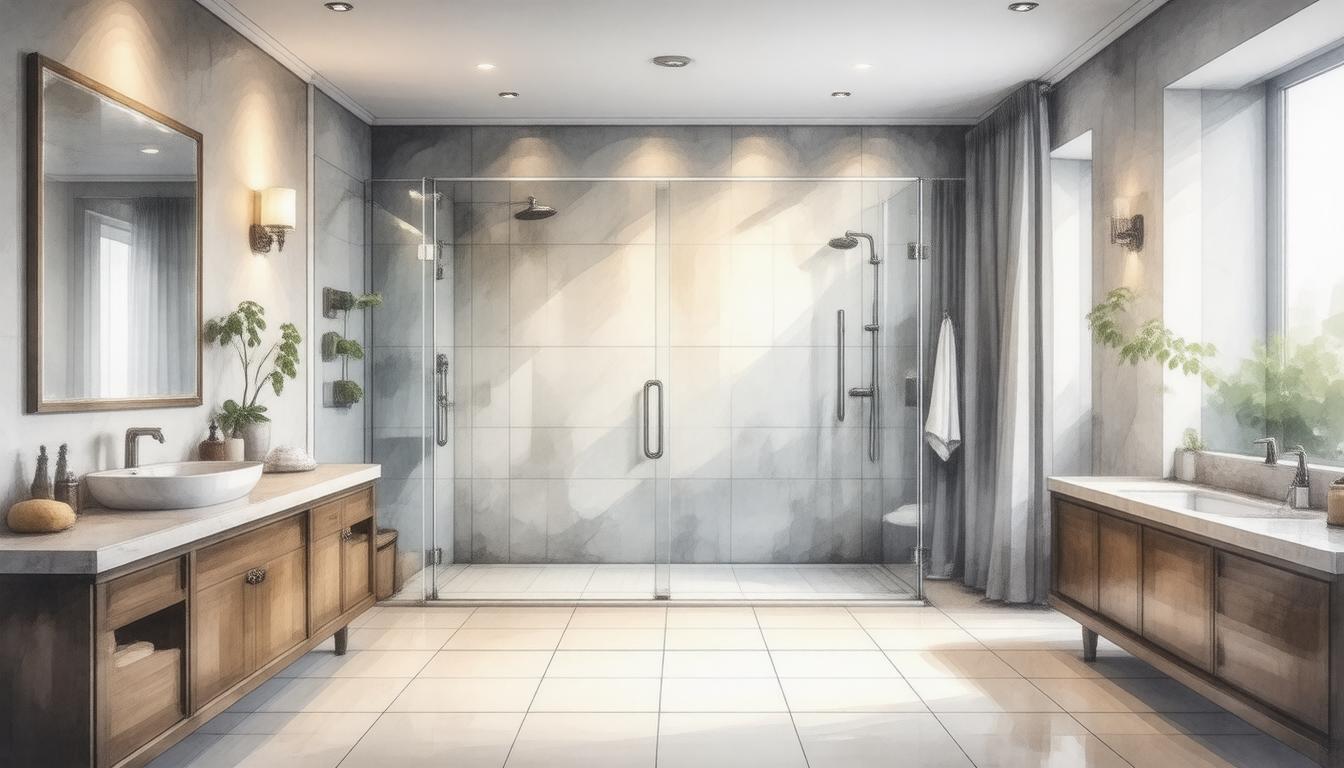
One of the most popular upgrades in accessibility remodeling is replacing a traditional bathtub with a walk-in shower.
Standard bathtubs require users to step over a high edge, which can be difficult and dangerous for people with balance problems. A walk-in shower eliminates this barrier by providing a low or zero-threshold entrance.
Benefits of Walk-In Showers
Walk-in showers offer:
- Easier access for seniors and individuals using mobility aids
- Reduced fall risk
- More comfortable bathing experience
- Modern appearance
- Easier cleaning compared to traditional tubs
Many accessible showers include additional features such as built-in seating, handheld showerheads, and adjustable controls.
Types of Walk-In Showers
Zero-Threshold Showers
A zero-threshold shower has a completely flat entrance, allowing users to walk or roll directly into the shower. This design is especially helpful for wheelchair users.
Low-Threshold Showers
These showers have a small step, usually a few inches high, providing easier access while maintaining a traditional shower appearance.
Roll-In Showers
Roll-in showers are designed for wheelchair accessibility. They provide enough space for turning and movement while eliminating barriers.
Grab Bars and Bathroom Support Features
Grab bars are one of the simplest and most effective bathroom safety improvements. They provide stability when entering the shower, sitting on the toilet, or moving around wet surfaces.
Modern grab bars are available in many styles, including decorative designs that blend with bathroom finishes.
Common Grab Bar Locations
Important areas for grab bar installation include:
- Inside the shower near the entrance
- Shower walls for support while standing
- Next to the toilet
- Near the bathtub area
Professional Installation Matters
A grab bar should be securely attached to wall studs or reinforced areas. Improperly installed grab bars may not support enough weight and can create additional safety risks.
Non-Slip Flooring Options for Accessible Bathrooms
Bathroom floors are naturally exposed to water, making slip resistance one of the most important safety considerations.
Traditional smooth tiles can become extremely slippery when wet. Choosing the right flooring can significantly reduce accidents.
Popular Non-Slip Flooring Choices
Textured Ceramic or Porcelain Tile
These tiles provide durability and water resistance while offering better traction than polished surfaces.
Luxury Vinyl Flooring
Luxury vinyl is becoming popular because it is affordable, comfortable underfoot, and available in slip-resistant designs.
Natural Stone With Textured Finishes
Some natural stone options provide excellent durability when properly treated for bathroom use.
Rubber Flooring
Rubber flooring offers excellent grip and cushioning, making it useful for certain accessibility-focused bathrooms.
Flooring Features to Look For
When choosing accessible bathroom flooring, consider:
- Slip resistance rating
- Water resistance
- Ease of cleaning
- Comfort underfoot
- Durability
Other Important Aging-in-Place Bathroom Design Features
A truly accessible bathroom requires more than a walk-in shower and grab bars. A complete design considers every part of the space.
Wider Doorways
A wider bathroom doorway improves accessibility for wheelchairs, walkers, and mobility devices. Many accessibility designs recommend doorways wide enough for comfortable movement.
Comfort-Height Toilets
Standard toilets can be difficult for some users to sit down on and stand up from. Comfort-height toilets are taller, making transfers easier.
Adjustable Shower Fixtures
Handheld showerheads and adjustable shower controls allow users to customize the bathing experience.
Built-In Shower Seating
A shower bench or fold-down seat provides a place to rest while bathing and improves safety.
Better Lighting
Poor lighting increases fall risks. Accessible bathrooms should include:
- Bright overhead lighting
- Motion-activated lights
- Illuminated switches
- Proper lighting around mirrors and shower areas
Easy-to-Use Faucets and Handles
Lever-style faucets and touchless fixtures are easier to operate than traditional twisting handles.
Bathroom Accessibility Remodeling Costs
The cost of an accessible bathroom remodel depends on the size of the bathroom, materials, labor, and the number of modifications needed.
On average, homeowners may spend between $5,000 and $30,000 or more for accessibility improvements.
Cost Breakdown of Common Upgrades
Walk-In Shower Installation
A walk-in shower typically costs around $3,000 to $15,000 depending on customization, plumbing changes, and materials.
Grab Bar Installation
Grab bars usually cost between $100 and $500 each, including professional installation.
Non-Slip Flooring
Floor replacement may range from $800 to $5,000 depending on the material and bathroom size.
Accessible Toilet Installation
A comfort-height toilet may cost $300 to $1,500 with installation.
Complete Bathroom Accessibility Remodel
A full renovation with multiple upgrades may cost $15,000 to $50,000 depending on complexity.
Factors that influence the final cost include:
- Bathroom size
- Plumbing changes
- Labor rates
- Material quality
- Structural modifications
- Custom accessibility features
Financial Assistance, Grants, and Programs for Bathroom Accessibility
The cost of accessibility remodeling can be a concern for many homeowners. Fortunately, several programs may help reduce expenses depending on location, income, and eligibility.
Government Assistance Programs
Some government programs provide funding or low-interest loans for home modifications that improve accessibility.
Possible sources include:
- Local housing assistance programs
- State aging services programs
- Community development grants
- Disability support programs
Veterans Assistance
Eligible veterans may receive support for home modifications through programs designed to improve accessibility and independence.
Nonprofit Organizations
Some nonprofit groups provide financial assistance, volunteer labor, or resources for accessibility improvements.
Insurance Considerations
Standard homeowners insurance usually does not cover remodeling upgrades. However, certain medical-related modifications may qualify for assistance depending on insurance policies and circumstances.
Before starting a project, homeowners should research available programs in their area and check eligibility requirements.
Aging-in-Place Bathroom Design Principles
Aging-in-place design allows people to stay safely in their homes as they grow older. The focus is creating a bathroom that remains practical and comfortable for many years.
Important aging-in-place principles include:
Plan for Changing Needs
A bathroom designed today should still work if mobility changes in the future.
Create Open Movement Areas
Enough space should be available for walkers, wheelchairs, or assistance from another person.
Choose Durable Materials
High-quality materials reduce maintenance needs and improve long-term usability.
Keep Style and Function Balanced
Accessible bathrooms do not have to look medical or institutional. Modern designs combine safety features with attractive finishes.
DIY vs Hiring a Professional Bathroom Remodeler
Some small accessibility upgrades can be completed as DIY projects, but many important modifications require professional expertise.
DIY Projects May Include:
- Installing certain accessories
- Replacing showerheads
- Improving lighting fixtures
- Adding removable safety equipment
Professional Help Is Recommended For:
- Installing walk-in showers
- Moving plumbing
- Installing grab bars with proper reinforcement
- Changing flooring
- Expanding doorways
A professional contractor understands building codes and can ensure the bathroom is safe and properly constructed.
How to Plan an Accessible Bathroom Remodel
A successful remodel starts with careful planning.
Assess Current Problems
Identify areas that create difficulty or safety concerns.
Determine Future Needs
Consider whether the bathroom should support aging, mobility devices, or changing health conditions.
Set a Realistic Budget
Include materials, labor, permits, and unexpected expenses.
Choose the Right Features
Prioritize upgrades that provide the greatest safety benefits.
Work With Experienced Professionals
Contractors familiar with accessibility remodeling can help create a bathroom that meets safety standards and personal needs.
Final Thoughts
A bathroom accessibility remodel is an investment in safety, independence, and long-term comfort. Simple upgrades like grab bars and non-slip flooring can make everyday activities safer, while larger improvements such as walk-in showers and aging-in-place layouts can completely transform how a bathroom functions.
Whether you are preparing your home for retirement, supporting a loved one, or improving your property’s future value, accessibility remodeling offers practical benefits that last for years. With thoughtful planning, the right materials, and professional guidance when needed, any bathroom can become a safer and more comfortable space for everyone.