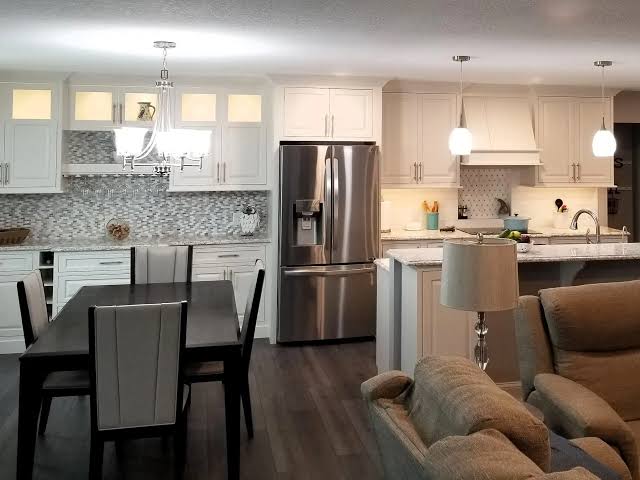
If you’re planning to update your kitchen, you’ve probably come across the terms kitchen remodeling and kitchen renovation. Many people use these words interchangeably, but they don’t actually mean the same thing.
Understanding the difference is important because it affects your budget, timeline, permits, and the type of contractor you’ll need. Whether you’re giving your kitchen a fresh new look or completely changing its layout, knowing which project you’re planning helps you make better decisions from the start.
In this guide, we’ll explain the real difference between kitchen remodeling and kitchen renovation, compare costs, highlight the pros and cons of each, and help you decide which option is right for your home.
What Is a Kitchen Renovation?
A kitchen renovation focuses on improving the appearance and condition of your existing kitchen without making major structural changes.
Think of renovation as refreshing what’s already there.
Common kitchen renovation projects include:
- Repainting cabinets
- Installing new cabinet doors
- Replacing countertops
- Updating backsplashes
- Installing new flooring
- Replacing light fixtures
- Painting walls
- Upgrading appliances
- Installing a new sink or faucet
During a renovation, the overall kitchen layout usually stays the same. The sink, stove, refrigerator, and plumbing remain in their original locations, which helps keep costs lower.
Best for:
- Outdated kitchens
- Cosmetic improvements
- Budget-conscious homeowners
- Preparing a home for sale
- Quick home upgrades
What Is a Kitchen Remodel?
A kitchen remodel goes beyond surface-level updates. It changes how the kitchen looks, functions, or is laid out.
Remodeling often involves removing walls, relocating plumbing, expanding the kitchen, or completely redesigning the space.
Examples of kitchen remodeling include:
- Changing the kitchen layout
- Adding a kitchen island
- Moving plumbing lines
- Relocating electrical wiring
- Installing custom cabinets
- Removing walls for an open-concept design
- Enlarging the kitchen
- Building a walk-in pantry
- Adding new windows or doors
A remodel creates an entirely different kitchen instead of simply updating the existing one.
Best for:
- Older homes with poor layouts
- Growing families
- Increasing storage space
- Creating open floor plans
- Major home upgrades
Kitchen Remodeling vs Kitchen Renovation: Quick Comparison
| Feature | Kitchen Renovation | Kitchen Remodel |
|---|---|---|
| Changes Layout | No | Yes |
| Cosmetic Updates | Yes | Yes |
| Structural Changes | Rarely | Often |
| Plumbing Changes | Usually No | Frequently |
| Electrical Changes | Minor | Major |
| Construction Time | Shorter | Longer |
| Cost | Lower | Higher |
| Building Permits | Sometimes | Often Required |
| Home Value Increase | Moderate | Higher Potential |
Which Costs More?
In almost every case, kitchen remodeling costs more than kitchen renovation because remodeling involves more labor, materials, and planning.
Average Kitchen Renovation Cost
A basic kitchen renovation generally costs between:
$8,000–$25,000
This budget may include:
- Cabinet painting
- New countertops
- Updated lighting
- New flooring
- Modern appliances
- Fresh paint
Average Kitchen Remodel Cost
A complete kitchen remodel typically ranges from:
$25,000–$80,000+
Luxury remodels with custom cabinetry, premium appliances, and structural changes can easily exceed six figures.
Timeline Comparison
Kitchen Renovation Timeline
Most renovations take:
2 to 6 weeks
Because there are fewer structural changes, projects move much faster.
Kitchen Remodel Timeline
Remodels usually require:
6 to 16 weeks
Larger remodels involving permits, inspections, custom cabinets, or major construction may take several months.
Main Differences Explained
Layout Changes
The biggest difference between remodeling and renovation is the layout.
During a renovation:
- Cabinets stay in place.
- Plumbing remains unchanged.
- Appliances usually stay in the same locations.
During a remodel:
- Walls may be removed.
- Islands may be added.
- Cabinets may be relocated.
- Plumbing and electrical systems can be redesigned.
If you’re changing the floor plan, you’re remodeling.
Construction Work
Renovations involve lighter construction.
Typical work includes:
- Painting
- Flooring installation
- Countertop replacement
- Cabinet refinishing
Remodels require more extensive work, including:
- Demolition
- Framing
- Drywall
- Plumbing
- Electrical upgrades
- HVAC adjustments
Permits
Many renovations don’t require permits.
However, remodeling projects often need permits for:
- Electrical work
- Plumbing relocation
- Structural modifications
- Window installation
- Wall removal
Always check local building regulations before beginning construction.
Return on Investment
Both projects can increase home value.
Renovations often provide an excellent return because they’re less expensive while improving appearance.
Remodels may deliver a higher resale value, especially if they solve functional issues like poor layouts or limited storage.
However, because remodels cost more, the return isn’t always proportional to the investment.
Advantages of Kitchen Renovation
Kitchen renovations offer several benefits.
Lower Cost
Renovations typically require fewer materials and less labor, making them more affordable.
Faster Completion
Since structural work is limited, renovations usually finish sooner.
Less Disruption
You may be able to continue using parts of your kitchen during the project.
Better Budget Control
Unexpected expenses are less common because the layout remains unchanged.
Advantages of Kitchen Remodeling
Kitchen remodeling offers greater flexibility.
Improved Functionality
You can create a layout that better fits your lifestyle.
More Storage
Remodeling makes it easier to add:
- Pantry space
- Larger cabinets
- Kitchen islands
- Built-in organizers
Modern Design
A remodel allows you to completely transform the room.
Long-Term Value
If your kitchen is outdated or poorly designed, remodeling can significantly improve your home’s appeal.
When Should You Choose a Renovation?
A renovation is usually the better choice if:
- Your kitchen layout already works well.
- Cabinets are still in good condition.
- You want an updated appearance.
- You’re preparing to sell your home.
- You have a limited budget.
- You want minimal disruption.
When Should You Choose a Remodel?
A remodel makes more sense if:
- The kitchen feels cramped.
- Storage is inadequate.
- Traffic flow is poor.
- You want an open floor plan.
- Plumbing or electrical systems need updating.
- You’re planning to stay in the home for many years.
Can You Combine Both?
Absolutely.
Many homeowners combine renovation and remodeling into one project.
For example, you might:
- Install new cabinets
- Replace countertops
- Add an island
- Upgrade flooring
- Install modern lighting
- Replace appliances
Some parts of the project are renovations, while others are remodeling work.
Mistakes to Avoid
Whether you’re renovating or remodeling, avoid these common mistakes.
Ignoring Your Budget
Always set aside an additional 10–20% for unexpected expenses.
Choosing Style Over Function
A beautiful kitchen should also be practical for everyday use.
Think about:
- Storage
- Counter space
- Lighting
- Workflow
Buying Appliances Too Late
Order appliances early to avoid project delays.
Some models may have long delivery times.
Hiring the Cheapest Contractor
The lowest quote isn’t always the best value.
Check licenses, reviews, insurance, and previous projects before making a decision.
Forgetting About Lighting
A well-designed kitchen includes multiple types of lighting, such as:
- Task lighting
- Ambient lighting
- Accent lighting
Proper lighting improves both safety and appearance.
Popular Kitchen Trends in 2026
Many homeowners are incorporating these ideas into their projects:
- Large kitchen islands
- Quartz countertops
- Two-tone cabinets
- Matte black fixtures
- Smart appliances
- Under-cabinet lighting
- Walk-in pantries
- Hidden storage
- Soft-close drawers
- Sustainable materials
These upgrades improve functionality while giving kitchens a timeless look.
Budgeting Tips
If you’re trying to save money, consider these strategies:
- Keep the existing layout.
- Refinish cabinets instead of replacing them.
- Choose stock cabinets over custom options.
- Mix premium and affordable materials.
- Shop seasonal sales for appliances.
- Reuse fixtures that are still in good condition.
Even small decisions can make a noticeable difference in your final budget.
Frequently Asked Questions
Is kitchen remodeling the same as kitchen renovation?
No. Renovation updates the appearance of an existing kitchen, while remodeling changes the layout, structure, or functionality.
Which is more expensive?
Kitchen remodeling generally costs more because it involves structural work, plumbing, electrical updates, and more labor.
Does remodeling require permits?
Many remodeling projects require permits, especially if they involve structural changes, electrical work, or plumbing relocation.
Can I renovate my kitchen without replacing cabinets?
Yes. Many homeowners repaint, reface, or refinish cabinets to achieve a fresh look without the cost of complete replacement.
Which adds more value to a home?
Both can increase home value. Renovations often provide a strong return for a lower investment, while remodels can add more value if they significantly improve the kitchen’s layout and functionality.
Final Thoughts
Although the terms are often used interchangeably, kitchen remodeling and kitchen renovation serve different purposes. A renovation is ideal when your kitchen functions well but looks dated, offering a cost-effective way to refresh the space. Remodeling, on the other hand, is the better option if you want to redesign the layout, improve functionality, or create a completely new kitchen.
Before starting your project, evaluate your budget, long-term plans, and the condition of your existing kitchen. By choosing the approach that fits your needs, you can create a space that’s not only attractive but also practical and enjoyable for years to come.