Most homeowners notice higher utility bills but rarely think their insulation could be the reason. Since insulation is hidden behind walls, ceilings, and floors, it’s easy to assume it’s working as intended. In reality, insulation can lose effectiveness over time, become damaged by moisture, shift out of place, or simply fail to meet the needs of your home.
When insulation isn’t doing its job, your heating and cooling system has to work harder to maintain a comfortable indoor temperature. That extra effort leads to higher energy costs throughout the year, whether you’re trying to keep warm in winter or cool during summer.
Here are the hidden signs that your home’s insulation may be costing you money every season and what you can do about it.
Your Energy Bills Keep Climbing
One of the first warning signs is a steady increase in heating or cooling costs. While energy prices naturally change, a noticeable rise in your monthly bills without a significant increase in usage often points to poor insulation.
If your HVAC system seems to run longer than it used to, heat may be escaping during winter while cool air leaks out in summer. Better insulation helps maintain indoor temperatures, allowing your system to cycle less frequently.
Compare your utility bills from the same season over the past few years. If costs continue rising despite similar weather and habits, insulation could be part of the problem.
Some Rooms Always Feel Different
Do certain rooms stay colder during winter or warmer during summer than the rest of the house?
Uneven temperatures often indicate insulation gaps. This is especially common in:
- Bonus rooms above garages
- Finished basements
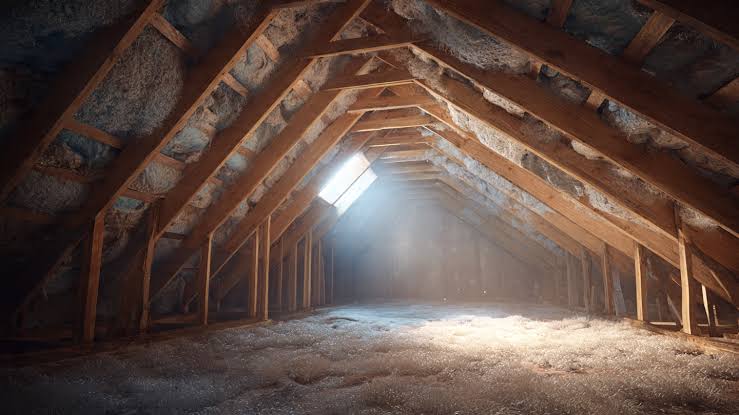
- Attics
- Older home additions
- Rooms with large exterior walls
Even if your thermostat shows the correct temperature, certain areas may remain uncomfortable because conditioned air escapes too quickly.
Your HVAC System Rarely Gets a Break
Your furnace or air conditioner should cycle on and off throughout the day.
If it seems like it’s running almost constantly, insulation problems may be forcing it to compensate for continuous heat loss or heat gain.
This not only increases utility bills but also places unnecessary wear on expensive HVAC equipment, potentially shortening its lifespan.
Walls Feel Cold to the Touch
During colder months, interior walls should not feel noticeably cold.
If you place your hand against an outside wall and it feels much colder than indoor air, the insulation inside may be inadequate, compressed, or missing altogether.
Similarly, ceilings below an uninsulated attic can feel unusually cool during winter and warm during summer.
Ice Dams Form on Your Roof
Ice dams occur when heat escapes through the roof, melting snow unevenly. As melted snow reaches colder roof edges, it refreezes, creating thick ridges of ice.
These ice dams can:
- Damage roofing materials
- Cause water leaks
- Harm gutters
- Lead to costly repairs
Poor attic insulation is one of the leading causes of this problem in colder climates.
Your Home Feels Drafty
Many homeowners blame windows or doors for drafts, but insulation gaps can also create unwanted airflow.
Common places where drafts develop include:
- Around electrical outlets
- Along baseboards
- Near attic access doors
- Around recessed lighting
- Where walls meet ceilings
Air leaks combined with weak insulation create a constant cycle of energy loss.
Indoor Temperatures Change Quickly
A well-insulated home retains comfortable temperatures for longer periods.
If your home becomes cold shortly after the heating turns off—or heats up quickly once the air conditioner stops running—it may not be holding conditioned air effectively.
Rapid temperature swings often indicate insufficient insulation.
Excess Dust Inside the House
While dust has many sources, poor insulation combined with air leaks allows outdoor particles to enter the home more easily.
If you constantly dust furniture despite regular cleaning, air infiltration through poorly insulated areas could be contributing.
Sealing air leaks and improving insulation often helps reduce indoor dust levels.
Moisture or Condensation Appears Indoors
Insulation doesn’t just regulate temperature—it also helps control moisture.
When warm indoor air meets cold surfaces inside poorly insulated walls or attics, condensation can form.
Watch for:
- Water droplets on windows
- Damp attic insulation
- Mold growth
- Peeling paint
- Musty odors
Ignoring these warning signs may eventually lead to structural damage.
Your Floors Feel Cold
Cold floors during winter can indicate missing insulation beneath:
- Crawl spaces
- Basement ceilings
- Suspended floors
- Floor joists
Even if your heating system works properly, poor floor insulation can make rooms feel uncomfortable and encourage higher thermostat settings.
Your Attic Gets Extremely Hot
An attic naturally becomes warmer than the rest of the house, but excessive heat may signal poor insulation combined with inadequate ventilation.
During summer, attic temperatures can soar well above outdoor temperatures. Without proper insulation, that heat transfers into living spaces below, making your air conditioner work harder.
Older Insulation May No Longer Perform Well
Not all insulation lasts forever.
Older homes may contain insulation that:
- Has settled over time
- Was installed below current efficiency standards
- Has been damaged by moisture
- Has been compressed during renovations
- Has been disturbed by pests
Even if insulation is still present, it may no longer provide adequate thermal protection.
Pest Activity Can Damage Insulation
Rodents, insects, and other pests often nest inside insulation.
Damaged insulation loses much of its effectiveness and may also create unpleasant odors or contamination.
Signs include:
- Scratching sounds
- Droppings
- Torn insulation
- Nesting materials
- Unusual smells in attics or crawl spaces
After pest removal, damaged insulation should usually be replaced.
Air Leaks Around Attic Openings
Many homeowners overlook attic access panels, pull-down stairs, and service openings.
These areas often lack proper insulation or weather sealing, allowing conditioned air to escape year-round.
Small openings can have a surprisingly large impact on overall energy efficiency.
Your Home Was Built Decades Ago
Construction standards have changed significantly over the years.
Older homes often contain much less insulation than modern building recommendations.
Even if nothing appears damaged, upgrading insulation in key areas like attics, walls, and crawl spaces can noticeably improve comfort while reducing energy use.
When Should You Consider an Insulation Inspection?
A professional insulation inspection may be worthwhile if you notice several of these warning signs together.
An inspection typically evaluates:
- Insulation depth
- Material condition
- Moisture damage
- Air leakage
- Ventilation issues
- Areas needing upgrades
Many problems remain invisible until someone enters the attic or crawl space.
Simple Ways to Improve Insulation Performance
Not every insulation issue requires a complete replacement.
Depending on your home’s condition, improvements may include:
- Sealing air leaks around doors and windows
- Adding attic insulation
- Insulating crawl spaces
- Replacing damaged insulation
- Installing insulation around attic access points
- Improving attic ventilation
- Sealing gaps around plumbing and electrical penetrations
Addressing both insulation and air leaks usually provides the greatest energy savings.
Final Thoughts
Insulation quietly affects your home’s comfort and energy efficiency every day. Because it’s hidden from view, many homeowners don’t realize there’s a problem until heating and cooling bills become difficult to ignore.
If you’ve noticed uneven temperatures, rising utility costs, constant HVAC operation, drafts, cold floors, or moisture issues, your insulation may no longer be performing as it should. Identifying these hidden signs early can help you avoid larger repair bills, improve indoor comfort, and reduce energy waste throughout every season.
A well-insulated home isn’t just about staying warm in winter or cool in summer—it’s about creating a more comfortable, efficient, and cost-effective place to live all year long.