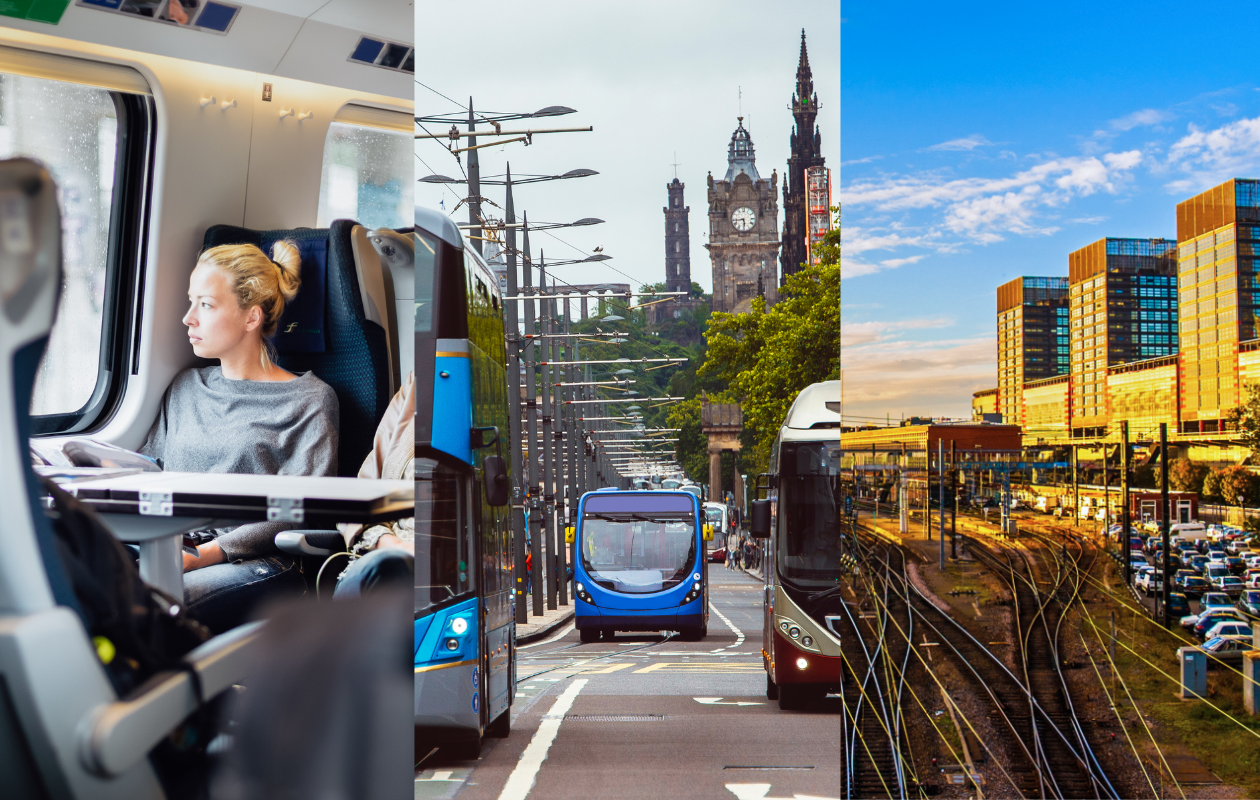
Public transportation networks are becoming more complex as cities grow, ridership patterns evolve, and passenger expectations continue to rise. Transit agencies must coordinate fleets, drivers, routes, schedules, fare collection, and real-time passenger information while keeping operations efficient and reliable. According to the United Nations, nearly 60% of the world’s population is projected to live in urban areas by 2030, placing increasing pressure on public transportation systems to deliver scalable, technology-driven services.
Many operators still rely on legacy applications or disconnected systems that create data silos, manual workflows, and limited operational visibility. These challenges can lead to scheduling inefficiencies, delayed decision-making, higher operating costs, and inconsistent passenger experiences. Investing in the right public transport software is therefore more than a technology upgrade. It is a long-term strategic decision that determines how effectively an organization can scale operations, integrate new technologies, and adapt to changing mobility demands.
This buying guide explains the key factors to evaluate before selecting a platform, from essential features and integration capabilities to scalability, security, pricing models, and vendor expertise. By understanding these criteria, transit agencies can choose a solution that supports both current operational needs and future growth.
What Should You Consider Before Choosing Public Transport Software?
Before comparing vendors, take time to evaluate your organization’s operational needs and long-term objectives. The right solution should address today’s challenges while remaining flexible enough to support future growth, new services, and evolving passenger expectations.
Start by defining your business goals and identifying the operational issues you want to solve, whether that’s improving route planning, reducing delays, optimizing fleet utilization, or enhancing the passenger experience. At the same time, distinguish between essential and optional features to avoid paying for capabilities your organization won’t use.
When evaluating platforms, consider the requirements of every stakeholder involved in daily operations, including:
- Dispatchers who need real-time fleet visibility and scheduling tools.
- Drivers who require intuitive mobile applications and digital work orders.
- Passengers who expect live arrival information, trip planning, and digital ticketing.
- Administrators who rely on analytics, reporting, and performance dashboards.
Finally, determine whether an off-the-shelf platform or a custom-built solution is the better fit. Standard software can be deployed quickly and at a lower upfront cost, while custom public transport software offers greater flexibility, easier integration with existing systems, and the ability to support unique operational workflows as your organization grows.
Which Features and Technical Capabilities Matter Most?
The best public transport software combines comprehensive functionality with the flexibility to support future operational needs. While requirements vary between organizations, several capabilities should be considered essential during the evaluation process.
Core operational features typically include:
- Route planning and timetable management
- Driver scheduling and dispatching
- Fleet management and maintenance tracking
- Real-time vehicle tracking and GPS monitoring
- Fare collection and ticketing
- Passenger information systems with live service updates
- Reporting and operational analytics
Beyond functionality, integration capabilities are equally important. The platform should connect seamlessly with GPS and AVL systems, fare collection solutions, payment gateways, ERP and CRM platforms, and third-party mobility services to eliminate data silos and streamline operations.
Scalability should also be a key consideration. Choose software that can support expanding transit networks, additional vehicles, new routes, and emerging technologies without requiring a complete system replacement. At the same time, evaluate security features, regulatory compliance, role-based access controls, mobile accessibility, and analytics tools that provide actionable operational insights.
Finally, look beyond the initial purchase price. Consider the total cost of ownership (TCO), including implementation, customization, training, ongoing maintenance, software updates, support, and future expansion costs. A solution with a higher upfront investment may deliver significantly greater value over time if it offers better scalability, reliability, and lower operating costs.
How Can You Evaluate Software Vendors with Confidence?
Choosing the right software is only part of the decision. Selecting the right technology partner is equally important, as implementation quality, ongoing support, and future product development can significantly impact long-term success.
When comparing vendors, evaluate their experience in the transportation industry, implementation methodology, and track record of successful projects. Look for providers that understand the operational complexities of public transit and can demonstrate measurable results through customer success stories or case studies.
Pay close attention to the vendor’s flexibility and long-term commitment. Consider:
- Customization capabilities and integration expertise.
- Deployment timeline and implementation approach.
- User training and onboarding services.
- Service level agreements (SLAs) and technical support.
- Product roadmap and plans for future enhancements.
Before making a final decision, request a live product demonstration, run a pilot project if possible, and speak with existing customers to understand their implementation experience and the quality of ongoing support.
For organizations with unique operational requirements, COAX Software specializes in custom transportation software development, building scalable solutions with seamless integrations, user-centric design, and long-term technical support. This approach enables public transportation organizations to streamline operations, improve data visibility, and adapt their platforms as business needs evolve.
Choose a Solution That Grows with You
Selecting the right public transport software requires looking beyond feature lists and initial pricing. The best solution aligns with your organization’s business goals, integrates seamlessly with existing systems, scales alongside network growth, and is backed by a vendor with proven industry expertise and reliable support.
As public transportation continues to evolve, your software should do more than solve today’s operational challenges. It should provide the flexibility to adopt new technologies, improve passenger experiences, optimize daily operations, and support long-term innovation.
Rather than focusing solely on upfront costs, prioritize total value over the lifetime of the solution. Investing in a scalable platform and a trusted technology partner will help your organization adapt to changing mobility demands, maximize operational efficiency, and achieve sustainable growth for years to come.