Fashion is an important part of everyday life. The clothes people wear, the colors they choose, and the way they combine different outfits can reflect their personality, lifestyle, and preferences. Some people enjoy following the latest fashion trends, while others prefer simple clothing that remains comfortable and practical throughout the year.
Fashion is not limited to expensive brands or designer collections. It includes everyday outfits, footwear, accessories, seasonal clothing, and the small details that help create an individual appearance. As lifestyles change, fashion continues to develop through new designs, materials, cultural influences, and creative ideas.
Understanding how fashion trends influence personal style can help people make better clothing choices. It also allows them to develop a wardrobe that looks attractive without spending unnecessarily or following every popular trend.
Understanding the Meaning of Fashion and Personal Style
Fashion refers to popular clothing styles, designs, colors, and accessories that people wear during a particular period. It changes over time because of cultural movements, social influences, technology, entertainment, and consumer preferences.
Personal style is slightly different. It represents an individual’s preferred way of dressing, regardless of what is currently popular.
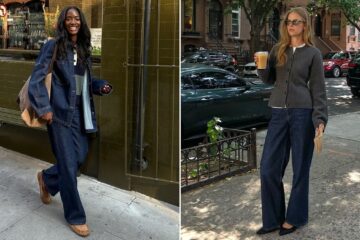
For example, one person may enjoy wearing formal shirts, trousers, and leather shoes, while another may prefer loose-fitting jeans, comfortable sneakers, and casual T-shirts. Both approaches can look fashionable because personal style depends on individual taste.
A well-developed personal style does not require following every new clothing trend. Instead, it involves understanding what looks good, feels comfortable, and suits different occasions.
How Fashion Trends Develop
Fashion trends rarely appear without influence. Designers, celebrities, social media creators, clothing companies, and cultural changes all contribute to the development of new styles.
Influence of Fashion Designers
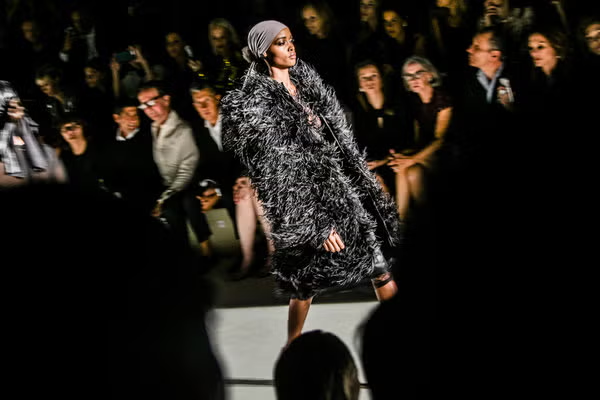
Fashion designers introduce new ideas through clothing collections, runway presentations, and seasonal designs. Their work often influences the colors, fabrics, shapes, and clothing styles that become popular.
Some designs eventually appear in everyday retail stores in more affordable forms.
Social Media and Digital Platforms
Social media has changed how people discover fashion ideas. Platforms such as Instagram, Pinterest, TikTok, and YouTube allow users to explore outfits, styling tips, and seasonal clothing inspiration.
Fashion creators often demonstrate different ways to combine basic clothing items. This makes it easier for people to experiment with their appearance and discover styles they may not have considered before.
However, online trends can change quickly. Not every popular outfit is suitable for every person, climate, or lifestyle.
Celebrity and Entertainment Influence
Actors, musicians, athletes, and other public figures can influence clothing preferences. Their outfits often receive attention during public appearances, award ceremonies, concerts, and promotional events.
Some styles become popular because people admire the way celebrities combine clothing, shoes, and accessories.
Popular Fashion Categories for Different Lifestyles
Fashion includes several clothing categories designed for different situations. Choosing the right category can make dressing easier and help people feel comfortable throughout the day.
Casual Fashion
Casual clothing focuses on comfort and simplicity. Common choices include jeans, T-shirts, polo shirts, sweatshirts, casual trousers, and sneakers.
These outfits are suitable for everyday activities such as shopping, meeting friends, traveling, or spending time with family.
Casual fashion also provides flexibility because basic pieces can be combined in many different ways.
Formal Fashion
Formal fashion is generally associated with professional environments, business meetings, ceremonies, and special occasions.
Men may choose suits, dress shirts, formal trousers, and polished shoes. Women may prefer tailored suits, elegant dresses, structured outfits, or other occasion-appropriate clothing.
The main purpose of formal fashion is to create a neat and appropriate appearance.
Streetwear Fashion
Streetwear is influenced by urban culture, music, sports, and youth fashion. Oversized T-shirts, hoodies, sneakers, relaxed trousers, and graphic designs are common elements.
This category allows people to experiment with different combinations and express their individuality.
Traditional and Cultural Fashion
Traditional clothing reflects cultural identity, history, and local customs. Different regions have their own fabrics, embroidery techniques, designs, and clothing styles.
Traditional outfits remain important during weddings, festivals, religious celebrations, and family gatherings.
Many modern designers also combine traditional elements with contemporary clothing to create distinctive designs.
Choosing Clothes That Match Your Body and Lifestyle
A fashionable outfit should not only look attractive but also suit the person wearing it. Clothing fit, comfort, personal preferences, and daily activities all influence how an outfit looks and feels.
Focus on Proper Fit
Clothing that fits properly often creates a more balanced appearance. Extremely tight or excessively loose clothing may feel uncomfortable depending on the design and occasion.
When buying clothes, pay attention to shoulder placement, sleeve length, waist measurements, and overall proportions.
Consider Daily Activities
Someone who spends most of the day working in an office may need different clothing from a person who travels frequently or works outdoors.
A practical wardrobe should include outfits that match regular activities instead of focusing entirely on occasional fashion trends.
Select Comfortable Fabrics
Fabric choice can make a significant difference in everyday comfort.
Cotton is popular because it is soft and breathable. Linen is often preferred in warm weather, while wool and certain thicker materials provide additional warmth during colder seasons.
Understanding fabric properties can help people choose clothing that suits the weather and their comfort needs.
The Importance of Colors in Fashion
Color selection is an important part of creating attractive outfits. Some colors are easy to combine, while others create a stronger visual statement.
Neutral colors such as black, white, gray, beige, and navy are commonly used because they work well with many clothing combinations.
Brighter colors can add personality and make an outfit more noticeable. However, choosing colors that complement one another can create a more balanced appearance.
For example, a white shirt with navy trousers creates a clean and simple combination. Similarly, beige clothing paired with brown accessories can produce a coordinated look.
People do not need to follow strict color rules. Experimenting with different combinations can help them discover what they enjoy wearing.
Essential Clothing Items for a Practical Wardrobe
Building a useful wardrobe does not require purchasing dozens of outfits. A smaller collection of versatile clothing can provide many styling possibilities.
Some useful wardrobe essentials include:
- Basic T-shirts in neutral colors.
- Well-fitting jeans.
- Comfortable casual trousers.
- A simple white or light-colored shirt.
- A versatile jacket or sweater.
- Comfortable everyday sneakers.
- Formal footwear for special occasions.
- A few suitable seasonal clothing items.
These pieces can be combined to create different outfits for work, casual activities, and social events.
The best wardrobe is one that supports everyday needs while reflecting personal preferences.
How Accessories Improve an Outfit
Accessories can change the overall appearance of clothing without requiring a completely different outfit.
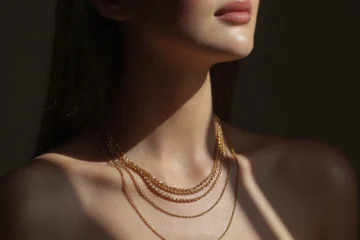
Common fashion accessories include watches, belts, handbags, sunglasses, scarves, jewelry, hats, and footwear.
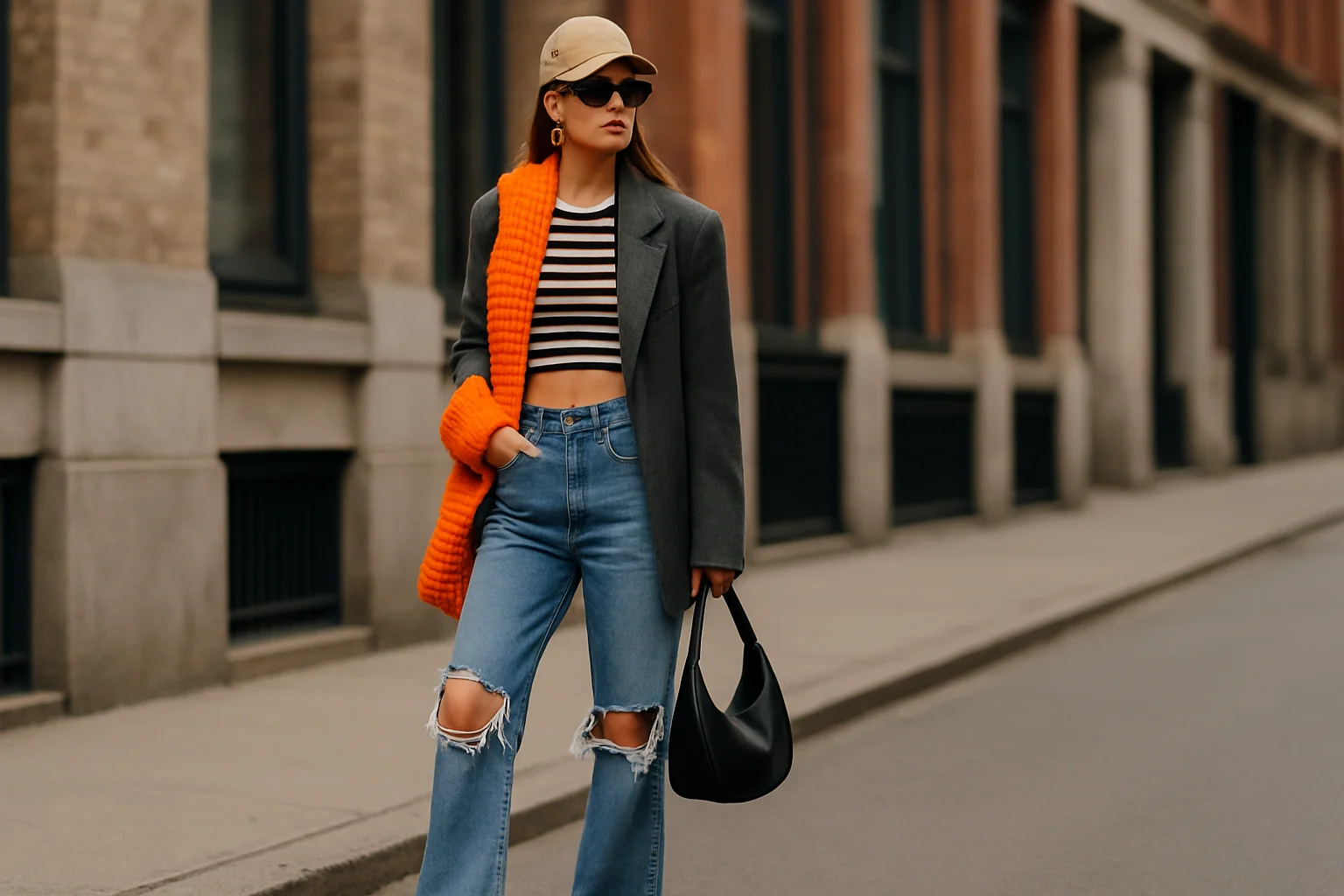
For example, a simple outfit can look more polished when paired with suitable shoes and a coordinated belt. Similarly, a handbag or watch can add a distinctive detail to an otherwise basic combination.
The key is balance. Too many accessories may make an outfit look crowded, while a few carefully selected items can create a more organized appearance.
Seasonal Fashion and Clothing Choices
Weather conditions influence clothing materials, colors, and designs. A wardrobe that works well in summer may not provide enough warmth during winter.
Summer Fashion
Summer clothing generally focuses on lightweight and breathable materials. Cotton, linen, loose-fitting shirts, lightweight trousers, and comfortable footwear are popular choices.
Light colors are often preferred because they absorb less heat than darker colors under direct sunlight.
Winter Fashion
Winter fashion includes sweaters, coats, jackets, scarves, boots, and other warm clothing.
Layering is a useful approach because it allows people to adjust their clothing according to indoor and outdoor temperatures.
Spring and Autumn Fashion
Spring and autumn often involve changing temperatures. Lightweight jackets, cardigans, long-sleeved shirts, and comfortable trousers can work well during these seasons.
These transitional months also provide opportunities to experiment with different clothing combinations.
Sustainable Fashion and Responsible Shopping
The fashion industry produces a large amount of clothing, and purchasing new items frequently can contribute to waste and environmental pressure.
Sustainable fashion encourages more responsible decisions about clothing production, purchasing, use, and disposal.
People can support more sustainable clothing habits in several ways.
Buy fewer but more useful items: Choose clothing that can be worn regularly and combined with other wardrobe pieces.
Look for durable materials: Well-made clothing may last longer and reduce the need for frequent replacement.
Reuse existing outfits: Wearing the same clothing in different combinations can create fresh looks without unnecessary purchases.
Repair damaged clothing: Small repairs, such as replacing buttons or fixing loose seams, can extend the useful life of garments.
Donate suitable clothing: Items that are still in good condition can be given to people who may find them useful.
Responsible shopping benefits both household budgets and the environment.
Common Fashion Mistakes to Avoid
Developing a personal style takes time, and people sometimes make clothing choices that do not match their needs.
One common mistake is buying something simply because it is trending. Popular styles may not suit every lifestyle or personal preference.
Another mistake is ignoring comfort. An outfit may look attractive but become difficult to wear throughout a busy day if the fabric, fit, or footwear is uncomfortable.
Some people also purchase clothing without considering whether it matches their existing wardrobe. This can lead to unnecessary spending and outfits that are difficult to combine.
To avoid these problems, think about how frequently an item will be worn, whether it fits properly, and whether it works with clothing already owned.
The Future of Fashion and Changing Style Preferences
Fashion continues to evolve as technology, consumer behavior, and environmental awareness influence the clothing industry.
Online shopping has made it easier to explore designs from different countries and compare products. Digital tools also allow customers to view clothing combinations and explore virtual fitting experiences.
Another important development is the growing interest in sustainable materials and responsible manufacturing. Some brands are exploring recycled fabrics, improved production methods, and longer-lasting designs.
Personal expression will also remain an important part of fashion. People increasingly combine different styles instead of following only one traditional clothing category.
These developments suggest that future fashion will continue to balance creativity, comfort, convenience, and responsible consumption.
Frequently Asked Questions
Why is fashion important in everyday life?
Fashion allows people to express their personality, preferences, and cultural identity. It also helps them select clothing that suits different activities, weather conditions, and occasions.
How can someone develop a personal fashion style?
Start by identifying preferred colors, clothing fits, and everyday needs. Experiment with different combinations and gradually build a wardrobe that feels comfortable and represents individual taste.
Do you need expensive clothes to look fashionable?
No. Attractive outfits can be created with affordable clothing. Proper fit, suitable colors, clean footwear, and coordinated accessories often make a bigger difference than brand names.
How can fashion trends influence clothing choices?
Fashion trends introduce new designs, colors, and styling ideas. People may use these trends as inspiration while selecting items that match their personal preferences.
What are the most useful wardrobe essentials?
Basic T-shirts, jeans, comfortable trousers, versatile shirts, seasonal jackets, and suitable footwear are useful items for many everyday wardrobes.
What is sustainable fashion?
Sustainable fashion focuses on reducing the environmental and social impact of clothing production and consumption through responsible materials, durable products, reuse, and thoughtful purchasing.
Conclusion
Fashion is much more than following popular clothing trends. It is a way for people to express themselves, choose comfortable outfits, and develop an appearance that matches their lifestyle. From casual clothing and formal wear to traditional outfits and modern streetwear, different fashion categories offer opportunities for personal expression.
Building a practical wardrobe starts with understanding individual needs, choosing suitable fabrics, selecting coordinated colors, and investing in versatile clothing. Accessories and seasonal combinations can also help create different looks without unnecessary spending.
As fashion continues to change, personal comfort and confidence remain important. The most useful fashion choices are those that make people feel comfortable, look appropriate for the occasion, and reflect their own preferences.