Replacing a roof is one of the biggest investments a homeowner can make, so it’s natural to focus on the shingles, underlayment, and overall appearance of the finished project. However, one important component is often overlooked during the planning process: roof flashing.
Many homeowners ask the same question when their roof is being replaced: If the existing flashing still looks good, does it really need to be replaced?
The answer isn’t always straightforward. While flashing may appear to be in excellent condition from the outside, there are several reasons why roofing professionals often recommend replacing it during a roof replacement. In some cases, reusing existing flashing makes sense, but in others, it can increase the risk of future leaks and costly repairs.
Understanding the role of roof flashing and knowing when it should be replaced can help you make a better long-term decision for your home.
What Is Roof Flashing?
Roof flashing is a thin material, usually made from aluminum, galvanized steel, copper, or another corrosion-resistant metal, that directs water away from vulnerable areas of the roof.
Unlike shingles, which mainly shed water across large surfaces, flashing protects the places where water is most likely to enter the home.
Common flashing locations include:
- Around chimneys
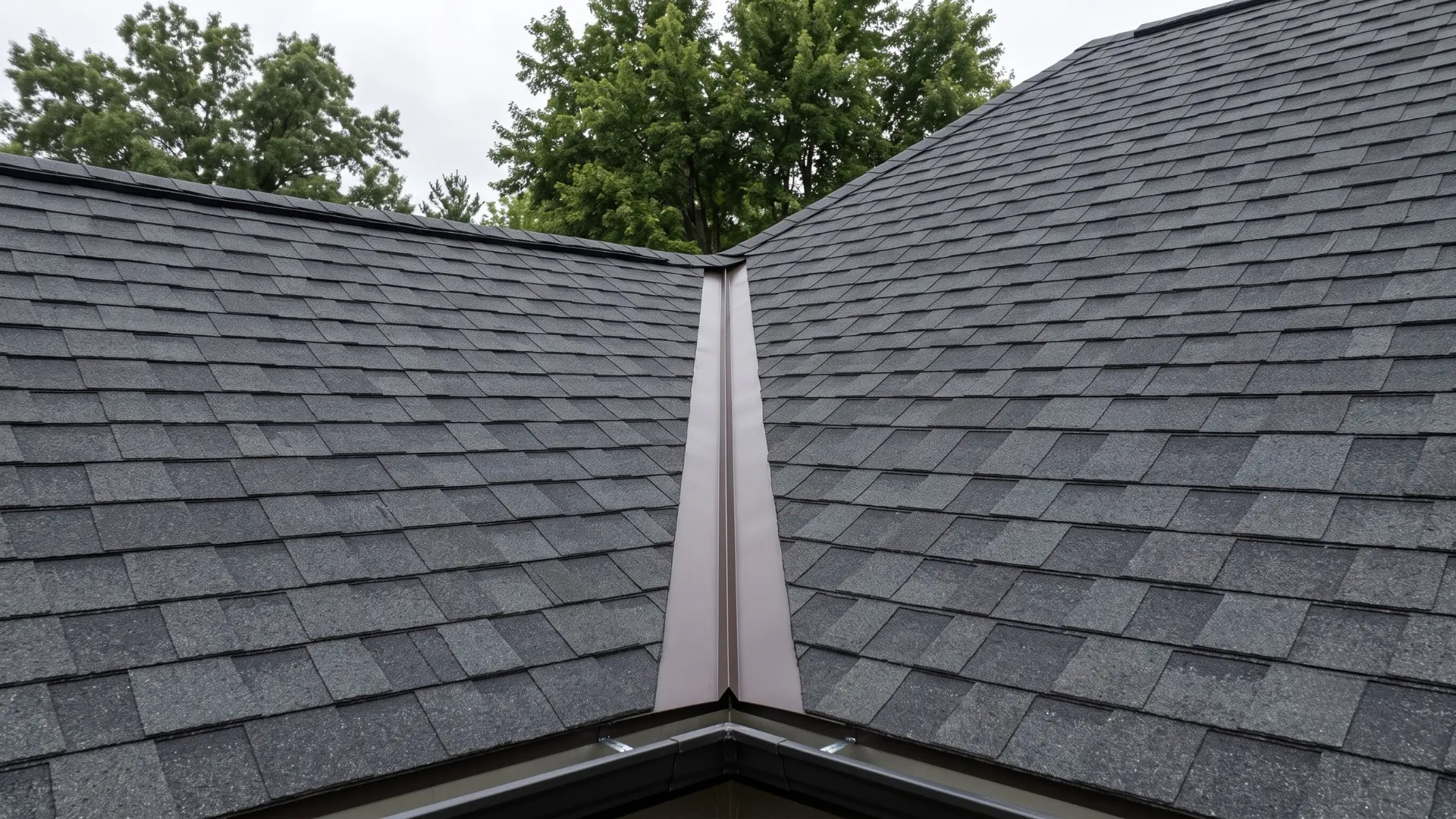
- Roof valleys
- Skylights
- Plumbing vent pipes
- Dormers
- Roof-to-wall intersections
- Around roof vents
- Along sidewalls and step flashing areas
These areas experience constant exposure to rain, snow, wind, and temperature changes, making flashing one of the hardest-working parts of the roofing system.
Why Flashing Matters More Than Many Homeowners Realize
Most roof leaks don’t occur because shingles suddenly fail. Instead, leaks often begin where different building materials meet.
Flashing creates a waterproof transition between these areas. Even if every shingle is installed correctly, damaged or poorly installed flashing can still allow water to reach the roof deck and eventually the interior of the home.
Because of this, flashing is considered one of the most critical components of a weather-resistant roofing system.
Why Existing Flashing May Look Fine
One reason homeowners hesitate to replace flashing is that it often appears to be in excellent condition.
Unlike shingles that curl, crack, or lose granules over time, metal flashing may continue looking clean and solid even after decades of service.
However, appearance doesn’t always reflect its actual condition.
Several issues can exist beneath the surface, including:
- Small cracks hidden beneath roofing materials
- Corrosion beginning underneath overlapping sections
- Nail holes enlarged over time
- Metal fatigue caused by repeated expansion and contraction
- Loose fasteners
- Minor bends that affect water flow
These problems aren’t always visible until the old roof has been removed.
Why Many Roofing Contractors Recommend New Flashing
Professional roofers often recommend replacing flashing whenever a new roof is installed.
This recommendation isn’t simply about selling additional materials. There are practical reasons behind it.
The Roof Is Already Being Removed
During a roof replacement, contractors already have full access to flashing areas.
Installing new flashing at this stage is much easier than returning later after the new shingles have already been installed.
If flashing eventually fails, repairing it may require removing sections of the new roof, increasing labor costs.
New Roofing Materials Need Proper Integration
Modern roofing systems often include updated underlayments, waterproof membranes, and improved installation methods.
New flashing helps these components work together properly.
Trying to fit older flashing into a newly installed roofing system may create small gaps or improper overlaps that increase the risk of water intrusion.
Flashing Usually Has a Similar Service Life
Although flashing sometimes lasts longer than shingles, its lifespan is often similar.
If shingles lasted twenty-five or thirty years, the flashing has likely experienced the same weather conditions during that period.
Even if it hasn’t failed yet, it may be approaching the end of its useful life.
Replacing both together creates a roofing system with components that age at roughly the same rate.
Situations Where Existing Flashing Might Be Reused
There are circumstances where reusing flashing may be reasonable.
Experienced roofing contractors sometimes keep flashing when:
- It’s made from heavy copper or high-quality stainless steel.
- The flashing was recently installed.
- There are no signs of rust or corrosion.
- The metal hasn’t been bent or damaged.
- The flashing design still meets current installation standards.
Historic homes often contain custom copper flashing that may last for many decades with proper maintenance.
Even then, contractors should inspect every section carefully before deciding to reuse it.
Warning Signs That Flashing Should Be Replaced
Certain conditions almost always justify installing new flashing.
These include:
Rust or Corrosion
Visible rust weakens metal over time.
Even small rust spots can spread and eventually create openings where water enters.
Loose Flashing
Flashing should remain firmly secured.
Movement caused by wind or seasonal expansion can create gaps that allow leaks.
Previous Repairs
If flashing has been patched multiple times with roofing cement or sealants, replacement is usually the better long-term solution.
Repeated repairs often indicate an underlying problem.
Bent or Warped Sections
Flashing depends on proper shape to direct water away from the roof.
Bent metal may allow water to flow in the wrong direction.
Failed Sealants
Many flashing systems rely on compatible sealants around penetrations.
Old sealants eventually dry, crack, and separate from the surrounding materials.
Replacing flashing allows fresh waterproof seals to be installed.
Does Reusing Flashing Save Money?
Keeping existing flashing can reduce material costs slightly.
However, flashing represents only a small portion of the overall roof replacement budget.
If old flashing causes a leak within a few years, homeowners may face expenses such as:
- Removing new shingles
- Interior drywall repairs
- Ceiling repainting
- Mold remediation
- Roof deck replacement
- Additional labor charges
In many cases, replacing flashing during the initial roof installation is the more economical decision over the life of the roof.
What About Chimney Flashing?
Chimney flashing deserves special attention because it’s one of the most common locations for roof leaks.
A complete chimney flashing system often includes:
- Base flashing
- Step flashing
- Counter flashing
Even if the metal appears intact, mortar joints holding counter flashing may have deteriorated over time.
If chimney flashing is being reused, contractors should carefully inspect both the metal and surrounding masonry before proceeding.
Questions to Ask Your Roofing Contractor
Before approving your roofing project, ask a few important questions about flashing.
Consider asking:
- Will all roof flashing be replaced?
- Which flashing sections will remain?
- Why are you recommending reuse or replacement?
- What material will the new flashing use?
- Does the flashing installation meet current building codes?
- Is flashing covered under the roofing warranty?
Clear answers can help prevent misunderstandings after the project begins.
How Roof Warranties May Be Affected
Some roofing manufacturers require complete roofing systems, including compatible flashing, to qualify for certain warranty programs.
Using old flashing alongside new roofing materials may limit warranty coverage in some situations.
Always review both the manufacturer’s warranty and the contractor’s workmanship warranty before making a decision.
Long-Term Value vs Short-Term Savings
Replacing flashing during a roof replacement is usually about reducing future risk rather than solving an existing problem.
While reusing flashing may appear to save money today, homeowners should consider the potential cost of future repairs if that flashing fails before the new roof reaches the end of its lifespan.
A roof functions as a complete system. When one part wears out before the others, it can compromise the performance of the entire installation.
Final Thoughts
Roof flashing may not receive the same attention as shingles, but it plays a vital role in protecting a home from water damage. Although existing flashing can sometimes appear to be in excellent condition, hidden wear, aging metal, or outdated installation methods may reduce its reliability over time.
For most homeowners, replacing flashing during a roof replacement offers greater peace of mind and helps ensure that every part of the roofing system works together as intended. Since the roof is already being removed, installing new flashing is often more practical and cost-effective than waiting until a problem develops later.
Every home is different, and the right decision depends on the flashing’s material, age, condition, and how it integrates with the new roofing system. A thorough inspection by a qualified roofing professional can help determine whether reuse is appropriate or whether replacement is the smarter investment for long-term protection.