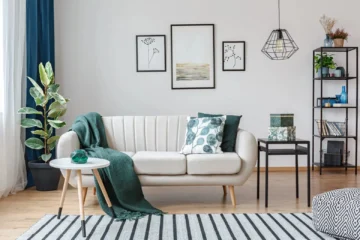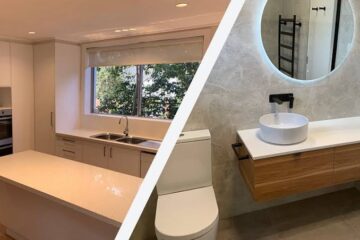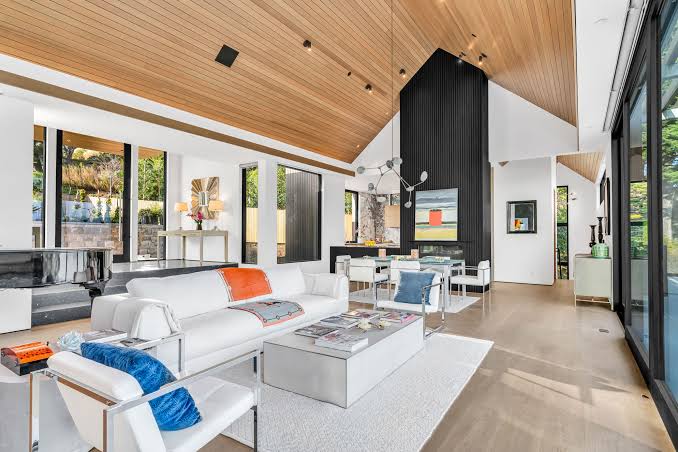
Modern home design is constantly evolving, but the core focus remains the same: creating spaces that are stylish, functional, and comfortable for everyday living, notes Gregory Property Management, a trusted Redmond Property Management company. Today’s homeowners are blending aesthetics with practicality, making homes that look good while also supporting a smoother lifestyle.
Instead of overly complex designs, the latest trends focus on simplicity, natural elements, smart functionality, and personalized comfort. Here are the most popular home design trends shaping stylish living spaces in modern houses.
Open and Connected Layouts
Open layouts continue to dominate modern home design.
Removing unnecessary walls between the kitchen, dining, and living areas creates a more spacious and flexible environment. This design improves movement and allows natural light to flow freely throughout the home.
Connected spaces also encourage better interaction between family members, making the home feel more social and welcoming.
Even partial open concepts are becoming popular in smaller homes.
Neutral and Earthy Color Palettes
Color choices play a major role in modern interior design.
Neutral tones such as white, beige, cream, and soft gray remain popular because they create a calm and timeless look.
Earthy shades like olive green, terracotta, and warm brown are also trending, as they bring a natural and grounded feel to interiors.
These colors make it easier to match furniture and decor while maintaining a balanced aesthetic.
Minimalist Interior Style
Minimalism is still one of the strongest design trends in modern homes.
The focus is on keeping only essential items while avoiding unnecessary clutter.
Clean lines, simple furniture, and uncluttered spaces create a peaceful environment.
This style also makes homes easier to maintain and visually more organized.
Natural Materials and Textures
Modern homes are increasingly incorporating natural materials.
Wood, stone, linen, cotton, and rattan are widely used in furniture and decor.
These materials add warmth and texture while keeping the design simple and elegant.
They also help create a connection between indoor and outdoor spaces.
Smart Home Integration
Technology is now an essential part of home design.
Smart lighting, voice-controlled devices, and automated systems are being integrated into everyday living spaces.
These systems improve convenience, energy efficiency, and security.
Smart design ensures that technology blends seamlessly into the overall interior style.
Multi-Functional Spaces
Modern homes are designed to serve multiple purposes within a single area.
Living rooms may also function as workspaces, entertainment zones, or relaxation areas.
Furniture is often flexible, allowing rooms to adapt based on daily needs.
This approach is especially useful for smaller homes and apartments.
Statement Lighting Fixtures
Lighting is no longer just functional—it is a design feature.
Pendant lights, chandeliers, and sculptural lighting pieces are being used as focal points in rooms.
Layered lighting techniques combine ambient, task, and accent lighting for depth and flexibility.
Good lighting enhances both mood and visual appeal.
Indoor-Outdoor Living Connection
Blending indoor and outdoor spaces is a growing trend in modern architecture.
Large glass doors, open patios, and connected gardens create a seamless transition between inside and outside.
This design improves natural ventilation and allows more natural light into the home.
Outdoor areas are also being used as extensions of living spaces.
Sustainable and Eco-Friendly Design
Sustainability is becoming a key priority in modern homes.
Energy-efficient appliances, recycled materials, and eco-friendly finishes are widely used in design planning.
Homes are being built and renovated with long-term environmental impact in mind.
Sustainable design also helps reduce utility costs over time.
Smart Storage Solutions
Storage is being designed more creatively in modern homes.
Built-in cabinets, hidden compartments, and wall-mounted systems help reduce clutter.
Multi-purpose furniture also plays a big role in maximizing space efficiency.
A clean and organized home always feels more stylish and spacious.
Open Kitchen Concepts
The kitchen is now a central part of home design rather than a separate space.
Open kitchen layouts connect cooking areas with living and dining spaces.
This improves social interaction and makes homes feel larger and more open.
Modern kitchens are also designed to be visually clean and highly functional.
Textured Walls and Accent Features
Flat walls are being replaced with more creative designs.
Wood panels, stone finishes, and textured paint add depth and personality to interiors.
Accent walls are often used to highlight key areas like living rooms or bedrooms.
These subtle details help create a more premium look without overwhelming the space.
Large Windows and Natural Light
Natural light is a major element in modern home design.
Large windows, skylights, and open layouts help brighten interiors naturally.
Sunlight improves mood, reduces energy use, and enhances visual appeal.
Homes with better natural lighting feel more open and inviting.
Soft and Comfortable Furnishings
Comfort is just as important as style in modern design.
Plush sofas, soft cushions, and cozy textiles are widely used in living spaces.
The goal is to create homes that feel relaxing and livable, not just visually attractive.
Comfort-driven design is becoming a top priority for homeowners.
Personalized Design Elements
Modern homes are becoming more personal and expressive.
Instead of following strict design rules, homeowners are mixing styles that reflect their personality.
Family photos, artwork, travel souvenirs, and custom decor add uniqueness to spaces.
This trend makes homes feel more authentic and meaningful.
Final Thoughts
Modern home design trends focus on creating balance between style, comfort, and functionality. Open layouts, natural materials, smart technology, and minimalist approaches are shaping how homes look and feel today.
The best designs are not overly complicated—they are thoughtful, practical, and tailored to everyday life. A well-designed home is one that supports comfort, reflects personality, and makes daily living more enjoyable.