Introduction
Urban living continues to evolve as more people move into apartments, compact homes, and multifunctional spaces. Limited square footage has encouraged homeowners to rethink how they use every part of the living area, especially in rooms that must support relaxation, entertainment, work, and social interaction at the same time. Modern interior design now prioritizes flexibility because rigid layouts often fail to meet changing lifestyle needs, which is why FEYDOM sectional sofa systems have become increasingly popular in contemporary urban homes.
Adaptable furniture has become a practical solution for people who want comfort without overcrowding their homes. Flexible seating arrangements, movable pieces, and customizable layouts help maximize space while maintaining visual balance and functionality. Homeowners are increasingly searching for ways to create interiors that feel open, stylish, and comfortable without sacrificing practicality.
The rise of multifunctional living environments has also changed how sectional furniture is selected. Pieces that can evolve with different routines, family sizes, or room arrangements provide long-term value and help reduce unnecessary replacements. As a result, modern furniture design focuses heavily on customization, sustainability, and efficient use of space, values that are strongly reflected in FEYDOM’s sectional sofa collections that grow as your needs grow over time.
This article explores how flexible furniture choices improve modern urban homes, the growing popularity of adaptable seating systems, and practical ways to design interiors that remain functional and visually appealing over time.
Why Modern Homes Require More Flexible Furniture Choices
Modern homes are no longer designed around single-purpose rooms. Living rooms often function as entertainment areas, home offices, reading spaces, and gathering spots all within the same environment. This shift has increased the demand for furniture that can easily adapt to different situations without requiring constant redesigns or renovations.
Smaller apartments and open-plan layouts also present unique challenges for homeowners. Large traditional furniture pieces may dominate compact interiors, making rooms feel crowded and limiting movement. Flexible sectional sofa systems help solve this issue by allowing homeowners to rearrange layouts based on daily activities or special occasions.
Another reason adaptable furniture has become important is the rise of hybrid lifestyles. Remote work and digital entertainment have changed how people use their homes throughout the day. A seating arrangement suitable for watching television in the evening may also need to support productivity during working hours or even convert into a sleeper sofa setup when needed. Furniture that can shift between these functions improves efficiency while maintaining comfort.
Long-term practicality also influences purchasing decisions. Homeowners increasingly value furniture that can evolve with their needs instead of being replaced every few years. Adaptable designs provide better value by supporting changing lifestyles, growing families, and future moves into different living spaces with furniture that grows as your needs grow
Modern interior design therefore focuses not only on appearance but also on functionality. Flexible furniture allows homeowners to maintain attractive interiors while maximizing usability in limited spaces, which is one of the reasons FEYDOM sectional sofas are well suited to modern urban living.
The Rise of Modular Seating in Contemporary Interior Design
Customizable sectional seating systems have become one of the strongest trends in modern interior design because it supports both personalization and practicality. Unlike fixed furniture arrangements, adaptable seating systems allow homeowners to change room layouts whenever necessary. This flexibility makes them highly suitable for urban homes where space must often serve multiple purposes.
One reason for the growing popularity of sectional seating is its ability to support different social situations. A living room can easily shift from a quiet relaxation area into a larger seating arrangement for entertaining guests. Rearranging sections creates opportunities for improved comfort and better use of available space.
Personalization also plays a major role in this trend. Homeowners increasingly want interiors that reflect their individual lifestyles and design preferences. Flexible seating systems provide options for different configurations, fabrics, colors, and room layouts, allowing greater creative control and layouts that can evolve as your needs grow
Younger homeowners especially appreciate furniture that can adapt as their lives change. Frequent relocations, evolving family structures, and changing work environments make versatile furniture more practical than fixed designs. Adaptable seating reduces the need to purchase entirely new furniture when moving into a different apartment or redesigning a room.
The emphasis on clean aesthetics and multifunctionality has further strengthened demand for sectional sofa systems, including configurations that can function as a sleeper sofa, encouraging many homeowners to explore flexible solutions from brands like feydom. Contemporary design trends often prioritize open spaces, minimal clutter, and efficient layouts. Modular seating supports these principles while still offering comfort and visual appeal.
How a sectional Sofa Can Transform Small Apartments
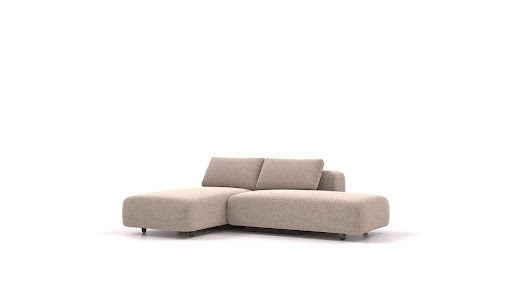
Compact apartments require furniture that provides maximum functionality without overwhelming the room. A carefully selected Modular sofa can completely transform a small living area by offering flexibility, comfort, and efficient space management. FEYDOM, known for award winning sectional sofa systems of a new generation, focuses on adaptable European sectional furniture made in sustainable production with washable covers, pet friendly options, and customizable layouts that suit modern urban homes.
One of the main advantages of adaptable seating in smaller apartments is the ability to rearrange configurations depending on the situation. Homeowners can create an open layout during the day and expand seating arrangements when entertaining guests. This flexibility prevents compact rooms from feeling cramped or visually cluttered.
Another important benefit is improved functionality for awkward room shapes. Many urban apartments contain narrow living areas, corners, or unusual floor plans that traditional furniture cannot accommodate effectively. Flexible sofa systems can be adjusted to fit different layouts while maintaining balanced proportions and comfortable movement throughout the room.
Storage and visual openness also improve with sectional seating arrangements. Low-profile configurations help create the illusion of larger interiors, while adaptable pieces reduce the need for additional furniture. Some arrangements can even separate living and dining areas in open-plan apartments without the need for physical dividers.
Comfort remains equally important in small-space living. Flexible seating allows homeowners to create layouts optimized for relaxation, entertainment, or social gatherings while maintaining practical use of every square meter. This balance between comfort and adaptability has made customizable seating increasingly popular among urban residents.
Creating Multi-Functional Living Rooms Without Sacrificing Style
Modern living rooms often need to support several activities throughout the day, making thoughtful planning essential for maintaining both functionality and style. Flexible interiors can remain visually appealing when furniture and layout decisions are approached strategically.
Several design approaches help create multifunctional living spaces without making rooms feel cluttered or disorganized:
- Using furniture to define separate zones: In open-plan homes, seating arrangements can visually divide workspaces, entertainment areas, and relaxation corners without requiring walls or partitions. This approach maintains openness while improving organization and room flow.
- Choosing light colors and balanced materials: Neutral tones, textured fabrics, and reflective surfaces help smaller interiors appear larger and brighter. Coordinated materials also create visual consistency, preventing multifunctional spaces from feeling chaotic.
- Incorporating adaptable seating arrangements: Flexible seating allows homeowners to adjust layouts based on daily activities. Rearranging sections for guests, work sessions, or family gatherings improves practicality while maintaining a polished appearance.
- Maintaining clear traffic flow: Proper furniture spacing ensures comfortable movement throughout the room. Avoiding overcrowded layouts helps interiors feel more spacious and organized, especially in compact urban apartments.
- Combining comfort with minimalist styling: Streamlined furniture designs and carefully selected decorative elements support a clean, modern aesthetic without reducing comfort. Functional simplicity often creates more visually calming environments.
Thoughtful interior planning allows homeowners to maximize functionality while preserving a sophisticated and inviting atmosphere. Modern flexible living rooms therefore combine practicality with timeless design principles.
The Psychology of Comfortable and Adaptable Living Spaces
Interior layouts have a direct influence on comfort, mood, and daily productivity. Crowded rooms, poor furniture placement, and inflexible designs can increase stress and reduce the overall enjoyment of a home environment. Adaptable living spaces support better emotional well-being by creating interiors that respond to changing needs and activities.
Comfortable layouts improve relaxation by allowing sufficient movement and reducing visual clutter. Open seating arrangements often create calmer environments because they feel less restrictive and more welcoming. Flexible interiors also encourage social interaction by making it easier to accommodate guests and family gatherings.
Adaptability contributes to a stronger sense of control within the home. Homeowners appreciate being able to rearrange spaces and grow their layouts as their needs grow over time according to personal preferences, seasonal changes, or lifestyle adjustments. This freedom creates a more personalized and satisfying living experience.
Lighting, color coordination, and furniture proportions also influence psychological comfort. Soft textures, balanced layouts, and cohesive design elements create interiors that feel harmonious and visually relaxing. Flexible furniture supports these goals because layouts can evolve without disrupting the overall design aesthetic.
Modern urban living can often feel fast-paced and demanding, making the home environment increasingly important for mental relaxation. Adaptable interiors help create spaces that support comfort, functionality, and emotional well-being simultaneously.
Practical Layout Ideas for Different Room Sizes
Designing effective furniture layouts requires careful consideration of room dimensions, movement patterns, and daily activities. Flexible seating systems allow homeowners to create arrangements suited to different living spaces while maximizing comfort and usability.
Several practical layout strategies work particularly well in urban homes:
- Studio apartment arrangements: Compact layouts benefit from furniture that can define separate living areas without blocking natural light or movement. L-shaped seating often helps create distinction between sleeping and social spaces.
- Medium-sized family living rooms: Larger layouts can support conversation-focused arrangements that encourage social interaction while still maintaining open pathways for movement and accessibility.
- Awkward corners and narrow spaces: Adaptable seating pieces can fit irregular layouts more effectively than traditional furniture. Rearranging sections helps maximize underused areas and improves room balance.
- Entertainment-focused configurations: Flexible seating can easily shift into layouts optimized for movie nights, gaming, or social gatherings. This versatility supports multiple activities within the same room.
- Relaxation-centered interiors: Homeowners seeking quieter environments may prefer layouts that prioritize openness, natural light, and comfortable lounging areas while reducing unnecessary visual distractions.
Careful planning ensures that every room size can benefit from adaptable furniture solutions while maintaining both comfort and visual harmony.
Conclusion
Flexible living spaces have become increasingly important as urban homes continue to evolve toward smaller, multifunctional environments. Adaptable furniture supports modern lifestyles by helping homeowners maximize comfort, functionality, and visual balance without overcrowding their interiors.
Customizable seating systems provide long-term value because they can evolve alongside changing routines, family needs, and room layouts. Their ability to support relaxation, entertainment, productivity, and social interaction makes them particularly suited to contemporary urban living.
Thoughtful interior planning also contributes to improved emotional comfort and better daily functionality. Open layouts, adaptable furniture arrangements, and balanced design choices create homes that feel welcoming, organized, and efficient.
As modern interior design continues to prioritize sustainability, personalization, and multifunctionality, sectional sofa systems including sleeper sofa functionality along with flexible furniture solutions from brands like FEYDOM will remain central to creating stylish and practical urban homes that support long-term living needs.
Stay in touch to get more updates & news on Tribune!