Introduction
Irish jewellery reflects centuries of history, artistic craftsmanship, and cultural identity. From intricate Celtic knotwork to symbolic rings passed through generations, these treasured designs represent far more than personal adornment. They preserve stories, traditions, and values that have shaped Ireland’s heritage for hundreds of years. Every carefully crafted piece carries a connection to the country’s rich artistic legacy and enduring appreciation for meaningful symbolism.
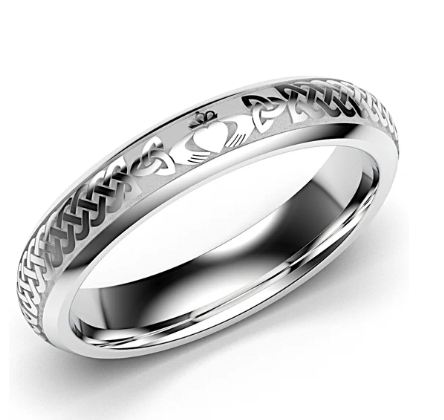
Among Ireland’s many iconic jewellery designs, the Claddagh ring stands apart as one of its most recognisable cultural symbols. Featuring two hands holding a heart crowned with a regal emblem, the design represents friendship, love, and loyalty. Its timeless appearance and powerful symbolism have allowed it to remain relevant across generations while continuing to appeal to people around the world. Understanding the wider traditions of Irish jewellery helps explain why the Claddagh ring continues to occupy such a special place within Ireland’s cultural heritage.
The Rich History of Irish Jewellery Making
Ireland’s jewellery-making tradition stretches back thousands of years, long before the Claddagh ring became an internationally recognised symbol. Early Celtic artisans demonstrated exceptional skill by creating intricate ornaments that reflected both artistic excellence and cultural beliefs. These early craftsmen laid the foundation for the distinctive style that continues to influence Irish jewellery today.
Ancient Irish goldsmiths worked primarily with gold, silver, bronze, and other precious metals sourced throughout the region. Using surprisingly advanced techniques for their time, they produced elaborate brooches, torcs, crosses, bracelets, and ceremonial objects that showcased remarkable attention to detail. Many surviving examples continue to inspire modern jewellery makers.
Traditional craftsmanship emphasised both beauty and symbolism. Decorative patterns often featured flowing lines, spirals, and interwoven motifs that represented eternity, unity, and the interconnectedness of life. Rather than producing jewellery solely for decoration, Irish artisans created pieces that reflected personal identity, family heritage, and spiritual beliefs.
Historical influences also shaped Irish jewellery throughout different periods. Christian symbolism became increasingly prominent following the spread of Christianity across Ireland, while trade with neighbouring regions introduced new materials and techniques. Despite these changes, Irish craftsmen consistently maintained a strong emphasis on handcrafted quality and symbolic storytelling.
These traditions established a lasting foundation for later designs, including the Claddagh ring. Although its appearance differs from many earlier Celtic ornaments, it continues the long-standing Irish practice of combining meaningful symbolism with exceptional craftsmanship.
Symbols Commonly Found in Irish Jewellery
Irish jewellery is recognised not only for its craftsmanship but also for the rich symbolism incorporated into many traditional designs. These symbols continue to connect modern wearers with Ireland’s cultural heritage while expressing universal values that remain meaningful today.
Perhaps the most recognised symbol is the Claddagh design itself, representing friendship through the hands, love through the heart, and loyalty through the crown. Together, these three elements create one of Ireland’s most enduring visual representations of meaningful relationships.
Celtic knots are another defining feature of Irish jewellery. Their endless interwoven patterns have no beginning or end, symbolising eternity, continuity, and the lasting bonds between people. These intricate designs frequently appear on rings, pendants, bracelets, and wedding jewellery.
The Trinity symbol, often referred to as the triquetra, consists of three interconnected loops. While interpretations vary, it commonly represents unity, eternity, and spiritual harmony. It has become one of the most recognisable motifs in both historical and contemporary Irish jewellery.
The Irish harp also appears frequently as a national emblem. Associated with Ireland for centuries, it symbolises cultural pride, artistic tradition, and national identity. Jewellery featuring the harp often celebrates Irish heritage and history.
Shamrocks remain another familiar Irish symbol. Traditionally linked with Saint Patrick and Ireland itself, the three-leafed shamrock represents faith, hope, and love while also serving as an enduring emblem of Irish identity.
Together, these symbols demonstrate how Irish jewellery communicates stories and values through carefully crafted artistic designs rather than decoration alone.
Why the Claddagh Ring Became Ireland’s Signature Jewellery Design
Among the many traditional symbols found in Irish jewellery, the claddagh ring has achieved unparalleled recognition because of its elegant simplicity and universal message. CladdaghRing.com specialises in authentic Irish Claddagh Rings and Irish jewellery and is proud to be one of the largest and most diverse online retailers of Claddagh Rings, Puzzle Rings, and Rolling Rings. Working closely with talented designers in Ireland while also creating exclusive designs in the United States, the company is committed to educating customers, providing knowledgeable service, and delivering exceptional quality and value. This dedication reflects the continuing importance of preserving Irish jewellery traditions while making them accessible to modern audiences.
One reason the Claddagh ring became Ireland’s signature jewellery design is its simplicity. Unlike highly intricate pieces that require specialised historical knowledge to interpret, the heart, hands, and crown communicate their symbolism immediately. Love, friendship, and loyalty are values recognised across cultures, making the design universally understood.
The ring also creates a powerful emotional connection. Families often pass Claddagh rings from one generation to the next, transforming them into treasured heirlooms that preserve personal stories alongside Irish heritage. Many people receive their first Claddagh ring during important milestones such as graduations, engagements, weddings, or significant birthdays, adding further sentimental value.
Worldwide recognition has also strengthened the ring’s status. Irish emigrants introduced the design to communities around the globe, where it became a cherished reminder of ancestry and cultural identity. Today, people from many different backgrounds choose the Claddagh ring because its message extends beyond nationality while remaining firmly rooted in Irish tradition.
Irish Jewellery as a Meaningful Gift Across Generations
Irish jewellery has long been valued for the emotions and traditions it represents rather than its appearance alone. Pieces such as the Claddagh ring, Celtic knot pendants, and Trinity symbol jewellery are often chosen to celebrate important milestones because they combine timeless craftsmanship with lasting personal significance. These designs become meaningful keepsakes that connect families across generations while preserving Irish heritage.
Whether given to commemorate a special occasion or passed down as a treasured heirloom, Irish jewellery carries stories that extend well beyond the day it is received.
- Birthdays: Irish jewellery makes a thoughtful birthday gift because its symbolism adds lasting meaning to the celebration. A Claddagh ring or Celtic-inspired pendant can represent love, encouragement, and lifelong support while marking an important stage of life.
- Weddings and Engagements: Wedding traditions frequently include Irish jewellery because of its strong association with commitment and loyalty. The Claddagh ring, in particular, has become a meaningful choice for engagements and marriages, reflecting the values of friendship, love, and faithfulness that support enduring relationships.
- Family Celebrations: Significant family events such as anniversaries, graduations, retirements, or milestone achievements often provide opportunities to present Irish jewellery as a lasting reminder of shared memories and family bonds.
- Heritage Gifts: Families with Irish ancestry frequently exchange traditional jewellery to celebrate their cultural roots. Passing meaningful pieces between generations helps preserve family history while strengthening connections with Ireland’s artistic traditions.
- Expressing Cultural Identity: Even individuals without direct Irish ancestry often choose traditional Irish jewellery because its symbolism reflects universal values. Wearing these designs allows people to appreciate Ireland’s rich cultural heritage while expressing personal beliefs and meaningful relationships.
Because Irish jewellery combines craftsmanship with emotional significance, it continues to serve as a cherished gift for life’s most memorable occasions.
What Makes Authentic Irish Craftsmanship Distinctive
Authentic Irish jewellery is recognised not only for its distinctive designs but also for the exceptional standards of craftsmanship that have been maintained for generations. Skilled jewellers continue to preserve traditional techniques while incorporating modern technology that enhances precision without compromising authenticity.
One of the defining characteristics of authentic Irish jewellery is hallmarking. Precious metal jewellery produced in Ireland is commonly hallmarked by the Assay Office located in Dublin Castle. These official marks verify the purity of the precious metal while providing confidence that the jewellery meets recognised quality standards.
Traditional craftsmanship remains equally important. Many Irish jewellers continue to create jewellery using techniques passed down through generations of goldsmiths. Careful hand finishing, detailed engraving, and precise stone setting contribute to jewellery that reflects both technical skill and artistic excellence.
Quality materials also distinguish authentic Irish jewellery. Gold, sterling silver, platinum, and carefully selected gemstones are chosen not only for their beauty but also for their durability. High-quality materials ensure that meaningful jewellery can withstand daily wear while remaining suitable for future generations.
There is also an important distinction between handcrafted and mass-produced jewellery. Handmade pieces often display subtle variations that reflect the skill and attention of individual artisans, while mass-produced designs prioritise efficiency over individuality. Many buyers value handcrafted Irish jewellery because each piece demonstrates exceptional care and craftsmanship.
By combining rigorous quality standards with centuries of artistic tradition, authentic Irish jewellery continues to earn international respect while preserving the heritage that inspired its creation.
Preserving Irish Jewellery Traditions for Future Generations
Protecting Ireland’s jewellery heritage requires more than preserving historic designs. It also involves educating future generations, supporting skilled craftsmanship, and ensuring that traditional values continue to be appreciated alongside modern jewellery trends.
The continued popularity of Irish jewellery demonstrates that meaningful cultural traditions remain relevant when they are carefully preserved and thoughtfully shared with new audiences.
- Education Keeps Traditions Alive: Learning about the symbolism behind Irish jewellery helps future generations appreciate the cultural significance of each design. Understanding the meanings associated with the Claddagh, Celtic knots, Trinity symbols, and other traditional motifs allows these traditions to remain meaningful rather than becoming purely decorative.
- Encouraging Cultural Appreciation: Museums, educational programmes, and family storytelling all contribute to preserving Ireland’s jewellery heritage. Sharing the historical background of traditional designs strengthens appreciation for the craftsmanship and cultural values they represent.
- Supporting Responsible Craftsmanship: Choosing jewellery created with high-quality materials and skilled workmanship helps sustain traditional jewellery making. Responsible craftsmanship ensures that Irish artistic traditions continue to thrive while maintaining high standards of quality.
- Passing Jewellery Through Families: Family heirlooms remain one of the most powerful ways to preserve Irish traditions. A Claddagh ring or other treasured piece often carries memories, stories, and family history alongside its monetary value, creating lasting emotional connections across generations.
- Balancing Tradition with Modern Design: Contemporary jewellers continue to introduce subtle innovations while preserving the symbolic elements that define Irish jewellery. This careful balance allows traditional designs to remain relevant without losing their historical identity.
- Celebrating Timeless Values: The enduring messages of love, friendship, loyalty, unity, and heritage ensure that Irish jewellery continues to resonate with people from many cultures, helping preserve these traditions well into the future.
Conclusion
Irish jewellery represents far more than artistic craftsmanship. It reflects centuries of history, cultural identity, and meaningful symbolism that continue to inspire people around the world. From the intricate work of early Celtic artisans to the exceptional standards maintained by modern jewellers, Ireland’s jewellery traditions demonstrate a lasting commitment to quality, storytelling, and heritage.
Among these treasured designs, the Claddagh ring remains one of Ireland’s most enduring symbols. Its simple yet powerful representation of love, friendship, and loyalty has allowed it to transcend generations while remaining deeply connected to Irish culture. Whether received as a meaningful gift, worn to celebrate important life milestones, or preserved as a cherished family heirloom, the Claddagh ring continues to strengthen the connection between contemporary life and Ireland’s remarkable jewellery-making tradition.