Removing a tree can solve an immediate problem, but leaving the stump behind creates another obstacle. A stump may interfere with mowing, planting, grading and the installation of new landscape features, highlights Keyrenter Premier Mesa. Its roots and decaying wood can also affect the ground long after the trunk and branches are gone.
For these reasons, stump removal should be treated as part of the landscaping plan rather than postponed until after the yard has been redesigned. Addressing it first gives property owners a cleaner, safer and more adaptable site.
Stumps Restrict the Use and Design of a Yard
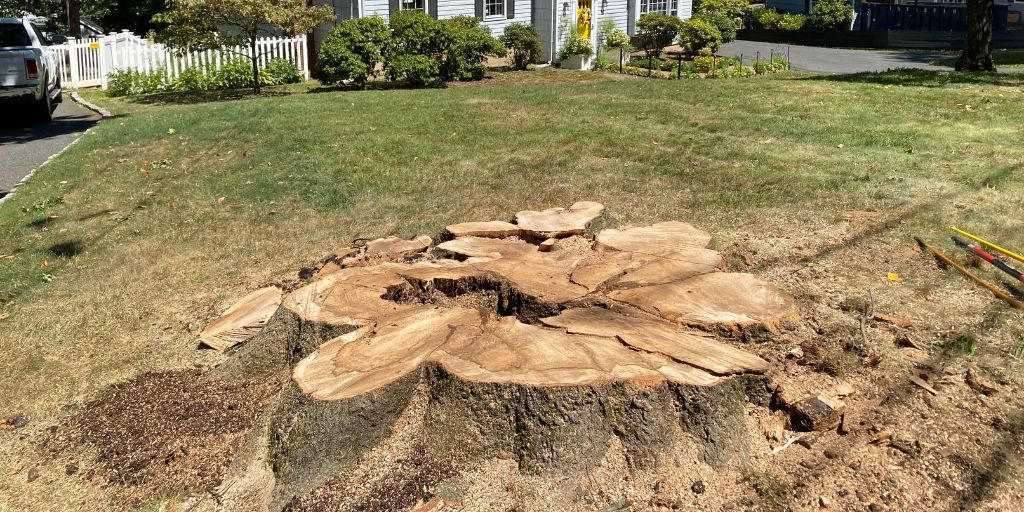
A remaining tree stump can prevent a yard from being landscaped efficiently. Space that could support grass, a garden bed, seating or another useful feature instead becomes an obstacle that the entire design must work around.
Leaving the stump may create several practical problems:
- Restricted design options: Walkways, edging and planting areas may need to follow an awkward layout, reducing the usable space and weakening the overall landscape design.
- Difficult lawn maintenance: Mower blades and other equipment can strike exposed wood or surface roots, potentially damaging machinery and making routine maintenance more difficult.
- Trip hazards: Low stumps and roots can disappear beneath grass or groundcover, creating risks for children, visitors and landscaping workers.
- Uneven ground: Raised stumps disrupt the lawn surface, while shallow depressions around old stumps may collect rainwater, soil, leaves and other debris.
Covering the area with topsoil or sod is only a temporary cosmetic fix. The buried stump and remaining roots will continue decomposing, potentially creating underground voids and causing the surface to sink over time. Removing or grinding the stump before landscaping allows wood debris to be cleared, the hole to be filled with suitable soil and the area to be graded properly for lawn, planting or construction.
Grinding Creates a Better Starting Point for Landscaping
Grinding is generally more practical than digging out the entire root system of a mature tree. Iowa State University Extension describes professional grinding as the quickest, easiest and safest stump-removal method. Its guidance explains that grinding machinery commonly reduces a stump and large lateral roots to approximately 8 to 12 inches below the surface.
That depth may be sufficient for establishing turf, creating a shallow planting bed or completing other surface improvements. However, the required depth depends on what will replace the stump. A lawn has different site requirements from a patio, retaining wall or new tree.
Before work begins, the operator should understand the planned use of the area and the location of underground infrastructure. The national 811 Before You Dig service allows utility lines to be marked before mechanized excavation or grinding takes place. Irrigation pipes, private lighting cables and drainage components may require separate investigation because they might not be covered by a standard public utility locate.
A qualified tree service company can assess stump size, access limitations, visible roots and the proposed landscaping before selecting suitable equipment.
Wood Debris Must Be Managed Before Replanting
Grinding leaves behind wood chips, sawdust, root fragments and disturbed soil rather than a finished planting surface. Buried wood debris can temporarily reduce nitrogen availability, disrupt moisture movement and create voids as it decomposes. This may cause uneven settling, water pooling and poor turf growth.
Excess grindings should therefore be removed from the hole before clean topsoil is added. Some chips can be composted or reused as surface mulch in an appropriate part of the yard, but they should not be treated as a direct substitute for planting soil.
The repaired area may need to be filled slightly above the surrounding grade to allow for settlement. Soil testing can also help determine whether nutrient or pH adjustments are necessary before expensive plants, seed or sod are installed.
Remaining Roots and Regrowth Require Planning
Grinding removes the stump and some surface roots, but deeper roots remain and gradually decay, potentially causing the ground to settle. Some species may also regrow from the stump or surviving roots. Herbicides can control resprouting when applied according to the label, but they do not accelerate decay and may harm nearby plants if misused.
Homeowners planning a replacement tree should avoid automatically planting it in the exact former location. Remaining roots, depleted soil, buried wood and the reason the original tree died can all affect the replacement. The University of Minnesota Extension recommends evaluating soil, drainage, sunlight, available space and other site conditions when selecting a planting location.
Professional stump grinding services can prepare the area for restoration, but the final landscaping plan should still account for residual roots, settlement and suitable soil preparation.
Conclusion: Remove the Obstacle Before Rebuilding the Yard
Designing around an unwanted stump is a poor compromise. It limits the layout, complicates maintenance and can leave unstable soil beneath new landscaping.
Removing or grinding the stump before work begins allows the area to be cleared, inspected, graded and refilled for its next use. When wood debris, remaining roots and soil conditions are addressed properly, grass and other landscape features have a far stronger foundation for long-term performance.