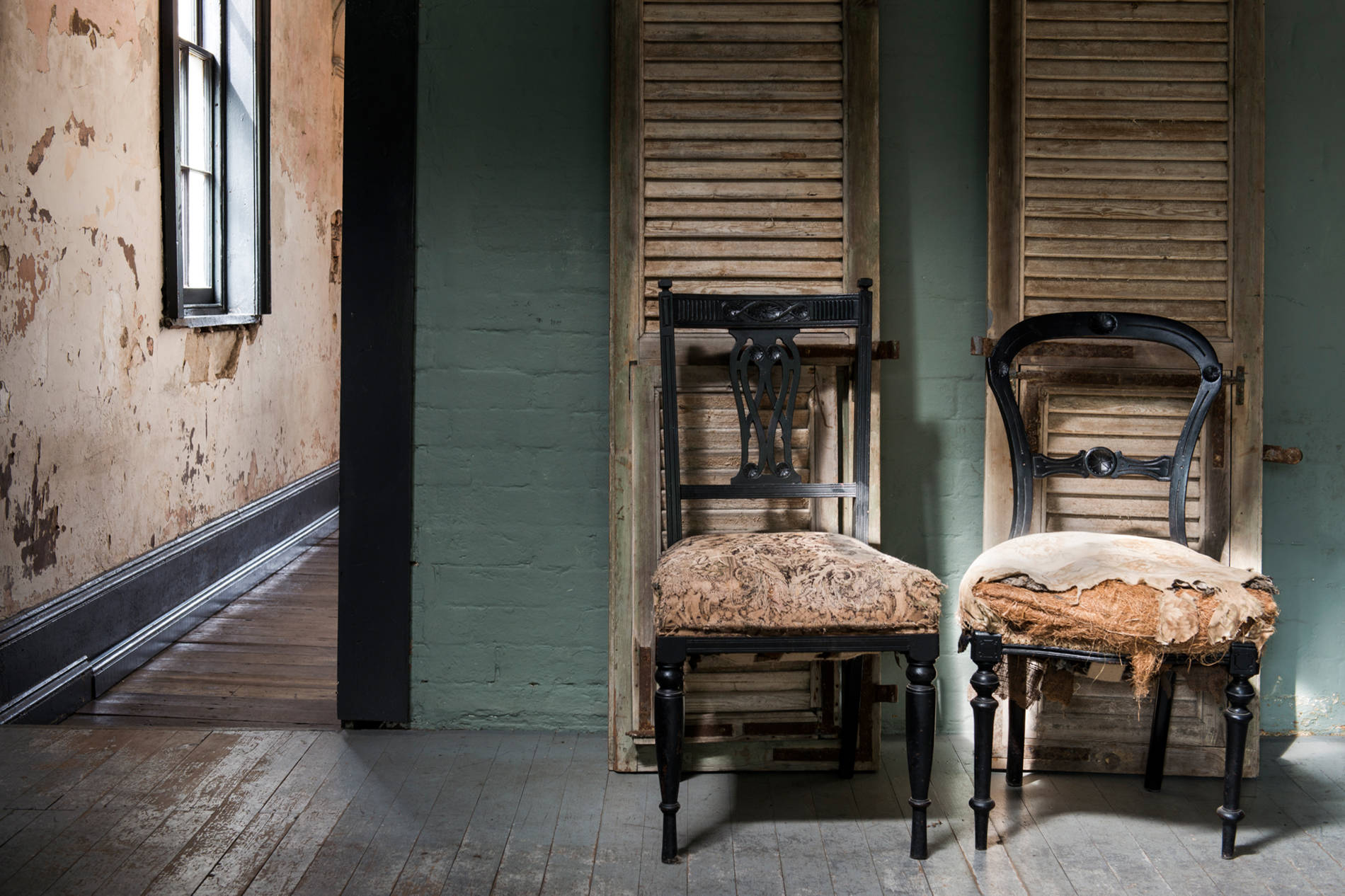
Buying an older home can be exciting. Many older properties offer larger rooms, unique architectural details, mature landscaping, and neighborhoods with established communities. However, age also brings wear and tear that isn’t always easy to spot during a casual viewing.
Fresh paint, new flooring, and updated kitchens can make a house look move-in ready, but cosmetic improvements may hide much larger structural concerns. Some problems remain unnoticed for years before becoming expensive repairs.
If you’re considering purchasing an older home, understanding the hidden structural issues that buyers commonly overlook can help you make a smarter investment and avoid unexpected costs after moving in.
Why Structural Problems Are Easy to Miss
Most buyers naturally focus on features they can immediately see, such as the kitchen, bathrooms, bedrooms, and outdoor space. During a short home tour, it’s difficult to inspect every part of the property carefully.
Sellers may not intentionally hide defects, but many structural problems develop slowly and remain hidden behind walls, ceilings, flooring, or landscaping. Without knowing what warning signs to look for, buyers can mistake serious issues for normal aging.
A professional inspection greatly reduces the risk, but even before hiring an inspector, having a basic understanding of structural concerns helps you ask better questions.
Foundation Cracks That Need Closer Attention
Small hairline cracks are common in many homes as materials naturally expand and contract over time. However, not every crack is harmless.
Some warning signs include:
- Wide horizontal foundation cracks
- Stair-step cracks in brick or block walls
- Cracks that continue growing
- Uneven concrete surfaces
- Gaps between walls and floors
These signs may indicate movement beneath the home’s foundation. Foundation repairs can range from relatively simple fixes to major reconstruction depending on the severity.
Always ask whether previous foundation work has been completed and request any available repair documentation.
Uneven or Sloping Floors
Many older homes have floors that aren’t perfectly level. In some cases, this is simply the result of decades of settling.
However, excessive slopes may point to more serious problems such as:
- Foundation movement
- Damaged floor joists
- Rotten support beams
- Weak crawl space supports
- Moisture damage
A simple way to notice uneven flooring is to walk through multiple rooms while paying attention to changes in floor height. Doors that swing open on their own or furniture that appears slightly tilted can also be clues.
Hidden Water Damage
Water is one of the biggest threats to any home’s structure.
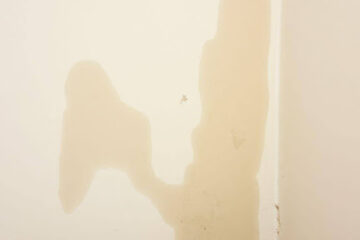
Even if walls look freshly painted, hidden moisture may still exist behind drywall or beneath flooring.
Common causes include:
- Roof leaks
- Broken plumbing
- Poor drainage
- Basement flooding
- Faulty gutters
- Exterior grading problems
Water damage weakens wooden framing over time and creates conditions for mold growth.
Look for subtle signs such as:
- Musty odors
- Stained ceilings
- Bubbling paint
- Soft flooring
- Warped trim
- Discolored drywall
Roof Structure Issues
A roof replacement may improve appearance, but the visible roofing material tells only part of the story.
The underlying roof framing can develop problems including:
- Sagging rafters
- Rotting roof decking
- Improper repairs
- Water-damaged trusses
- Poor attic ventilation
From outside, check whether the roofline appears straight. A noticeable dip or sag may require further investigation.
Inside the attic, inspect for water stains, cracked framing, or signs of previous repairs whenever possible.
Termite and Wood-Destroying Insect Damage
One of the most expensive hidden problems in older homes comes from insects.
Termites often remain active for years before visible damage appears.
Watch for:
- Hollow-sounding wood
- Mud tubes on foundation walls
- Soft window frames
- Damaged floor joists
- Small piles of wood dust
Even after termites are eliminated, structural repairs may still be necessary if wooden supports have weakened.
Damaged Load-Bearing Walls
Many older homes undergo renovations over several decades.
Previous owners sometimes remove walls to create open floor plans without properly reinforcing the structure.
Removing a load-bearing wall without adequate support can eventually cause:
- Ceiling cracks
- Floor movement
- Roof sagging
- Door alignment problems
- Structural instability
If major remodeling has been completed, ask whether permits were obtained and whether engineering approval was required.
Chimney Movement
Brick chimneys often develop structural issues as homes age.
Signs include:
- Leaning chimneys
- Cracked mortar joints
- Separated brickwork
- Gaps where the chimney meets the house
A leaning chimney may indicate foundation movement rather than simply aging masonry.
Repair costs vary significantly depending on the underlying cause.
Crawl Space Problems
Many buyers rarely spend time inspecting crawl spaces, yet they reveal valuable information about a home’s condition.
Common concerns include:
- Standing water
- Rotting beams
- Mold
- Insect damage
- Broken supports
- Poor ventilation
A damp crawl space can gradually weaken the home’s entire structural system if left untreated.
Basement Warning Signs
Basements often provide early evidence of structural movement.
Pay attention to:
- Bowing walls
- Water seepage
- White mineral deposits
- Floor cracks
- Rust on steel supports
- Persistent dampness
Some waterproofing solutions address only moisture while leaving structural movement unresolved.
Windows and Doors That No Longer Fit Properly
Older homes naturally shift over time, but excessive movement may indicate structural concerns.
Watch for:
- Doors that stick
- Windows difficult to open
- Uneven gaps around frames
- Cracked window corners
- Interior trim separating from walls
While humidity sometimes causes temporary sticking, widespread problems throughout the house deserve further evaluation.
Poor Drainage Around the Property
Structural problems don’t always begin inside the home.
Improper drainage allows water to collect around the foundation, increasing pressure on basement walls and contributing to long-term movement.
Check for:
- Water pooling near the home
- Downspouts ending too close to the foundation
- Soil sloping toward the house
- Erosion around footings
Correcting drainage early helps prevent larger structural repairs later.
Previous Repairs That Raise Questions
Not every repair is a warning sign. In fact, many professionally completed repairs improve a home’s long-term stability.
However, buyers should understand exactly what work was done.
Ask for:
- Contractor invoices
- Engineering reports
- Warranty information
- Inspection records
- Permit documentation
Well-documented repairs often provide greater confidence than hidden issues that have never been addressed.
Why a Professional Structural Inspection Matters
A general home inspection is extremely valuable, but some situations require additional evaluation from a structural engineer.
Consider requesting a specialist if the home shows:
- Large foundation cracks
- Significant floor movement
- Roof sagging
- Leaning walls
- Major water damage
- Extensive previous structural repairs
An engineer can determine whether movement is active, stable, or cosmetic, giving buyers a clearer understanding of future repair needs.
Final Thoughts
Older homes can offer outstanding value, timeless character, and solid craftsmanship that many newer properties cannot match. However, beneath attractive finishes may lie structural issues that are easy to overlook during a standard walkthrough.
Taking time to inspect the foundation, roof structure, crawl space, basement, drainage, and load-bearing elements can reveal problems before they become costly surprises. Asking the right questions, reviewing repair records, and investing in professional inspections provide valuable peace of mind.
A careful evaluation doesn’t mean avoiding older homes altogether. Instead, it allows buyers to understand the property’s true condition, negotiate fairly when necessary, and purchase with confidence knowing they’ve looked beyond the surface.