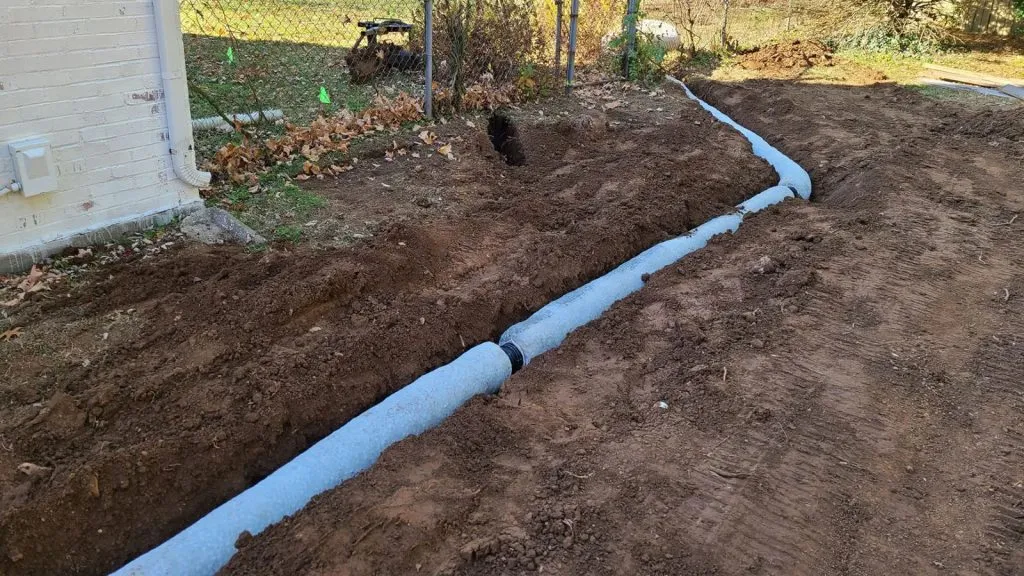
Water is also one of the largest hazards to a home’s foundation, according to the leading Realty Management in Nampa. Although rain and surface water appear innocuous separately, they can create permanent structural damage when not channelled away. Imperfect drainage causes soil expansion, erosion, and hydrostatic pressure, all of which compromise your home’s foundation. A great way to avoid this is by having a French drain installed.
Why Foundations Are at Risk
Basements are constructed to carry the full load of a house. They depend on firm, dry ground to stay in position. When water gathers near foundations, the ground swells or washes away. Soils with high water absorption capacity, like clay, soak up water and swell against foundation walls. Loose or sandy soils can get washed out, leaving the foundation unsupported.
Over time, this imbalance causes wall cracks, sagging floors, or worse, structural settlement. Once the damage has occurred, repairs are expensive and invasive. Keeping water from pooling near your house is much simpler and less costly than repairing a compromised foundation.
The Role of a French Drain
A French drain is an ingenious yet easy drainage system. It is a trench with a perforated pipe in it that contains gravel. The water from the ground naturally seeps into the gravel and then into the pipe and away from the house to a safe point of discharge.
Rather than permitting water to build up pressure against your foundation walls, this system gives water a controlled way of exiting. It effectively is an underground safety valve, keeping your home dry and safe.
Signs You May Need One
A few red flags indicate poor drainage is encroaching on your foundation:
- Water accumulates at the bottom of your residence after rain.
- Cracks in walls, particularly around the foundation.
- Mould or mildew odours in basements or crawl spaces.
- Soil erosion or root exposure close to the house.
- Paint blistering or plaster cracking in your home.
Recognising these early can cause you to act before damage gets severe.
Benefits Beyond Foundation Protection
While the main function of a French drain is foundation protection, it has other benefits as well. By directing water away, it minimises the possibility of mould and mildew inside. It also keeps garden beds, driveways, and lawns from becoming soggy disasters.
As an added bonus, maintaining excess humidity away reduces damage to wooden structures, keeps pests drawn to humid conditions away, and minimises the burden on sump pumps. It is an investment in structural integrity and daily comfort that lasts.
Installation Considerations
The installation and placement of a French drain are very important. It should be placed at the right depth and gradient so that water is directed away effectively. Inadequate design systems can clog, not divert enough water, or even exacerbate the issue by diverting it to the wrong parts of the land.
Gravel size, perforation of the pipe, and soil type are all significant technical considerations. That is why most homeowners opt for professional installation instead of doing it themselves. A professional plumber or drainage specialist will be able to adjust the system to your home’s specific conditions. Companies such as Black Tie Plumbing, for example, perform such undertakings with the technical know-how required for effectiveness over the long term.
When to Install One
French drains are especially helpful in houses constructed on clay-laden soils or on sloping land leading towards the house. They are also recommended if you reside in a region with heavy rain, regular storms, or high water tables. Even if your home doesn’t currently show signs of water damage, installing a drain as a preventative measure can help avoid future stress.
Home additions, basement remodels, or extensive landscaping jobs are also good opportunities to include a drainage system. This ensures you won’t have to back up and disrupt finished spaces down the line if water issues occur.
Maintenance Matters
While they are pretty low-maintenance, French drains are not completely self-sustaining. Eventually, sediment and trash can jam the system. Routine checks and, if needed, pipe flushing will keep it in operation. If your yard continues to flood even with a drain, maintenance or repair may be necessary.
Final Thoughts
Your home’s foundation can only be as solid as the ground beneath it. Water buildup is a silent but sinister foe, one that can undermine the very foundation of your property. A well-designed French drain provides a sure and discreet means of diverting water away, protecting your home for many years to come.
By catching drainage issues early, you can prevent expensive repairs, have a healthier living environment, and safeguard the long-term value of your property. Spending on proper drainage isn’t merely about weathering the next storm—it is about having your home endure for generations.