A home rarely goes stale all at once. One corner at a time, the paint dulls, the furniture settles into the same arrangement it has held for years, and rooms that once felt fresh start to feel tired. A modern home makeover does not have to mean gutting the house or spending a small fortune. The most successful transformations work corner by corner, fixing the layout, light, and surfaces in each space so the whole home feels connected, calm, and current again.
This guide takes a practical, room-by-room approach. Instead of a long list of disconnected decorating tips, you will find a plan for walking through your home, spotting what each corner actually needs, and choosing changes that earn their keep. Some ideas cost almost nothing, such as rearranging furniture or editing clutter. Others, like new lighting or a kitchen refresh, are bigger investments that pay off every single day. The goal is a home that looks modern and works better for the way you live now.
The Short Answer: What a Modern Home Makeover Really Involves
A modern home makeover is a coordinated set of changes to layout, colour, light, and surfaces that makes every corner of a living space feel brighter, more open, and easier to use. It usually starts with decluttering and a clear colour palette, then moves through the highest-impact rooms — the living room and kitchen first — before finishing with bedrooms, bathrooms, and hallways. Most homeowners complete a whole-home makeover in stages over several months, spending the most where daily life happens and keeping changes in smaller rooms simple and affordable.
Start Your Makeover With a Corner-by-Corner Walk-Through
Before buying anything, walk through your home slowly, room by room, with a notebook. Stand in each doorway and ask three questions: what do I use this corner for, what gets in the way, and what makes it look dated? You will notice things you stopped seeing years ago — a dark corner where a lamp died, a pile of things that never found a home, or a wall colour that fights with the furniture. Write down one fix per corner, not ten, so the list stays realistic.
The Five-Minute Room Audit That Sets Your Makeover Priorities
Give the Living Room a New Centre of Gravity
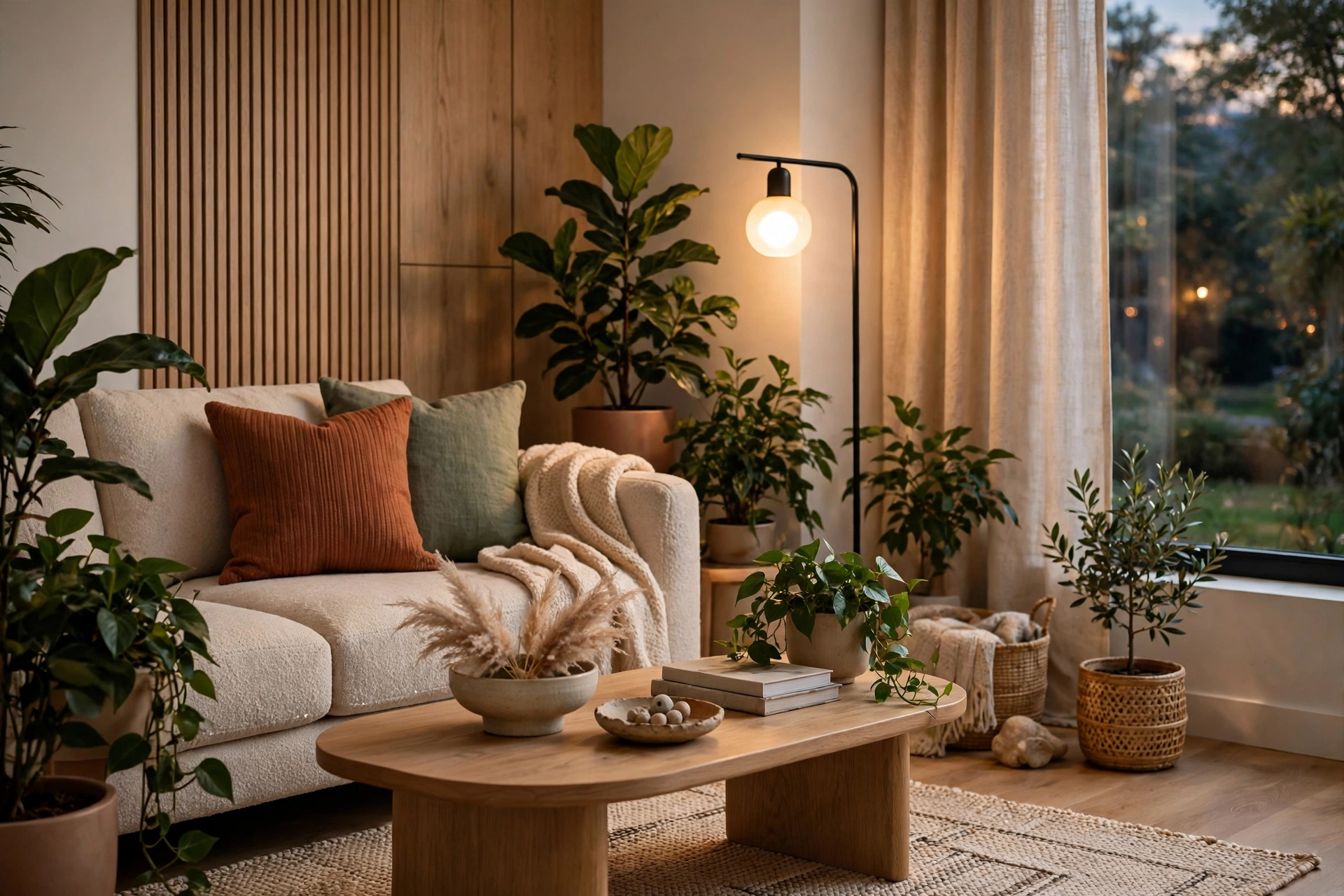
Every living room needs a clear focal point, and in many homes that focal point has been lost behind a television, a bulky cabinet, or furniture pushed against every wall. Pull the seating away from the walls and arrange it around one anchor — a fireplace, a large window, or a low media console — leaving clear walking paths of at least 75 centimetres around the group. A rug that is large enough for the front legs of every seat to rest on it will pull the arrangement together and make the room feel intentionally designed rather than assembled by accident.
Once the layout works, refresh the surfaces that frame it. A single feature wall in a deep, warm tone, a set of floating shelves, or a new pendant light can change the whole mood of the room. Replace heavy curtains with lighter linen panels hung high and wide so the window looks larger, and add layered lighting: a ceiling fixture for general light, a floor lamp beside the main seat, and a small accent light on a shelf. Together these changes cost far less than new furniture yet make the room feel completely different.
Turn the Kitchen Into the Brightest Corner of the House
Kitchens age fastest because they are used hardest, so a makeover here repays itself in daily comfort. You do not need a full replacement to see a big change. Painting or refinishing cabinet fronts, swapping dated handles for slim matte-black or brushed-brass pulls, and adding a fresh backsplash in classic subway tile or handmade-look zellige tile can make a ten-year-old kitchen look current. Under-cabinet LED strips are a small job with an outsized effect, washing the worktops in warm light and making evening cooking far more pleasant.
Storage is the other half of a kitchen makeover. Deep drawers with full-extension runners, pull-out pantry shelves, and vertical dividers for trays and boards bring order to cupboards that currently swallow things whole. If the budget allows, a quartz worktop replaces a stained laminate one and needs almost no maintenance, while a single open shelf with a few well-chosen pieces adds personality without the dust-collecting clutter of filling every wall. Keep the palette calm — warm white cabinets, one timber tone, one metal finish — and the kitchen will feel modern for years rather than fashionable for one season.
Make Bedrooms Feel Calmer Without Buying New Furniture
Bedrooms should be the easiest rooms to make over, because calm comes from subtraction as much as addition. Start by removing everything that does not belong in a restful room: the laundry chair, the stack of unread mail, the extra furniture that blocks the window. Then give the bed itself the attention it deserves — fresh linen in a soft neutral, a simple headboard in timber or upholstered fabric, and one or two cushions rather than a pile of them. A bedroom with a clear floor and a made bed already looks halfway transformed.
Light and colour do the rest. Blackout lining behind linen curtains improves sleep and looks far more polished than bare blinds, while a warm bedside lamp on each side of the bed replaces a single harsh ceiling light. Paint the walls a soft warm white or a muted sage, and repeat one accent colour — a deep green throw, a navy cushion, a terracotta vase — three times around the room so the scheme feels deliberate. Built-in wardrobes or a simple organiser inside an existing wardrobe will keep clothes out of sight, which is the single biggest contributor to a calm bedroom.
Refresh Bathrooms and Hallways, the Corners Makeovers Forget
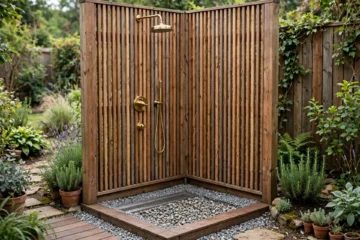
Bathrooms and hallways are small, so people skip them — and that is exactly why refreshing them makes the whole house feel finished. In a bathroom, replace the mirror with a larger one with a slim frame, swap the taps and showerhead for a matching modern set, and add a floating shelf or a heated towel rail. A frameless glass shower screen, even in a modest bathroom, opens up the sightline and makes the room feel larger. Water-efficient fixtures are worth choosing here, since they cut running costs while they update the look.
A Makeover Budget Map: Where to Spend First in Each Corner
Not every corner deserves the same share of the budget. Kitchens and living rooms are where the family spends most waking hours, so they justify the biggest spend, while bedrooms and hallways reward small, cheap changes. A rough guide is to put about a third of the budget into the kitchen, a fifth into the living room, and the rest across bathrooms, bedrooms, and hallways, keeping roughly a fifth of the total in reserve for surprises — a common rule of thumb in renovation planning is to hold back around 20 percent as a contingency, because opening up walls and floors often reveals worn wiring, damp, or uneven subfloors.
Makeover Missteps That Make a Modern Home Feel Messy Instead
The most common makeover mistake is buying before planning. A new sofa in the wrong scale, a bold paint colour chosen from a tiny swatch, or a statement light that hangs too low can all make a room feel worse than before. Always measure the room and the furniture, test paint on a large patch in daylight and lamplight, and hang light fittings so their lowest point clears head height comfortably. A second mistake is mixing too many styles and finishes — three metal finishes in one room, or a different floor in every space — which makes a home feel restless rather than modern. Pick one palette and one metal finish per floor and repeat them.
When a Living-Space Makeover Needs a Licensed Pro, Not a Weekend
Most makeover work is safe for a confident DIYer — painting, swapping hardware, hanging shelves, and rearranging furniture. The line is crossed when the work touches structure, gas, or mains electricity. Removing a wall, even one that looks like a simple partition, needs a professional assessment first, because load-bearing walls carry the weight of the floors above and their removal requires proper support. Likewise, moving a radiator, rewiring a room, or installing a new circuit should be left to a qualified electrician, and any gas work to a registered gas engineer.
Damp, mould, and asbestos are the other warning signs. If a wall is damp, peeling, or smells musty, find and fix the source of the moisture before painting over it, and bring in a specialist if the problem is widespread. Homes built before the 1980s may contain asbestos in old floor tiles, ceiling textures, or pipe lagging; never cut, sand, or break suspect material yourself — have it tested and, if needed, removed by a licensed contractor. A makeover that starts with these checks costs a little more up front and saves a great deal of trouble later.
Final Thoughts: A Modern Makeover That Fits the Way You Live
A modern home makeover succeeds when it follows the life lived inside the house rather than a magazine spread. Start with the walk-through, fix light and layout before buying new things, spend most where the family actually spends time, and keep one calm palette running through every corner. Done in stages, the transformation is affordable, manageable, and — because each change solves a real daily annoyance — it stays satisfying long after the paint has dried. Pick the highest-impact corner this weekend, and let the rest of the house follow one room at a time.
Modern Home Makeover FAQs
How long does a whole-home makeover take if I do it room by room?
Most homeowners finish one room every four to eight weeks working on weekends, so a full house typically takes six to twelve months. Working room by room keeps the home liveable, spreads the cost, and lets you learn what works in the first room before repeating it elsewhere.
What is the cheapest way to make my home look modern?
Decluttering and rearranging furniture cost nothing and often make the biggest difference. After that, a fresh coat of warm white paint, new cabinet hardware, and better lighting give the strongest visual return for the least money, usually for a few hundred pounds or dollars per room.
Should I start with the kitchen or the living room?
Start with the room you use most. For most families that is the kitchen or the main living area. A kitchen refresh has the biggest effect on daily life, while a living room layout change is faster and cheaper, so either choice is sound as long as you finish one room before starting the next.
How do I keep every room looking connected during a staged makeover?
Use one neutral wall colour, one timber tone, and one metal finish throughout the house, and repeat the same trim colour in every room. Let each room add personality through accessories and one accent colour, not through permanent fixtures, so the whole home reads as one design.
Can I modernise my home without replacing the flooring?
Yes, in most cases. Large rugs in a neutral tone can cover worn carpet or dated tile, define zones in open-plan rooms, and add warmth. If the existing floor is sound but scratched, refinishing timber boards or using peel-and-stick vinyl tiles in a kitchen or bathroom can refresh it for far less than a full replacement.
Do I need planning permission for a home makeover?
Cosmetic work such as painting, new flooring, and replacing fixtures almost never needs permission. Structural changes, extensions, and work on listed buildings or in conservation areas may do, so check with your local planning authority before removing walls, changing windows, or altering the outside of the property.