A new roof is one of the biggest investments you can make in your home, highlight Real Property Management experts. It protects your property from the weather, improves energy efficiency, and plays a major role in your home’s curb appeal. Among the many roofing options available today, metal roofing has become one of the fastest-growing choices for homeowners.
Years ago, metal roofs were mostly seen on barns, warehouses, and commercial buildings. Today, modern metal roofing comes in a wide variety of colors, finishes, and styles that complement almost any type of home. Many homeowners choose metal because of its durability, long lifespan, and low maintenance requirements.
However, no roofing material is perfect. While metal roofs offer many advantages, they also come with certain drawbacks that should be considered before making a decision.
This guide explores the major pros and cons of installing a metal roof so you can decide whether it’s the right investment for your home.
What Is a Metal Roof?
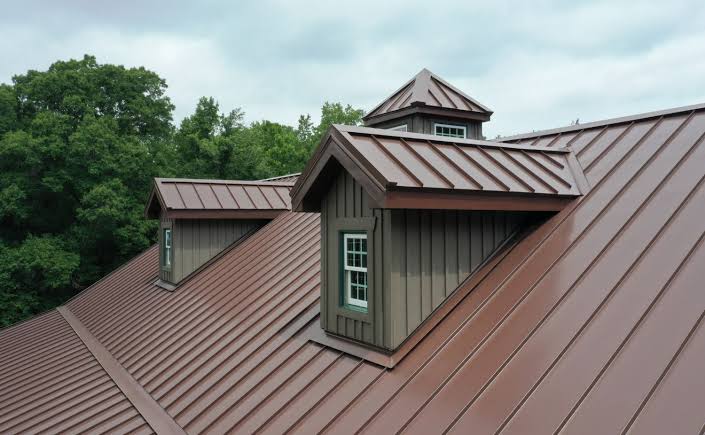
A metal roof is a roofing system made from metal panels or shingles. Depending on the product, it may be manufactured from steel, aluminum, copper, zinc, or other metal alloys. Modern metal roofing is designed to withstand harsh weather while providing an attractive appearance that lasts for decades.
Metal roofs are available in several styles, including:
- Standing seam panels
- Metal shingles
- Corrugated panels
- Stone-coated steel roofing
- Metal tiles
Because of these options, homeowners can choose a design that matches both modern and traditional homes.
Pros of Installing a Metal Roof
Exceptional Lifespan
One of the biggest reasons homeowners choose metal roofing is its impressive lifespan.
A properly installed metal roof can last between 40 and 70 years, depending on the material and maintenance. In comparison, many asphalt shingle roofs need replacement after 20 to 30 years.
Although the upfront cost is higher, the longer lifespan often makes metal roofing a smart long-term investment.
Outstanding Durability
Metal roofs are built to handle extreme weather conditions.
They perform well against:
- Heavy rain
- Snow
- Strong winds
- Hail
- Intense sunlight
Many premium metal roofing systems are tested to withstand wind speeds exceeding 120 miles per hour.
Unlike some traditional roofing materials, metal won’t crack, split, or rot over time.
Excellent Fire Resistance
Metal roofing is naturally fire-resistant.
Since metal is non-combustible, it provides additional protection in areas where wildfires or accidental fires are a concern.
This safety feature may even help lower homeowners insurance premiums in certain regions.
Energy Efficiency
Metal roofs reflect a significant amount of solar heat instead of absorbing it.
This helps:
- Keep homes cooler during summer
- Reduce air conditioning use
- Improve indoor comfort
- Lower energy bills
Many modern metal roofing products include reflective coatings that improve energy efficiency even further.
Environmentally Friendly
Metal roofing is considered one of the most environmentally responsible roofing options.
Many products are manufactured using recycled materials.
When the roof eventually reaches the end of its lifespan, the metal can often be recycled instead of ending up in a landfill.
This makes metal roofing a popular choice for homeowners interested in sustainable building materials.
Low Maintenance
Compared to many roofing materials, metal roofs require very little maintenance.
Routine care generally includes:
- Removing leaves and debris
- Cleaning gutters
- Inspecting fasteners
- Checking flashing
- Occasional washing
Unlike wood roofing, metal does not attract insects or develop mold and mildew easily.
Attractive Appearance
Today’s metal roofs are available in numerous colors and styles.
Manufacturers now produce products that resemble:
- Slate
- Clay tile
- Cedar shakes
- Traditional shingles
This allows homeowners to enjoy the benefits of metal without sacrificing appearance.
Lightweight Material
Metal roofing weighs much less than concrete tiles or slate.
A lighter roof places less stress on the home’s structural framework.
In many cases, a metal roof can even be installed over an existing asphalt roof, reducing labor and disposal costs.
Better Snow Shedding
In colder climates, metal roofs naturally shed snow more easily than rough roofing materials.
Snow slides off the smooth surface, reducing heavy snow buildup and minimizing excess roof weight during winter.
Cons of Installing a Metal Roof
Higher Initial Cost
The biggest disadvantage of metal roofing is its price.
Compared to asphalt shingles, metal roofing generally costs significantly more upfront.
Costs include:
- Premium materials
- Professional installation
- Specialized equipment
- Skilled labor
Although many homeowners recover these costs through durability and energy savings, the initial investment can still be difficult for some budgets.
Noise During Rain
Without proper insulation, metal roofs may produce more noticeable noise during heavy rain or hail.
Fortunately, modern installation methods usually include insulation and underlayment that greatly reduce sound.
Most homeowners find properly installed metal roofs much quieter than expected.
Expansion and Contraction
Metal naturally expands when heated and contracts when temperatures drop.
Quality roofing systems are specifically designed to accommodate this movement.
However, poor installation may eventually cause fasteners or panels to loosen.
Professional installation is essential.
Denting
Certain metals, particularly aluminum, can dent when struck by large hail or falling tree branches.
Thicker steel roofing products generally resist dents much better than thinner materials.
Choosing high-quality materials can reduce this concern.
Difficult Repairs
If damage occurs, repairing a metal roof can sometimes be more complicated than repairing asphalt shingles.
Matching replacement panels, colors, and finishes may require ordering materials directly from the manufacturer.
Repairs should usually be completed by experienced roofing professionals.
Limited DIY Installation
Metal roofing installation requires specialized knowledge.
Incorrect installation can lead to:
- Water leaks
- Loose fasteners
- Poor ventilation
- Warranty issues
For this reason, professional installation is strongly recommended.
Metal Roof vs Asphalt Shingles
| Feature | Metal Roof | Asphalt Shingles |
|---|---|---|
| Lifespan | 40–70 Years | 20–30 Years |
| Maintenance | Low | Moderate |
| Energy Efficiency | Excellent | Average |
| Fire Resistance | Excellent | Moderate |
| Weather Resistance | Excellent | Good |
| Upfront Cost | High | Lower |
| Appearance | Modern & Traditional Styles | Wide Variety |
| Environmental Impact | Recyclable | Less Sustainable |
Is a Metal Roof Worth the Cost?
For many homeowners, the answer is yes.
While the purchase price is higher, metal roofing often pays off over time through:
- Longer lifespan
- Reduced maintenance
- Energy savings
- Better durability
- Higher resale appeal
If you plan to stay in your home for many years, the long-term value may outweigh the initial expense.
Who Should Consider a Metal Roof?
Metal roofing is an excellent option for homeowners who:
- Plan to stay in their home long-term
- Want minimal maintenance
- Live in areas with severe weather
- Want improved energy efficiency
- Prefer environmentally friendly materials
Who May Want Another Roofing Material?
Metal roofing may not be the best fit if you:
- Have a very limited renovation budget
- Prefer a lower upfront cost
- Live in an area prone to large hail and choose thinner metal panels
- Plan to sell your home in the near future and may not recover the full investment
Tips Before Installing a Metal Roof
Before choosing a metal roof, keep these recommendations in mind:
- Compare several roofing contractors.
- Ask about manufacturer warranties.
- Choose thicker panels for improved durability.
- Select a color that complements your home’s exterior.
- Verify that proper insulation and ventilation will be included.
- Review maintenance requirements before purchasing.
Frequently Asked Questions
How long does a metal roof last?
Most metal roofs last between 40 and 70 years, depending on the material, climate, and maintenance.
Does a metal roof increase home value?
In many cases, yes. Buyers often appreciate the durability, energy efficiency, and long lifespan of metal roofing.
Are metal roofs noisy?
Modern metal roofs installed with proper insulation are much quieter than many people expect.
Can lightning strike a metal roof?
Metal roofing does not attract lightning. If lightning does strike, the metal safely disperses the electrical energy because it is non-combustible.
Will a metal roof rust?
Most modern metal roofs feature protective coatings that resist corrosion and rust for many decades.
Is a metal roof good for all climates?
Yes. Metal roofing performs well in hot, cold, snowy, rainy, and windy climates when installed correctly.
Final Thoughts
Installing a metal roof is a significant investment, but it’s one that offers lasting benefits for many homeowners. Its durability, energy efficiency, low maintenance, and long lifespan make it an attractive alternative to traditional roofing materials. While the higher upfront cost and the need for professional installation may give some homeowners pause, the long-term value often outweighs these initial concerns.
Before making a final decision, consider your budget, local climate, long-term plans, and the overall style of your home. By weighing the pros and cons carefully, you’ll be better equipped to choose a roofing solution that provides reliable protection and enhances your home’s appearance for decades to come.