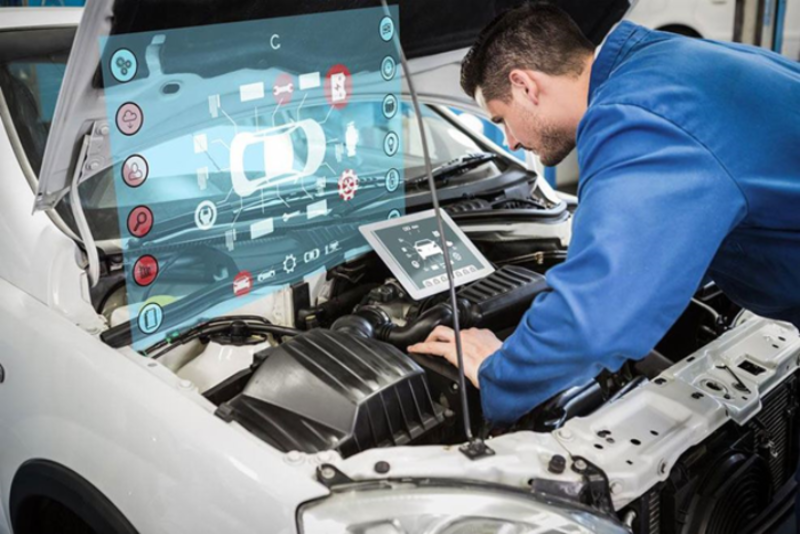
Today’s automobiles are no longer wheel-bound contraptions; they are sophisticated webs of sensors, computers, and communications. With all of this high-tech wizardry comes the challenge that old-school diagnostic techniques have begun to lag behind. Into this void steps the wireless vehicle diagnostic scanner, a tiny, clever tool revolutionising how car owners, mechanics, and fleet managers know car maintenance.
From Manual Checks to Smart Diagnostics
Previously, a car issue usually required a cumbersome trial-and-error process. Mechanics needed to sift through components manually or attach bulky wired scanners to be able to see limited information from the car’s onboard computers. Not only was the process slow, but it was open to human error.
With today’s wireless technology, everything is so different. With Wi-Fi or Bluetooth scanners, individuals can connect directly to a vehicle’s onboard diagnostics (OBD) system with their smartphone or tablet in mere seconds. Scanners read error codes, track live data, and offer real-time feedback, cable-free and hardware-free, professional-grade equipment.
Accessibility and Ease of Use
One of the most astounding features of a wireless vehicle diagnostic scanner is its availability. Something that was once in the hands of experts alone, diagnostic tools are now in the hands of regular people behind the wheel. A quick scan can detect problems with the engine, transmission, or even the emissions system before they run a small fortune to fix.
This intuitive design benefits automobile owners by making it easier for them to understand what’s going on with their vehicle. Most of them have intuitive apps that convert computer error codes into English-language messages, allowing users to decide whether to see a mechanic or repair simple issues themselves.
Time and Cost Efficiency
Wireless diagnostic scanners are time and money savers. Mechanics have the ability to do a quicker evaluation without testing each component individually, cutting down on service time. For the individual owner, finding potential problems ahead of time means saving costly repairs in the future.
Further, real-time monitoring enables preventive maintenance — pre-breakdown fault detection. This predictive maintenance is most valuable to fleet managers, who can see how the performance and planned maintenance of several vehicles at once, reducing downtime and operating expenses.
More Data and Real-Time Insights
In addition to standard fault detection, newer scanners provide users with detailed, real-time information on numerous vehicle parameters, such as fuel consumption, engine temperature, and battery voltage. Customers can use data to make informed decisions and identify trends so they can make more efficient maintenance choices.
With time, aggregated diagnostic data help develop a more precise picture of a vehicle’s performance history. Even resale is assisted by this, as consumers prefer vehicles with documented maintenance history.
Connectivity and Integration
The future of automobile maintenance is connectivity. As vehicles become more digital in their makeup, diagnostic tools are adapting in kind. Scanners, for example, are now wirelessly connected with cloud platforms so that users and technicians can store, share, and analyse diagnostic reports from a distance.
Firms such as Kinectd are investigating how networked diagnostics can accelerate predictive maintenance using data analytics. With several vehicles and their histories networked, such technology can forecast common faults across models or environments, enabling more intelligent, forward-looking maintenance than has yet been possible.
Sustainability and the Environment
Wireless diagnostics also help keep the world in its proper form: sustainable. By checking that engines and emissions systems are operating correctly, the scanners minimise fuel waste and reduce carbon footprints. Fault finding and repairing problems such as defective brake lights, defective oxygen sensors, or misfires can significantly cut down on fuel consumption, fitting well into the movement for cleaner driving habits.
A Glimpse Ahead
Wireless scanners in the future will increasingly become integrated with artificial intelligence and vehicle-to-cloud communication. Imagine a system not only being able to sense a problem but also replace it with a new part or schedule an appointment for the fix.
As cars get smarter, so will the tools that service them. The wireless vehicle diagnostic scanner is not just a technological advancement; it is the way forward for greater intelligence, speed, and environmental friendliness of car repair. It spells an era of web connectivity and smarts as the hallmark of the future of car repair.